Flooded Basement in Montgomery County, MD: What to Do in the First 24 Hours
What to do, step by step, when you find water in your basement, from staying safe to getting it dry before mold starts.
If your basement floods, stay out of the water if outlets or appliances are submerged, stop the source if you safely can, photograph everything, and call your insurer and a water mitigation company. The goal is to have the basement drying within 24 to 48 hours, because that is when mold can start to grow.
Basements are where water ends up. In Montgomery County, most flooded basement calls come from a handful of causes: a sump pump that fails during a storm, groundwater pushing through foundation walls after days of rain, a sewer or floor drain backup, a water heater that lets go, or a pipe that bursts in a cold snap. Whatever the cause, what you do in the first day decides how much of the basement can be saved.
Step 1: Make sure it’s safe
- Electricity first. If water is touching outlets, power strips, a furnace or the electrical panel, don’t walk into it. Turn the basement off at the breaker only if you can reach the panel without standing in water. If you can’t, call your electric utility or an electrician.
- Gas. If you smell gas, leave the house and call 911 or your gas company from outside.
- Sewage. If the water came up through a floor drain or toilet, or it smells like sewage, treat it as contaminated. Keep children and pets away, and don’t touch it without gloves and boots.
- Structure. Sagging ceilings or bulging drywall can hold a lot of water. Stay out from under them.
Step 2: Find out where the water is coming from
The source matters for safety, for how the cleanup is done and for your insurance claim.
- Sump pump failure. The pit is overflowing, the pump isn’t running, or the power went out. If it’s safe, check that the pump is plugged in and the float isn’t stuck.
- Groundwater or seepage. Water is coming through the base of the walls, cracks in the floor or the cove joint where wall meets floor, usually during or after heavy rain.
- Sewer or floor drain backup. Water is coming up through a floor drain, laundry tub or basement toilet. This is contaminated water.
- Plumbing or appliance leak. A burst pipe, failed water heater, washing machine hose or supply line. Shut off the main water valve to stop it.
- Window wells and doors. Water is pouring in through a basement window or walk-out door during a storm.
If the problem is a water main or meter outside your house, call your water utility. Most of Montgomery County is served by WSSC Water, while much of Rockville is served by the City of Rockville.
Step 3: Photograph everything before you move it
Before anything is moved or thrown away, take photos and video of the water, the source, the high-water marks on walls and every damaged item. Include serial numbers on appliances and close-ups of flooring and baseboards. Your insurer will ask for this, and it’s the easiest part of a claim to get wrong.
Step 4: Limit the damage
- Shut off the main water valve if the water is from plumbing.
- Move boxes, electronics, papers and furniture to a dry floor. Put foil or blocks under furniture legs that can’t be moved.
- Don’t use a household vacuum on water, and don’t run a furnace or HVAC system that is sitting in water.
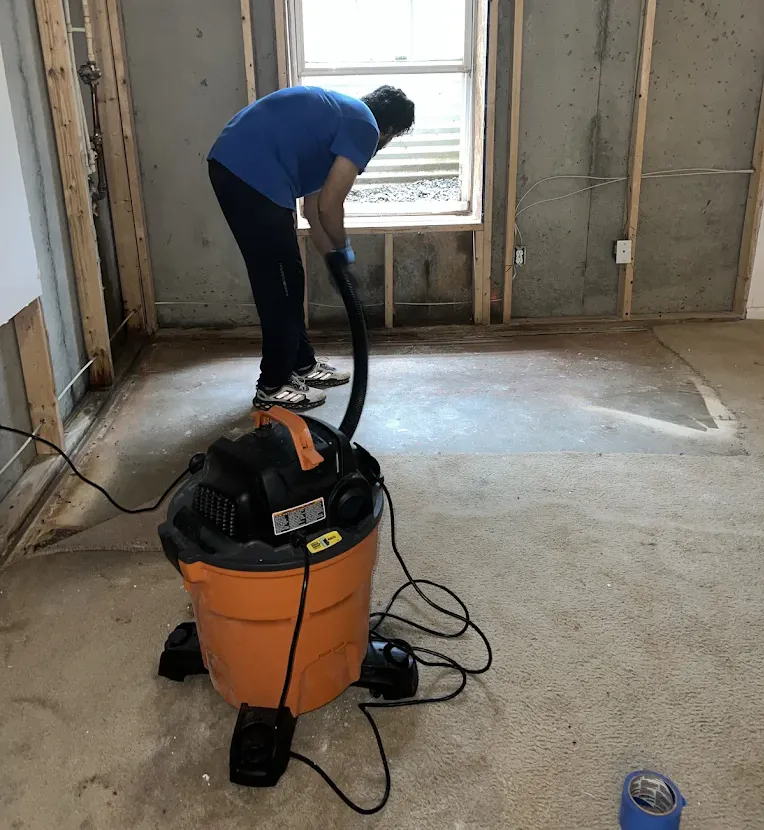
- Don’t start tearing out drywall or carpet before it has been photographed and assessed.
Step 5: Call your insurer and a water mitigation company
Most homeowners policies expect you to take reasonable steps to prevent further damage, and fast drying is the most important one. A mitigation company should:
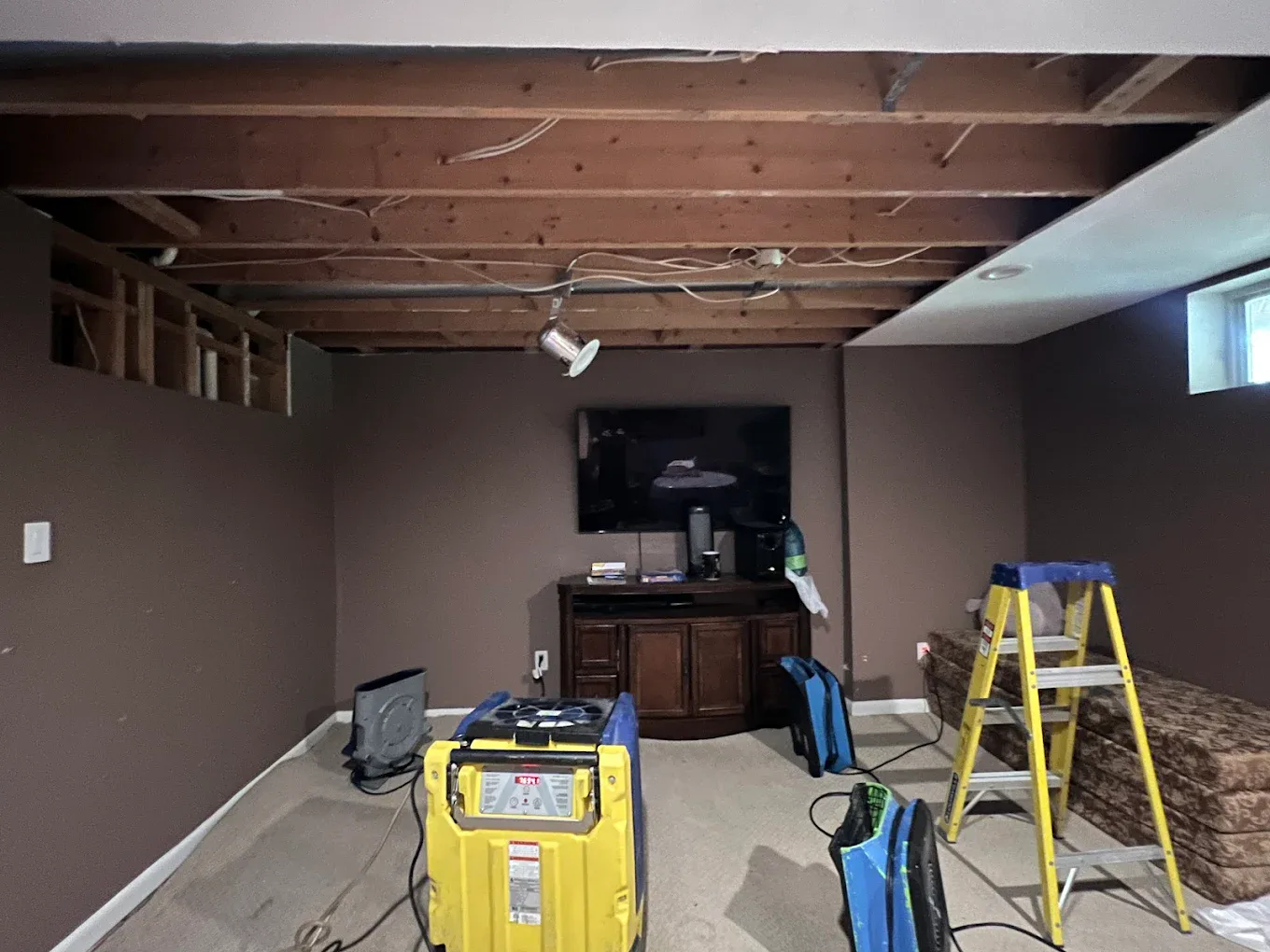
- Extract standing water with professional equipment.
- Find hidden moisture in walls, floors and under cabinets with moisture meters and infrared cameras.
- Remove materials that can’t be dried, like soaked carpet pad and the bottom of wet drywall (a “flood cut”), and anything touched by sewage.
- Set up air movers and dehumidifiers and take moisture readings every day until the basement is dry.
- Give you photos, readings and an itemized estimate for your insurer.
Why the first 24 to 48 hours matter
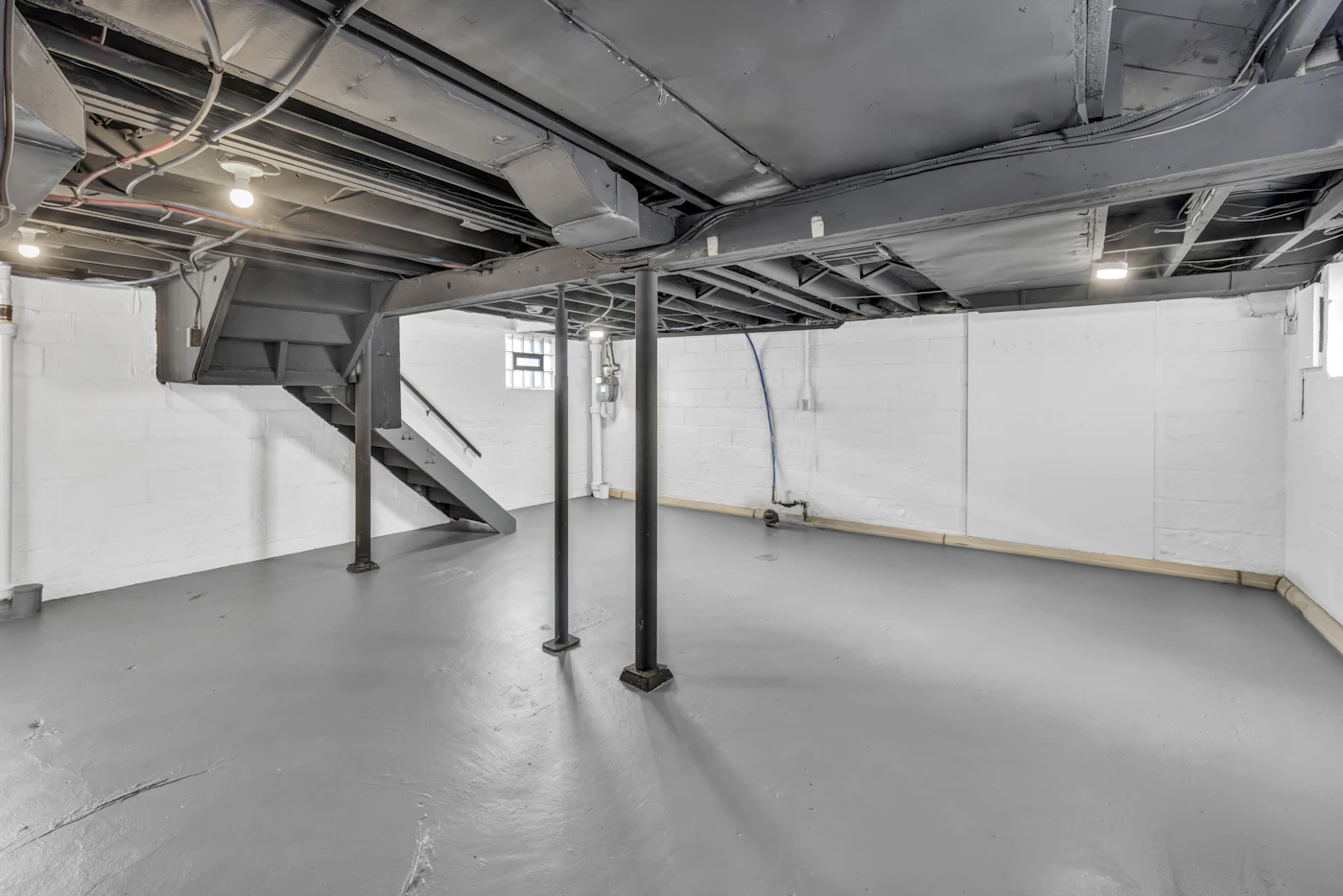
The EPA advises drying water-damaged materials within 24 to 48 hours to prevent mold growth. Basements are cool and humid to begin with, and drywall, carpet pad and wood framing soak up water quickly. Starting the drying early is often the difference between replacing a strip of drywall and gutting a finished basement.
Finished basements need extra care
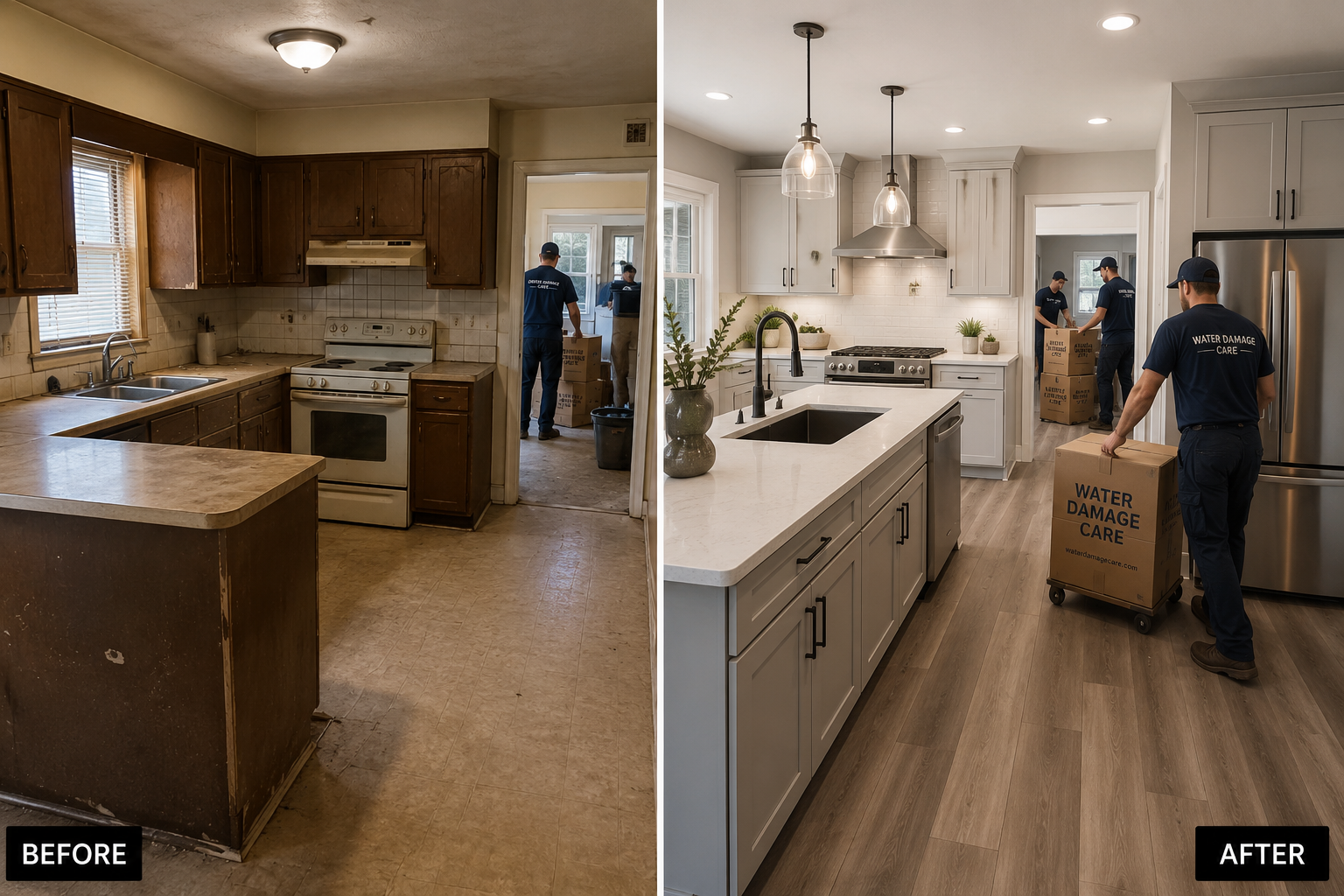
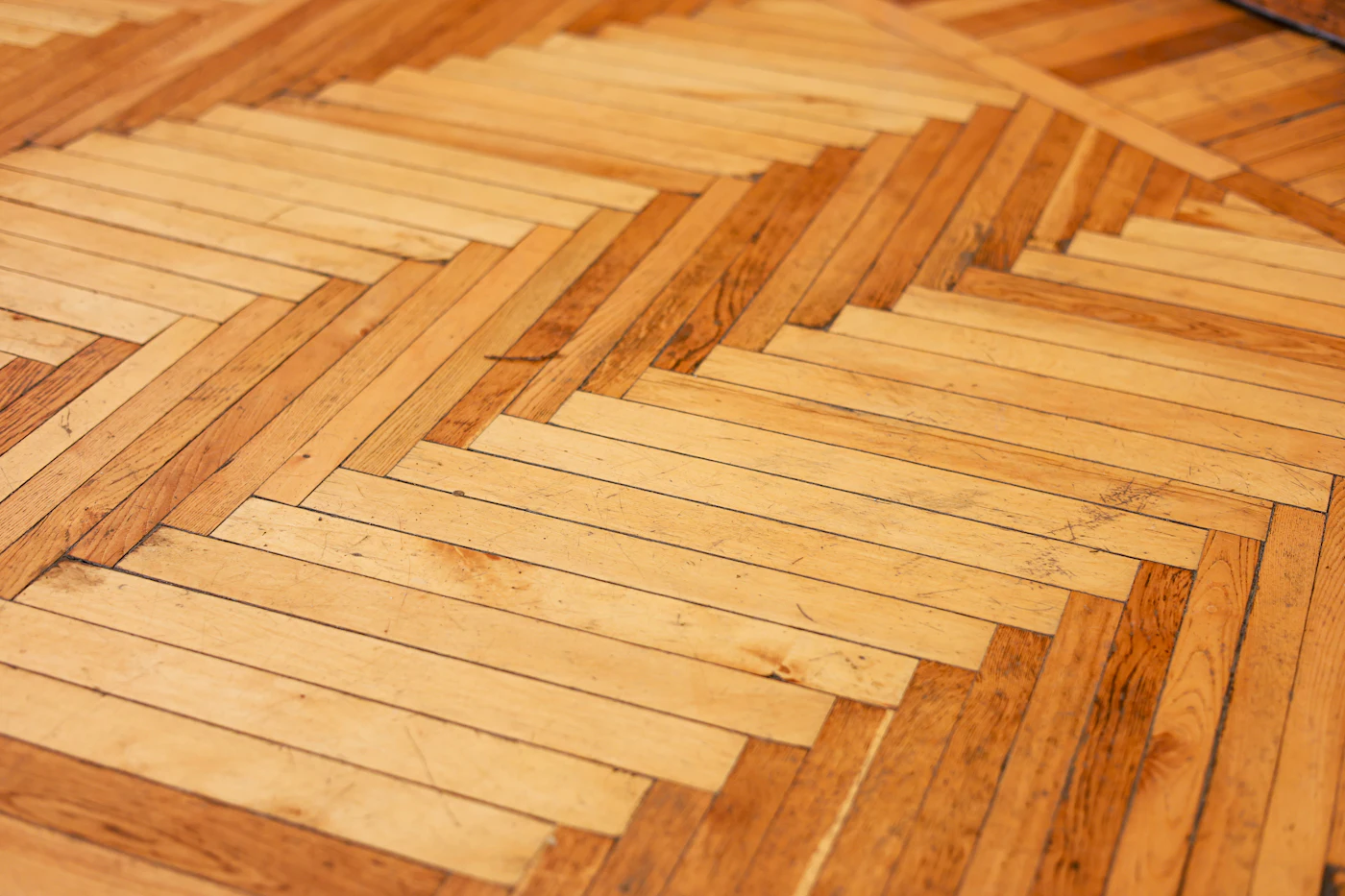
Many Montgomery County homes have finished lower levels with carpet, built-ins, bathrooms and wet bars. Water wicks up drywall and hides under laminate, vinyl plank and behind cabinets. Professional moisture mapping shows what can be dried in place and what has to come out, so you don’t pay to replace more than you need to. Once everything is dry, the space can be rebuilt. Read more about reconstruction after water damage.
How to lower the risk next time
- Add a battery backup to your sump pump, and test the pump before storm season.
- Keep gutters clear and extend downspouts several feet from the foundation.
- Install window well covers and keep the wells clear of leaves.
- Ask a plumber about a backwater valve if your basement has a floor drain or toilet.
- Put inexpensive water alarms near the sump pit, water heater and washer.
- Ask your insurance agent whether your policy includes water backup and sump overflow coverage.
Water Damage Care answers 24/7 across Montgomery County, Prince George’s, Howard and Frederick counties, Northern Virginia and Washington, DC. Call (240) 370-5440 and we give you an arrival time on the call.
Related: water damage mitigation, burst pipe water damage, what not to do after water damage.
Frequently asked questions
Does homeowners insurance cover a flooded basement?
It depends on where the water came from. Sudden plumbing failures, like a burst pipe or a failed water heater, are often covered. Groundwater seeping through the foundation and outside flooding usually are not, and sump pump or sewer backups usually need a separate endorsement. Read our guide on insurance and water damage in Maryland.
Can I dry my basement myself with fans?
Household fans move air but don’t remove moisture from the air, and they can’t dry the inside of walls, the carpet pad or the subfloor. For anything more than a small, clean spill caught right away, professional extraction, dehumidifiers and moisture readings are the safest way to avoid mold.
How long does it take to dry a flooded basement?
Most basements take three to five days once professional drying equipment is running. Concrete, block walls and finished basements with built-ins can take longer. The equipment should come out when moisture readings say the materials are dry, not on a fixed schedule.
Should I pull up wet carpet myself?
Carpet pad that has been soaked almost always has to be removed, but wait until you have photographed everything for your insurer. If the water came from a sewer or floor drain backup, don’t handle the carpet yourself, because it is contaminated.
Tell us what happened.
Book a free estimate online in about a minute. In an emergency, skip it and call.
- Tell us what happenedWater, rebuild, or both.
- Pick a timeEmergency now, today, or a day that suits you.
- We confirm by phoneYour request lands straight in our inbox.