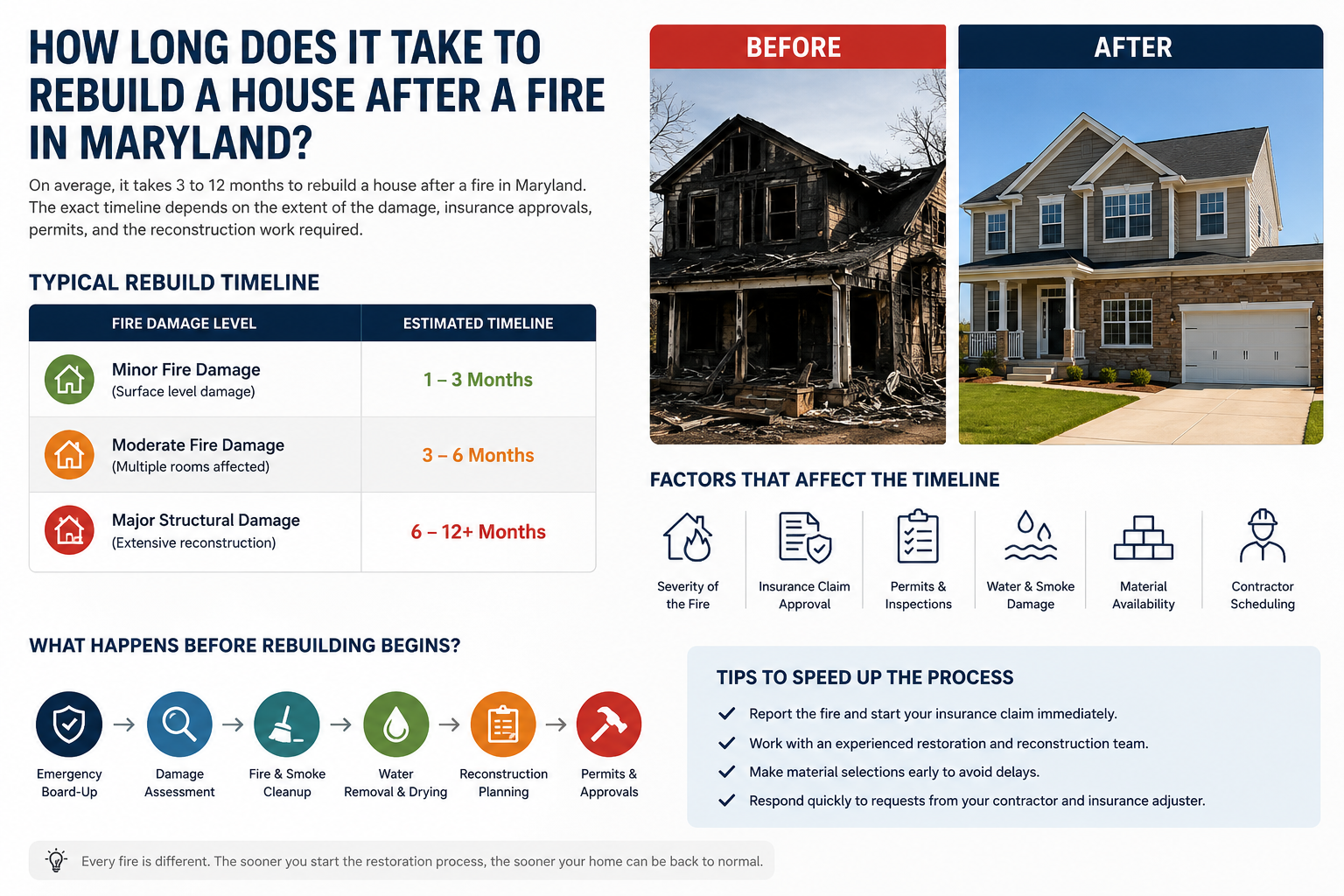
If you’re wondering how long does it take to rebuild a house after a fire in Maryland, the average timeline is 3 to 12 months. Smaller repairs may be completed within a few months, while homes with major structural damage often take longer. The exact schedule depends on the severity of the fire, insurance approvals, permits, and the reconstruction work required.
Fire Damage Restoration Timeline in Maryland
Rebuilding doesn’t begin immediately after the fire is extinguished. Before construction starts, the property must be inspected, cleaned, and made safe. Smoke, soot, and water damage also need to be addressed before repairs can move forward.
The table below provides a general timeline for different levels of fire damage.
| Fire Damage Level | Typical Rebuild Timeline |
|---|---|
| Minor fire damage | 1–3 months |
| Moderate fire damage | 3–6 months |
| Major structural damage | 6–12+ months |
What Affects the Rebuilding Timeline?
Several factors can shorten or extend the rebuilding process.
Severity of the Fire
Minor damage is usually repaired much faster than extensive structural damage. If the roof, framing, or foundation is affected, rebuilding will require additional time.
Insurance Claim Approval
Insurance companies typically inspect the property before approving major repairs. Delays in the claims process can postpone reconstruction even after cleanup has been completed.
Permits and Inspections
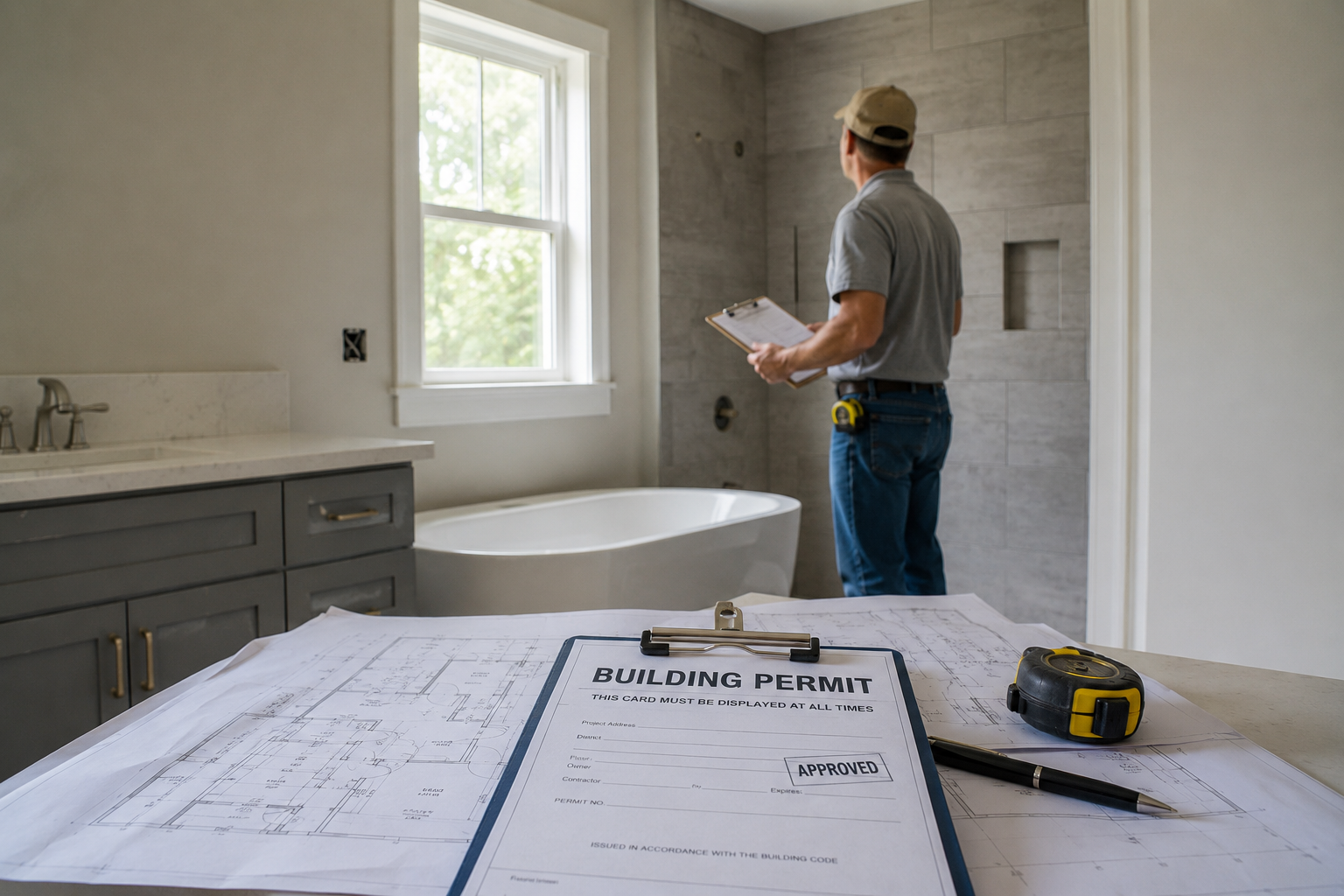
Most reconstruction projects require permits for structural, plumbing, or electrical work. Construction can only move forward once the necessary approvals are received.
Smoke, Soot, and Water Damage
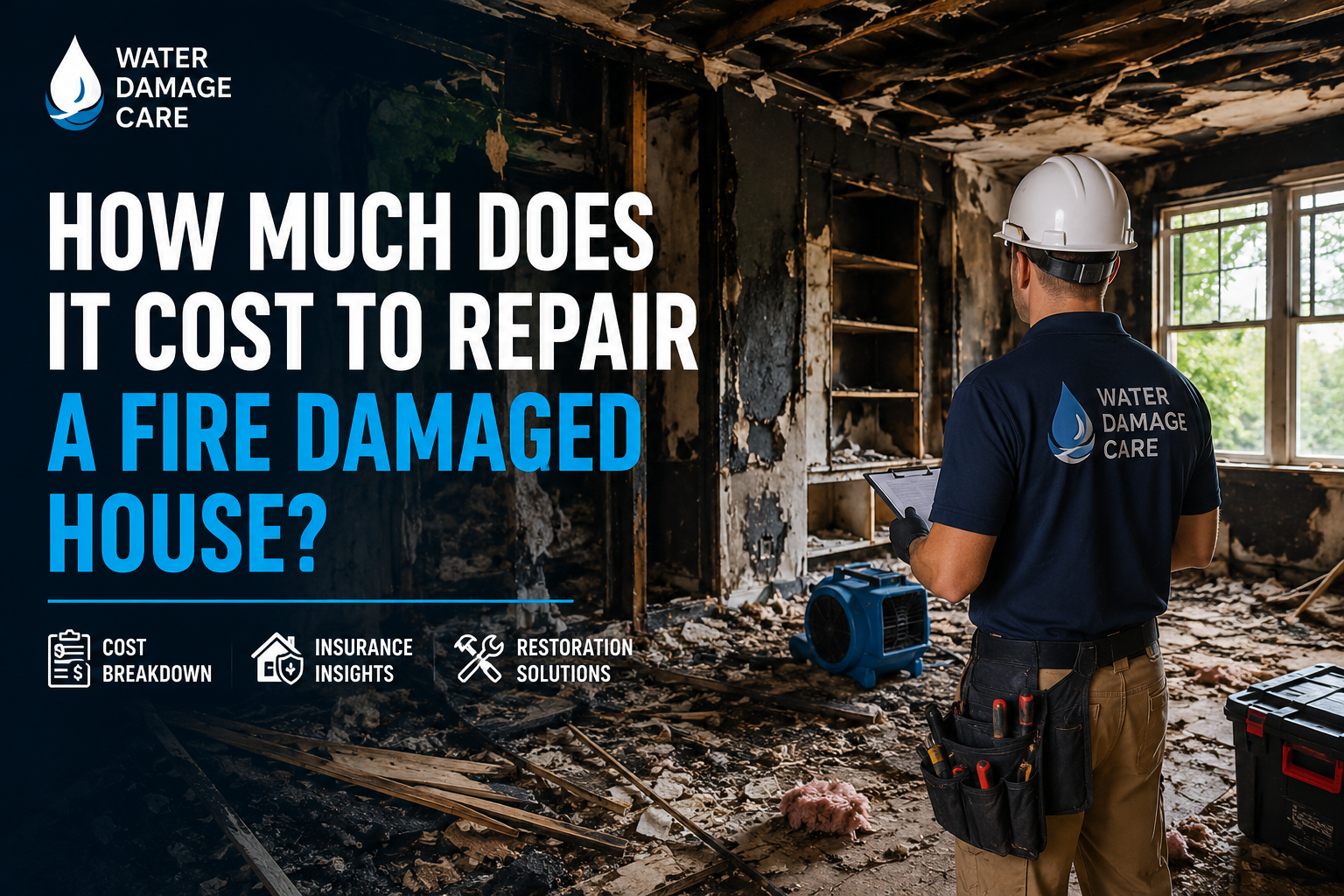
A house fire often leaves behind more than burned materials. Smoke residue, soot, and water from firefighting efforts must be professionally removed before rebuilding begins. Many homeowners need Fire Damage Restoration and Water Damage Restoration before reconstruction can safely start.
Material Availability
The availability of building materials can influence the timeline. Custom cabinets, flooring, windows, or specialty products may take weeks to arrive, especially during periods of high demand.
Contractor Scheduling
Choosing an experienced restoration contractor early can help prevent unnecessary delays. A company that handles cleanup and reconstruction together can often keep the project moving more efficiently.
What Happens Before Reconstruction Begins?
The rebuilding process starts with securing the property and assessing the full extent of the damage. Contractors inspect the structure to determine what can be repaired and what needs to be replaced.
Emergency Property Protection
Openings in the roof, windows, or doors are secured to protect the home from weather, theft, and additional damage while restoration plans are being prepared.
Fire Damage Cleanup
Smoke, soot, debris, and damaged materials are removed before reconstruction begins. Thorough cleaning helps create a safe environment for rebuilding and prevents lingering odors.
Water Damage Drying
Water used to extinguish the fire can remain trapped inside walls, flooring, and insulation. Drying the structure before reconstruction helps reduce the risk of mold growth and future structural problems.
Planning the Reconstruction
Once cleanup is complete, contractors prepare repair plans, obtain permits, and schedule inspections. Completing these steps before construction begins helps keep the rebuilding process organized and reduces unexpected delays.
Can You Stay in Your Home During the Rebuild?
Whether you can remain in your home depends on the extent of the fire damage. Minor damage may allow you to stay in unaffected areas, but most moderate to severe fires require homeowners to move out until the property is safe.
Minor Fire Damage
If the fire is limited to one room and utilities remain functional, your contractor may be able to isolate the work area while you continue living in the home.
Major Fire Damage
If structural components, electrical systems, plumbing, or HVAC equipment are damaged, the home is usually considered unsafe until repairs are completed and inspections are passed.
How to Speed Up the Rebuilding Process
Although some delays are unavoidable, careful planning can help keep your project on schedule.
Start the Insurance Claim Immediately
Report the fire as soon as possible and provide any requested documentation. Starting the claim early allows inspections and approvals to begin sooner.
Choose an Experienced Restoration Contractor
Working with a contractor who provides Fire Damage Restoration and reconstruction services can simplify the process. A single team can coordinate cleanup, repairs, permits, and rebuilding more efficiently.
Make Material Selections Early
Selecting flooring, cabinets, fixtures, paint colors, and other finishes before construction begins helps avoid delays caused by backordered products or last-minute decisions.
Respond Quickly to Requests
Promptly reviewing estimates, approving changes, and signing required documents can help prevent unnecessary interruptions throughout the project.
Why Professional Fire Damage Restoration Matters
Fire damage often extends beyond what is visible. Heat, smoke, soot, and water can weaken structural materials and affect hidden areas of the home.
Hidden Damage Detection
Professional inspections help identify damaged framing, insulation, wiring, and other components that may not be visible during the initial assessment.
Smoke and Odor Removal
Specialized cleaning methods remove smoke residue and lingering odors from walls, ceilings, flooring, and HVAC systems before reconstruction begins.
Water Damage Prevention
Water used to extinguish the fire can lead to mold and additional structural damage if it isn’t removed properly. Combining Water Damage Restoration with fire restoration helps create a safe, dry environment for rebuilding.
conclusion
The answer to how long does it take to rebuild a house after a fire in Maryland depends on the damage, insurance process, permit approvals, and the scope of reconstruction. While some homes can be repaired within a few months, larger rebuilding projects often take six months or longer.
Starting the restoration process quickly and working with experienced professionals can reduce delays and help your home return to a safe, comfortable condition as efficiently as possible.
FAQs
How soon should rebuilding begin after a house fire?
Rebuilding should begin after the property is cleaned, inspected, and deemed safe, with insurance approval and required permits in place.
Does homeowners insurance cover rebuilding after a fire?
Most homeowners insurance policies cover fire damage reconstruction, but coverage depends on your policy and the cause of the fire.
Can smoke and water damage delay rebuilding?
Yes. Smoke, soot, and water damage must be professionally cleaned and dried before reconstruction can safely begin.
What is the first step after a house fire?
The first step is securing the property, contacting your insurance company, and scheduling a professional fire damage assessment.
Can a house be rebuilt if it has severe fire damage?
Yes. Even homes with significant structural damage can often be rebuilt, although the timeline is usually longer.