Author: Aleena Feroz Khan

  • How to Get Smoke Smell Out of House Professionally | Complete Guide

    How to Get Smoke Smell Out of House Professionally | Complete Guide

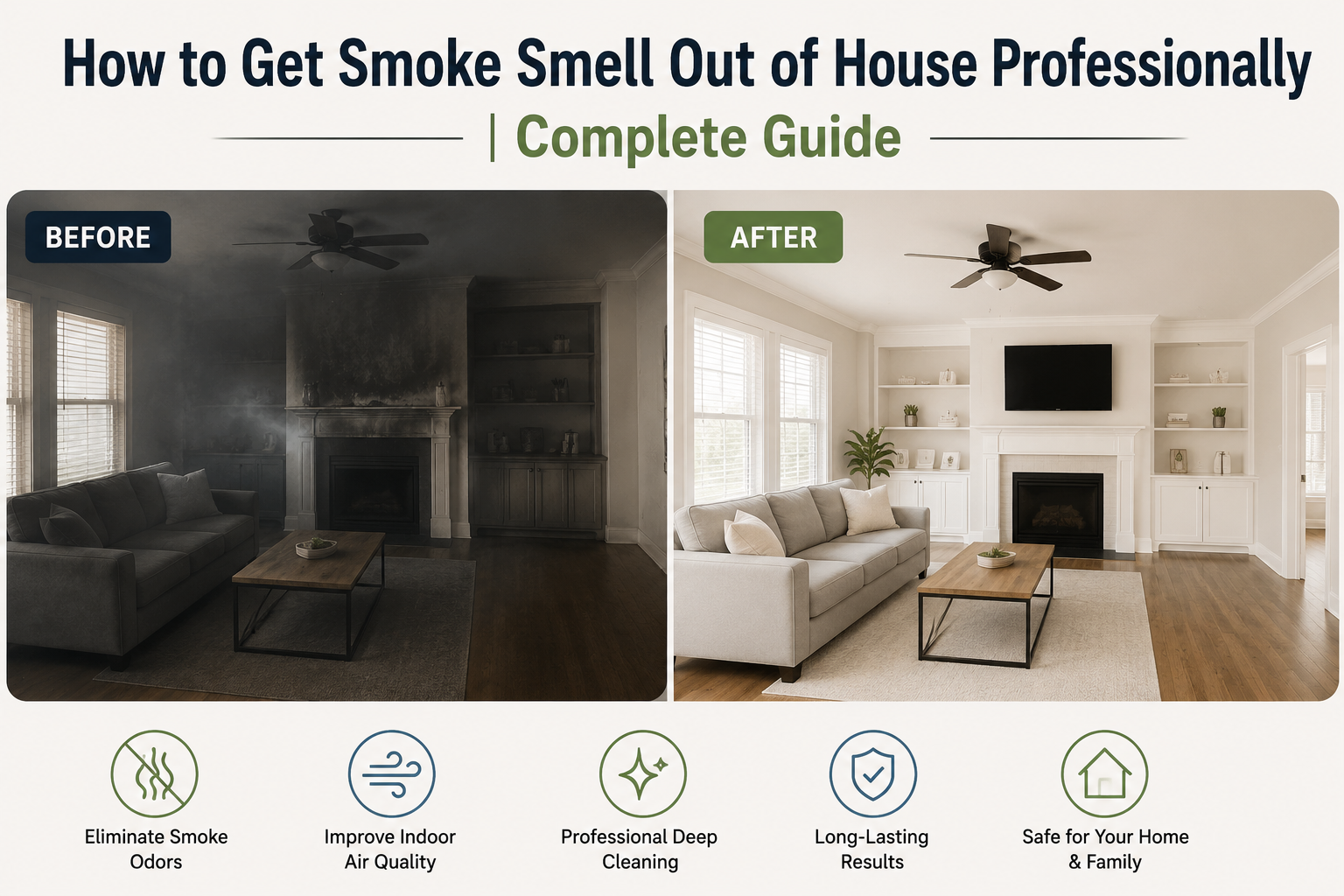
    How to get smoke smell out of house professionally involves much more than simply masking unpleasant odors. Professional restoration specialists remove soot and smoke residue, deep-clean affected materials, treat HVAC systems, use advanced air filtration equipment, and apply specialized deodorization methods such as thermal fogging and hydroxyl treatments. These proven techniques target odor-causing particles at their source, helping restore indoor air quality and permanently eliminate lingering smoke smells from the home.

    Professionals remove smoke smell by locating contamination sources, cleaning soot and smoke residue, treating affected materials, and using advanced deodorization methods such as thermal fogging, ozone treatment, hydroxyl generators, and HEPA air filtration. These techniques eliminate odor particles rather than simply masking unpleasant smells.

    How to Get Smoke Smell Out of House Professionally

    Smoke odors can linger long after a fire, cooking accident, or prolonged exposure to cigarette smoke. While household cleaners may temporarily reduce the smell, professional smoke odor removal focuses on eliminating the source of the odor rather than masking it. Restoration professionals use specialized cleaning methods, air filtration equipment, and deodorization treatments to remove smoke particles trapped in surfaces and indoor air.

    The professional process typically begins with removing smoke residue from affected areas, followed by deep cleaning, HVAC system treatment, air purification, and advanced deodorization techniques. Together, these steps help restore indoor air quality and remove persistent smoke odors from the home.

    Step 1: Remove Soot and Smoke Residue

    One of the most important steps in professional smoke odor removal is eliminating soot and smoke residue. Even when a home looks clean, microscopic smoke particles can remain on surfaces and continue releasing unpleasant odors.

    Professionals clean affected areas using specialized products designed to break down smoke contamination without spreading residue further. Every affected surface is carefully evaluated and cleaned to prevent lingering odors.

    Common areas that require cleaning include:

    • Walls and ceilings
    • Hardwood and tile floors
    • Cabinets and countertops
    • Doors and trim
    • Furniture surfaces
    • Light fixtures and vents

    In homes affected by significant smoke damage, professional Soot and Smoke Removal helps eliminate residue that ordinary cleaning methods often leave behind.

    Step 2: Deep Clean Smoke-Affected Materials

    Smoke odors frequently penetrate porous materials that absorb particles and odors over time. Simply wiping down visible surfaces may not remove contamination trapped within fabrics and soft materials.

    Professional restoration teams use specialized cleaning techniques to treat items that have absorbed smoke odors. The cleaning approach depends on the material, the severity of contamination, and the type of smoke involved.

    Carpets and Rugs

    Carpet fibers can trap smoke particles deep below the surface. Professional extraction and deep-cleaning methods help remove contaminants that standard vacuuming cannot reach.

    In severe cases, technicians may evaluate whether cleaning is sufficient or if replacement is the better option.

    Upholstery and Furniture

    Fabric furniture often absorbs smoke odors quickly. Professional cleaning methods target embedded particles while protecting delicate materials from damage.

    This process can help restore sofas, chairs, mattresses, and other upholstered items affected by smoke exposure.

    Curtains and Fabrics

    Curtains, drapes, bedding, and clothing can hold smoke odors even after multiple washes. Restoration professionals use specialized cleaning methods to remove stubborn odors from fabric materials.

    Personal Belongings

    Smoke contamination can affect books, photographs, electronics, and household items. Professionals assess which belongings can be restored and use appropriate cleaning techniques to reduce odor transfer throughout the home.

    Step 3: Clean the HVAC System

    Many homeowners are surprised to learn that smoke odors can continue circulating through the heating and cooling system long after visible damage has been cleaned.

    Smoke particles can settle inside:

    • Air ducts
    • Vent openings
    • Air handlers
    • HVAC components
    • Air filters

    When the system runs, trapped particles may be redistributed throughout the home, causing odors to return repeatedly.

    Professional HVAC cleaning helps remove contamination from the system and improves overall indoor air quality. Replacing filters and cleaning accessible components are often necessary parts of the smoke odor removal process.

    Step 4: Use Professional Air Filtration Equipment

    After cleaning visible contamination, restoration professionals focus on removing smoke particles that remain suspended in the air.

    Unlike standard household air purifiers, commercial-grade equipment is designed to capture extremely small airborne contaminants and improve indoor air quality more quickly.

    HEPA Air Scrubbers

    HEPA air scrubbers continuously filter indoor air and capture fine smoke particles. These machines are commonly used during restoration projects to reduce airborne contamination.

    Activated Carbon Filters

    Activated carbon filters help absorb odor-causing compounds that traditional filters may not remove. They are especially effective for reducing persistent smoke-related odors.

    Negative Air Machines

    Negative air machines create controlled airflow that helps isolate contaminants and prevent smoke particles from spreading to unaffected areas of the home.

    By combining filtration and airflow management, professionals can significantly reduce airborne smoke contamination before moving on to advanced deodorization treatments.

    Step 5: Apply Professional Deodorization Treatments

    Once smoke residue has been removed and the air has been filtered, professionals use specialized deodorization methods to neutralize remaining odor molecules.

    Unlike air fresheners or odor-masking products, these treatments target the source of the smell.

    Thermal Fogging

    Thermal fogging produces a fine mist that penetrates areas where smoke particles have settled. The deodorizing fog reaches cracks, crevices, and porous materials that are difficult to clean manually.

    Ozone Treatment

    Ozone generators are sometimes used to break down odor-causing molecules. This treatment is typically performed in unoccupied spaces under controlled conditions.

    Hydroxyl Generators

    Hydroxyl technology is another professional option for odor neutralization. These systems help reduce odors while restoration work is ongoing and are commonly used in residential environments.

    Professional Odor Control and Deodorization services often combine multiple techniques to achieve the best results depending on the severity of smoke contamination.

    Step 6: Clean Structural Materials When Necessary

    In cases involving significant smoke exposure, odor particles can penetrate deeper into building materials.

    Professionals may need to clean:

    • Drywall surfaces
    • Wood framing
    • Subfloors
    • Attic materials
    • Structural components

    If contamination has spread beyond surface-level areas, more extensive Structural Cleaning may be required to fully eliminate persistent smoke odors.

    Addressing hidden contamination helps prevent odors from returning weeks or months after cleanup appears complete.

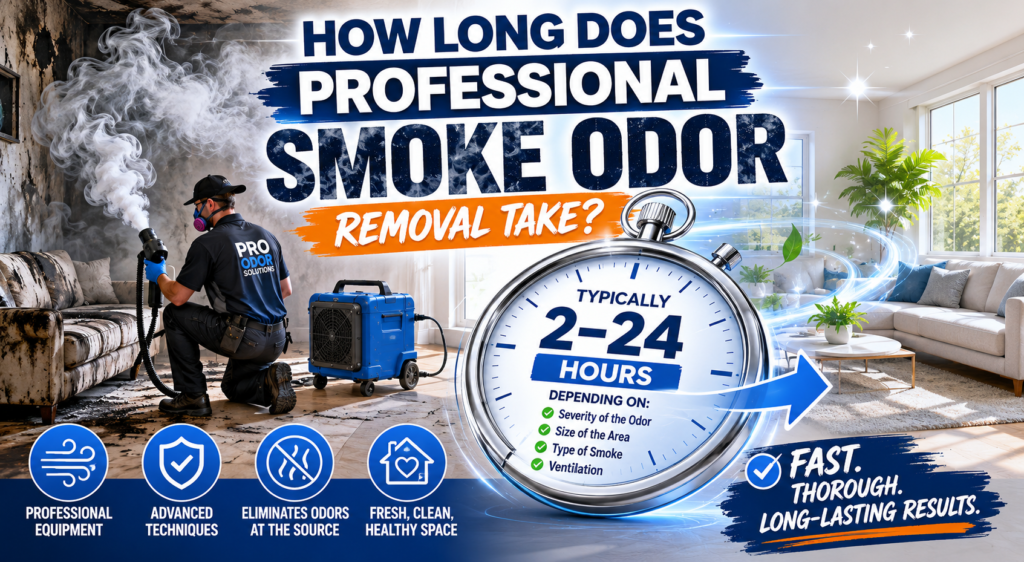
    How Long Does Professional Smoke Odor Removal Take?

    how to get smoke smell out of house professionally

    The time required to remove smoke odors depends on the size of the property, the source of the smoke, and how deeply the contamination has spread. A small area affected by light smoke exposure can often be treated relatively quickly, while severe fire-related damage may require a more extensive restoration process.

    Several factors influence the timeline, including:

    • The size of the home
    • The type of smoke involved
    • The amount of soot residue present
    • Whether the HVAC system is contaminated
    • The number of affected materials and belongings
    • The deodorization methods being used

    Light smoke odors may be addressed within a few days, while larger restoration projects can take significantly longer. Homes with extensive contamination often require multiple cleaning and deodorization stages to achieve the best results.

    The goal is not simply to reduce odors temporarily but to eliminate the source of the smell as thoroughly as possible.

    Can Smoke Smell Be Removed Permanently?

    In many cases, professional smoke odor removal can permanently eliminate unwanted smells. Success depends on whether all smoke residue and odor-causing particles are properly removed from the home.

    When smoke particles remain trapped inside building materials, furniture, insulation, or HVAC systems, odors may return over time. This is why professional restoration focuses on cleaning, filtration, and deodorization rather than covering odors with fragrances.

    Permanent odor removal is most successful when:

    • Soot residue is completely removed
    • Smoke-damaged materials are properly cleaned
    • Air filtration equipment is used
    • HVAC contamination is addressed
    • Appropriate deodorization methods are applied

    In some situations, heavily contaminated materials may need to be replaced if cleaning cannot fully eliminate the odor.

    DIY vs. Professional Smoke Odor Removal

    Many homeowners initially attempt to remove smoke odors using household cleaners, air fresheners, baking soda, or vinegar solutions. While these methods may help reduce mild odors, they often do not address smoke particles hidden within materials and ventilation systems.

    The difference between DIY cleaning and professional restoration becomes more noticeable when dealing with persistent smoke odors.

    DIY Smoke RemovalProfessional Smoke Odor Removal
    Focuses on visible surfacesTargets visible and hidden contamination
    Uses household productsUses commercial-grade equipment
    May temporarily reduce odorsAims for long-term odor elimination
    Limited access to affected areasReaches structural and HVAC components
    Often requires repeated treatmentsDesigned to address the source directly

    DIY methods can be useful for minor smoke exposure, but severe odors often require specialized restoration techniques to achieve lasting results.

    When Should You Call a Professional?

    While some smoke odors can be reduced through routine cleaning, there are situations where professional assistance is the most effective solution.

    Consider contacting a restoration professional if:

    • Smoke odors remain after repeated cleaning
    • A recent fire affected the property
    • Smoke smells are coming from walls or ceilings
    • The HVAC system is spreading odors throughout the home
    • Soot residue is visible on surfaces
    • Indoor air quality has noticeably declined

    Professional intervention is especially important after fire-related incidents, where hidden contamination may continue affecting the property long after visible smoke has cleared.

    In these situations, comprehensive Fire and Smoke Damage Mitigation can help address both visible damage and lingering odor issues before they become more difficult to remove.

    If the fire resulted in damaged materials throughout the property, Debris Removal may also be necessary as part of the restoration process.

    Common Mistakes That Allow Smoke Odors to Return

    Even after cleaning, certain mistakes can cause smoke smells to linger or reappear.

    Some of the most common issues include:

    • Cleaning only visible surfaces
    • Ignoring air ducts and HVAC components
    • Skipping deodorization treatments
    • Using products that mask odors instead of neutralizing them
    • Failing to remove soot residue completely
    • Overlooking smoke contamination in fabrics and upholstery

    Because smoke particles can travel throughout a home, missing even a few contaminated areas may allow odors to persist.

    A thorough restoration process addresses all affected surfaces and materials, reducing the likelihood of recurring odor problems.

    conclusion

    If you’re wondering how to get smoke smell out of a house professionally, the process involves much more than simply covering up unpleasant odors. Restoration professionals remove soot and smoke residue, deep-clean affected materials, treat HVAC systems, filter contaminated air, and apply advanced deodorization techniques designed to eliminate odor particles at their source.

    While the exact approach varies depending on the severity of the damage, professional smoke odor removal offers the most reliable path to restoring indoor air quality and creating a cleaner, fresher living environment. Acting quickly after smoke exposure can also help prevent contamination from spreading further into building materials and household belongings.

    FAQs

    Can smoke smell be removed completely from a house?

    Yes, professional smoke odor removal can eliminate smoke smells when all affected surfaces, materials, and air systems are properly treated.

    What do professionals use to remove smoke odors?

    Professionals use HEPA air scrubbers, activated carbon filters, thermal fogging, ozone treatments, and hydroxyl generators to neutralize smoke odors.

    How long does it take to remove smoke smell from a house?

    The timeline varies based on the severity of contamination, but most projects take anywhere from a few days to several weeks.

    Does smoke odor stay in walls?

    Yes, smoke particles can penetrate drywall, insulation, and other porous materials, causing odors to linger if not professionally cleaned.

    Is ozone treatment safe for smoke odor removal?

    Ozone treatment can be effective but must be performed in unoccupied spaces by trained professionals following safety guidelines.

    Why does smoke smell come back after cleaning?

    Odors often return when hidden smoke residue remains in walls, fabrics, HVAC systems, or other hard-to-reach areas.

    Should I hire a professional after smoke damage?

    Professional restoration is recommended when odors persist, soot is present, or smoke contamination affects multiple areas of the home.

    References

  • How to Detect Water Damage in Walls: Warning Signs, Inspection Methods, and What to Do Next

    How to Detect Water Damage in Walls: Warning Signs, Inspection Methods, and What to Do Next

    How to detect water damage in walls starts with recognizing both visible and hidden warning signs of moisture intrusion. Common indicators include water stains, peeling paint, warped drywall, mold growth, musty odors, increased humidity, and unexplained water usage. Homeowners can inspect walls visually, perform simple touch tests, and use tools such as moisture meters or infrared cameras to identify hidden moisture. Detecting water damage early helps prevent mold growth, structural deterioration, and costly repairs while protecting the long-term condition of the property.

    Water damage in walls can often be detected by looking for discoloration, peeling paint, soft drywall, mold growth, musty odors, and warped surfaces. Homeowners can also use moisture meters or infrared cameras to identify hidden moisture behind walls before it leads to more extensive structural damage.

    Why Water Damage Inside Walls Is Often Difficult to Notice

    Unlike water pooling on a floor, moisture inside walls is usually concealed behind drywall, insulation, paint, and wall coverings. As a result, water can spread through building materials without being immediately visible.

    In many cases, the leak source may be several feet away from where the damage eventually appears. Water often follows gravity, framing members, or hidden pathways before becoming noticeable on a wall surface.

    Routine inspections can help homeowners catch early warning signs before moisture leads to mold, wood deterioration, or expensive repairs.

    Common Sources of Wall Moisture

    Several issues can introduce unwanted moisture into walls:

    • Leaking supply or drain pipes
    • Roof leaks that travel into wall cavities
    • Poorly sealed windows and doors
    • HVAC condensation problems
    • Appliance leaks from washing machines or water heaters
    • Basement moisture migrating upward through walls

    When moisture originates from a concealed plumbing issue, a professional hidden leak inspection may help identify the source before further damage occurs.

    Visible Signs of Water Damage in Walls

    Many of the earliest indicators of water damage can be seen during a simple visual inspection. Changes in color, texture, or shape often signal that moisture is affecting the wall material beneath the surface.

    Discoloration and Water Stains

    Water stains are among the most recognizable signs of moisture damage. They often appear as yellow, brown, or dark patches that gradually expand over time.

    These stains may develop near ceilings, windows, plumbing fixtures, or areas where water is entering the structure. Even a small stain can indicate a larger hidden moisture problem behind the wall.

    Look for:

    • Yellow or brown rings
    • Dark streaks
    • Irregular patchy discoloration
    • Expanding stain patterns

    Bubbling, Peeling, or Cracking Paint

    When moisture becomes trapped behind painted surfaces, it can weaken the bond between the paint and the wall.

    As water accumulates, paint may begin to bubble, blister, peel, or crack. Wallpaper may also loosen or separate from the wall surface.

    These cosmetic changes often indicate that moisture has been present long enough to affect the wall finish.

    Common warning signs include:

    • Paint bubbles
    • Flaking paint
    • Cracked paint surfaces
    • Loose wallpaper seams

    Warped Drywall and Soft Wall Surfaces

    Drywall is highly absorbent and can become distorted when exposed to excessive moisture.

    As water penetrates the material, walls may begin to bulge, swell, sag, or feel soft when lightly pressed. In severe situations, sections of drywall may crumble or lose structural strength.

    Pay attention to:

    • Uneven wall surfaces
    • Bulging sections
    • Soft spots
    • Sagging drywall

    These changes often suggest moisture has been present for an extended period.

    Mold and Mildew Growth

    Mold and mildew thrive in damp, poorly ventilated environments. Since wall cavities can remain moist for long periods, they often provide ideal conditions for fungal growth.

    Visible mold may appear as black, green, gray, or white spots on painted surfaces, drywall, baseboards, or around trim.

    Beyond property damage, mold can affect indoor air quality and may contribute to respiratory irritation for some occupants.

    Potential indicators include:

    • Dark spots on walls
    • Fuzzy surface growth
    • Discoloration around trim
    • Persistent moisture-related odors

    Hidden Signs That May Indicate Moisture Behind Walls

    Not all water damage produces obvious visual symptoms. In many cases, homeowners notice subtle environmental changes before any visible damage appears.

    Recognizing these hidden warning signs can help identify problems earlier.

    Musty Odors

    A persistent musty smell is often one of the first signs of hidden moisture.

    When water becomes trapped inside walls, mold and mildew can begin developing even before visible growth appears. These microorganisms release odors that create a damp, earthy smell throughout the affected area.

    If a room consistently smells musty despite regular cleaning, hidden wall moisture may be present.

    Increased Indoor Humidity

    Unexpected humidity levels can sometimes indicate moisture accumulation inside walls.

    A leaking pipe or slow water intrusion may continuously release moisture into the surrounding air. Over time, this can make certain rooms feel damp or uncomfortable.

    Signs may include:

    • Condensation on windows
    • Damp indoor air
    • Increased humidity readings
    • Persistent moisture in specific rooms

    Monitoring indoor moisture levels can help determine whether hidden water issues may be contributing to elevated humidity.

    Unexplained Utility Bill Increases

    A hidden plumbing leak behind a wall can waste a surprising amount of water over time.

    If water usage suddenly increases without a clear explanation, it may be worth investigating for concealed leaks. Small leaks often remain unnoticed until they create visible wall damage or significantly impact water consumption.

    Reviewing monthly utility bills can sometimes reveal problems before physical damage becomes extensive.

    Temperature Differences on Wall Surfaces

    Walls affected by moisture may feel cooler than surrounding areas.

    Water changes how building materials retain and transfer heat, creating temperature differences that can sometimes be detected by touch. Damp sections may feel noticeably colder, especially during seasonal temperature changes.

    Professionals often use infrared imaging technology to identify these hidden temperature variations and locate moisture pockets concealed behind drywall.

    Visible vs Hidden Signs of Water Damage

    Visible SignsHidden Signs
    Water stainsMusty odors
    Peeling or bubbling paintIncreased humidity
    Mold growth on surfacesHidden plumbing leaks
    Warped drywallCool wall sections
    Surface discolorationMoisture trapped behind insulation

    Understanding both visible and hidden warning signs can help homeowners identify water damage before it spreads. The earlier moisture problems are discovered, the easier it is to prevent mold growth, structural deterioration, and more extensive repairs.

    How to Inspect Walls for Water Damage and What to Do Next

    what does a water mitigation company do

    Once you recognize potential warning signs, the next step is determining whether moisture is actually present inside the wall. While some cases require professional equipment, homeowners can perform several basic inspections to identify possible water damage before it worsens.

    Simple Ways to Check Walls for Water Damage

    A thorough inspection often begins with a combination of visual observations and simple hands-on checks. These methods can help reveal whether a wall may be affected by hidden moisture.

    Perform a Visual Inspection

    Start by examining walls in areas most vulnerable to water exposure, such as bathrooms, kitchens, laundry rooms, basements, and rooms beneath the roof.

    Look carefully at corners, ceilings, baseboards, and areas around windows and plumbing fixtures.

    Watch for:

    • Water stains
    • Paint discoloration
    • Mold growth
    • Surface bubbling
    • Warped drywall
    • Damaged trim

    Even minor cosmetic changes can indicate a larger hidden moisture issue.

    Use the Touch Test

    In addition to visual inspection, gently touch suspicious areas.

    Walls affected by moisture often feel different from dry surfaces. Softness, dampness, or slight movement beneath pressure may suggest water intrusion behind the drywall.

    Pay attention to:

    • Soft spots
    • Damp surfaces
    • Spongy drywall
    • Uneven textures

    If a wall feels unusually soft, further moisture testing may be necessary.

    Listen for Hidden Plumbing Leaks

    Some leaks can be detected through sound before visible damage develops.

    In a quiet room, listen for:

    • Dripping sounds
    • Running water
    • Hissing noises
    • Water movement inside walls

    These sounds may indicate a concealed plumbing issue that requires further investigation.

    Tools That Help Detect Hidden Moisture

    While visual inspections are useful, specialized tools can provide a more accurate assessment of moisture levels inside walls.

    Moisture Meters

    A moisture meter is one of the most effective tools for detecting hidden water damage.

    The device measures moisture content within building materials, helping determine whether drywall, wood, or other surfaces contain excess water.

    Benefits include:

    • Non-invasive testing
    • Fast moisture readings
    • Early leak detection
    • Verification of drying progress

    Tracking wall moisture levels over time can help confirm whether a problem is improving or becoming worse.

    Infrared Cameras

    Infrared cameras detect temperature differences across wall surfaces.

    Since moisture affects heat transfer, damp areas often appear cooler than surrounding materials. Thermal imaging can reveal hidden moisture pockets that may not yet show visible damage.

    Infrared inspections are especially useful for:

    • Locating concealed leaks
    • Identifying moisture migration
    • Assessing larger wall areas quickly

    Hygrometers

    A hygrometer measures indoor humidity levels.

    Although it cannot directly locate moisture inside a wall, it can help identify rooms where excessive humidity may indicate a hidden water problem.

    Consistently high humidity readings may suggest:

    • Ongoing leaks
    • Condensation issues
    • Poor ventilation
    • Moisture trapped within building materials

    How to Tell Whether the Damage Is Active or Old

    One of the most common questions homeowners ask is whether water damage is still occurring or if it resulted from a previous issue that has already been repaired.

    Understanding the difference can help determine the appropriate next steps.

    Signs of an Active Leak

    Active water damage typically continues to worsen over time.

    Common indicators include:

    • Expanding water stains
    • Damp surfaces
    • Ongoing mold growth
    • Increasing humidity
    • Fresh paint bubbling
    • New discoloration

    If these symptoms continue to develop, the source of water should be identified as quickly as possible.

    A professional hidden leak inspection may help pinpoint ongoing water intrusion before more extensive damage occurs.

    Signs of Previous Water Damage

    Older water damage often remains visible even after the moisture source has been eliminated.

    Signs of past damage may include:

    • Dry, stable stains
    • Repaired drywall sections
    • Previously painted areas
    • Consistent moisture readings
    • No signs of active mold growth

    While cosmetic repairs may still be needed, stable conditions usually indicate that the original water source has already been addressed.

    What to Do After Discovering Water Damage in a Wall

    Finding water damage can be stressful, but taking prompt action can significantly reduce repair costs and prevent additional problems.

    Stop the Source of Water

    Before addressing the damage itself, identify and stop the source of moisture.

    Depending on the situation, this may involve:

    • Shutting off water supplies
    • Repairing plumbing leaks
    • Fixing roof damage
    • Sealing windows or exterior openings
    • Correcting drainage issues

    Resolving the source is essential because repairs will not last if water continues entering the wall.

    Dry the Affected Area

    Once the leak has been stopped, focus on drying the affected area as quickly as possible.

    Moisture left inside walls can contribute to mold growth, wood deterioration, and drywall damage.

    Drying methods may include:

    • Increased ventilation
    • Fans
    • Dehumidifiers
    • Air movers

    In more severe cases, professional structural drying and dehumidification may be necessary to remove moisture trapped deep within building materials.

    Assess Repair Needs

    After drying is complete, evaluate the extent of the damage.

    Minor issues may only require cosmetic repairs, while more significant damage could involve replacing drywall, insulation, trim, or structural components.

    Areas to assess include:

    • Drywall condition
    • Mold contamination
    • Wood framing integrity
    • Insulation damage
    • Paint and finish materials

    Early intervention often limits the scope of repairs.

    Prevent Future Moisture Problems

    Preventing future water damage is just as important as repairing existing issues.

    Homeowners can reduce risk by:

    • Inspecting plumbing regularly
    • Monitoring indoor humidity
    • Checking roofs and gutters
    • Maintaining window seals
    • Addressing leaks immediately

    Ongoing monitoring of wall moisture can help identify developing issues before visible damage appears.

    In situations involving flooding or significant water intrusion, removing standing water quickly is critical to minimizing long-term damage. If moisture originates from basement flooding, prompt cleanup and drying can help prevent water from migrating into surrounding walls.

    conclusion

    Learning how to detect water damage in walls can help homeowners identify problems before they lead to extensive repairs, mold growth, or structural deterioration. Visible signs such as stains, peeling paint, and warped drywall often provide important clues, while musty odors, humidity changes, and temperature differences may reveal hidden moisture.

    Regular inspections, moisture-testing tools, and prompt action when warning signs appear can significantly reduce the impact of water damage. The sooner moisture issues are identified and addressed, the easier it becomes to protect both the home and its long-term value.

    FAQs

    1. What are the first signs of water damage in walls?
    Common early signs include discoloration, peeling paint, musty odors, and soft spots on the wall surface.

    2. Can water damage be hidden behind drywall?
    Yes. Moisture can remain trapped behind drywall and insulation long before visible damage appears.

    3. How do professionals detect water damage in walls?
    Professionals often use moisture meters, infrared cameras, and humidity testing equipment to locate hidden moisture.

    4. Is a musty smell a sign of water damage?
    A persistent musty odor can indicate excess moisture, mold growth, or a hidden leak inside the wall.

    5. Can water-damaged walls dry out on their own?
    Minor moisture may dry naturally, but trapped water often requires proper drying to prevent mold and structural damage.

    6. When should I call a professional for wall water damage?
    You should seek professional help if moisture persists, mold develops, or the source of the water cannot be identified.

    7. Can a small leak cause major wall damage?
    Yes. Even a slow leak can gradually weaken drywall, damage framing, and create conditions for mold growth.

    References

    1. U.S. Environmental Protection Agency (EPA) – A Brief Guide to Mold, Moisture and Your Home
      EPA Mold, Moisture and Your Home Guide
    2. U.S. Environmental Protection Agency (EPA) – Ten Things You Should Know About Mold
      EPA Mold Facts and Prevention Guide
    3. U.S. Environmental Protection Agency (EPA) – Indoor Air Quality Reference Guide
      EPA Indoor Air Quality and Moisture Information
  • How Water Damage Restoration Is Performed: Steps, Drying & Recovery Process

    How Water Damage Restoration Is Performed: Steps, Drying & Recovery Process

    How water damage restoration is performed involves a step-by-step process that includes inspection, water extraction, moisture detection, structural drying, cleaning, sanitizing, and repairs. Professional restoration helps remove visible and hidden moisture, prevent mold growth, protect structural materials, and restore a property to its pre-damage condition as quickly and safely as possible.

    Water damage restoration is performed through a series of steps that include inspection, water extraction, moisture detection, drying, dehumidification, cleaning, and repairs. The goal is to remove water, prevent further damage, eliminate hidden moisture, and restore the property to its pre-damage condition.

    What Is Water Damage Restoration?

    Water damage restoration is the process of returning a property to its pre-damage condition after water intrusion. It involves more than simply removing standing water, as hidden moisture can remain behind walls, under floors, and inside structural materials.

    Professional restoration combines water removal, drying, cleaning, and repair procedures to prevent long-term damage. The exact process depends on the source of the water and the extent of the affected areas.

    Common causes of water damage include:

    • Burst pipes
    • Roof leaks
    • Appliance failures
    • Storm flooding
    • Plumbing issues

    How Water Damage Restoration Is Performed Step by Step

    Water damage restoration follows a structured process designed to remove water, eliminate moisture, and restore affected materials. Each step plays an important role in preventing additional damage and helping the property recover safely.

    While every project is different, most restoration jobs follow the same general sequence. The process begins with an inspection and continues through drying, cleaning, and final repairs.

    The main restoration steps include:

    • Inspection and assessment
    • Water extraction
    • Moisture detection
    • Structural drying
    • Cleaning and sanitizing
    • Restoration and repairs

    Initial Inspection and Damage Assessment

    The first step is identifying the source of the water and evaluating the affected areas. Restoration professionals inspect the property, determine the extent of damage, and create a plan for the recovery process.

    • Locate affected materials
    • Identify water category
    • Check for hidden moisture
    • Develop a restoration strategy

    Water Extraction

    After the assessment, standing water is removed using specialized extraction equipment. Fast water removal helps reduce damage and shortens the overall restoration timeline.

    In severe situations, professional water extraction and removal services may be necessary to eliminate standing water and prepare the property for the drying phase.

    • Remove standing water
    • Reduce material saturation
    • Protect structural components
    • Prepare for drying

    Moisture Detection

    Even after visible water is removed, moisture can remain trapped inside building materials. Technicians use specialized tools to locate hidden moisture before the drying process begins.

    • Moisture meters
    • Thermal imaging
    • Moisture mapping
    • Drying verification

    Structural Drying and Dehumidification

    The drying stage removes remaining moisture from walls, floors, ceilings, and other structural materials. Air movers and dehumidifiers work together to create controlled drying conditions.

    Professional structural drying and dehumidification techniques help prevent secondary damage and support a more complete restoration process.

    • Increase airflow
    • Remove excess humidity
    • Dry structural materials
    • Prevent secondary damage

    Cleaning and Sanitizing

    Once the affected materials are dry, the next step is cleaning and sanitizing the property. This helps remove dirt, bacteria, contaminants, and odors that may have been introduced by the water intrusion.

    • Clean affected surfaces
    • Apply antimicrobial treatments
    • Remove lingering odors
    • Improve indoor air quality

    Restoration and Repairs

    The final restoration stage focuses on repairing or replacing damaged materials. Depending on the severity of the damage, this may involve minor repairs or larger reconstruction work.

    • Replace damaged drywall
    • Repair flooring materials
    • Restore affected areas
    • Return the property to its original condition

    How Long Does Water Damage Restoration Take?

    The timeline for water damage restoration varies based on the amount of water, the size of the affected area, and the materials involved. Small water incidents may take only a few days, while larger losses can require several weeks.

    Hidden moisture can also extend the restoration process because materials must reach acceptable moisture levels before repairs begin. Professional monitoring helps ensure the property is fully dry before moving forward.

    Factors that affect restoration time include:

    • Extent of water damage
    • Type of water involved
    • Building materials affected
    • Amount of hidden moisture
    • Weather and humidity conditions

    Why Professional Water Damage Restoration Matters

    Professional restoration helps ensure that all visible and hidden moisture is properly addressed. Without thorough drying and cleaning, water damage can continue affecting a property long after the initial incident.

    Experienced technicians use specialized equipment and proven drying methods to reduce risks and improve restoration results. Their expertise helps protect both the property and the people inside it.

    Benefits of professional restoration include:

    • Faster recovery
    • Reduced risk of mold growth
    • Complete moisture removal
    • Protection of structural materials
    • Long-term cost savings

    Conclusion

    Water damage restoration is a multi-step process that includes inspection, water removal, moisture detection, drying, cleaning, and repairs. Each stage plays an important role in restoring a property and preventing additional damage.

    Acting quickly after water damage occurs can significantly improve restoration outcomes. By following a professional restoration process, property owners can help protect their investment and return their home or business to a safe, dry condition.

    FAQs

    How is water damage restoration performed?

    Water damage restoration involves inspection, water removal, drying, cleaning, and repairs to restore a property after water intrusion.

    How long does water damage restoration take?

    Most projects take a few days to several weeks, depending on the extent of the damage and drying requirements.

    What is the first step in water damage restoration?

    The process begins with a professional inspection to assess the damage and create a restoration plan.

    Can hidden moisture remain after water removal?

    Yes. Moisture can remain behind walls, under flooring, and inside structural materials if not properly detected and dried.

    Why is professional drying important?

    Professional drying helps prevent mold growth, structural damage, and other long-term issues caused by trapped moisture.

    References

  • Water Damage in King Farm, Rockville – What Homeowners Should Know

    Water Damage in King Farm, Rockville – What Homeowners Should Know

    Water Damage in King Farm, Rockville, is a concern many homeowners face at some point, whether due to unexpected leaks, severe weather, or property-related issues. As a team that regularly serves homeowners throughout Montgomery County, we understand the importance of protecting homes in this well-established Rockville community.

    Homeowners in King Farm, Rockville should address water-related concerns quickly to help protect their property and avoid larger issues. Working with a local team that understands the community, nearby neighborhoods, and local housing styles can help homeowners make informed decisions and maintain the long-term value of their

    Why King Farm Is a Unique Community for Homeowners

    King Farm is one of Rockville’s most recognizable residential communities, offering a mix of townhomes, condominiums, and single-family homes near King Farm Boulevard, Watkins Pond Boulevard, and the Shady Grove Metro Station. As a team that regularly works with homeowners throughout Montgomery County, we understand how important it is to protect a property when unexpected issues arise. Residents in this area value responsive service, clear communication, and professionals who are familiar with the community.

    Over the years, we have helped property owners throughout King Farm and nearby neighborhoods such as Fallsgrove, Derwood, and North Potomac. Our local experience allows us to understand the concerns many homeowners share when dealing with property-related challenges. Whether someone lives near King Farm Village Center or closer to Mattie J.T. Stepanek Park, having a trusted local company can make a significant difference when quick action is needed.


    Why King Farm Homeowners Need a Local Water Damage Specialist

    When homeowners need assistance, they often prefer working with a company that already understands the area. Local knowledge goes beyond simply knowing directions. It means understanding neighborhood layouts, residential property styles, traffic patterns along Shady Grove Road, and the expectations of local families who want dependable service from start to finish.

    Our team regularly serves homeowners throughout Rockville, including communities near Redland Boulevard and the I-270 corridor. Because we know the area, we can focus on delivering a better customer experience while helping homeowners protect one of their most valuable investments. Many residents looking for water damage restoration in Rockville want a team that combines professional expertise with genuine local familiarity.

    Local Knowledge Creates Better Results

    Every neighborhood has unique characteristics, and King Farm is no exception. From modern townhomes to larger residential properties, understanding local construction styles helps us better serve homeowners throughout the community. Our experience working in and around King Farm allows us to provide practical solutions while maintaining the high level of service residents expect.

    Why homeowners value local experience:

    • Familiarity with King Farm neighborhoods
    • Understanding of local property layouts
    • Faster scheduling and response capabilities
    • Knowledge of nearby communities and roads
    • Strong reputation among local homeowners

    Common Property Challenges We See Throughout King Farm

    Property owners throughout King Farm take pride in maintaining their homes, but like any established community, certain concerns can appear over time. We regularly speak with homeowners who are focused on protecting basements, ceilings, drywall, flooring, and other important parts of their property. Small issues that seem manageable at first can sometimes affect larger areas if they are not addressed quickly.

    Many homeowners are also becoming more proactive about property maintenance and inspections. Residents understand that identifying concerns early often helps reduce repair costs and prevent disruptions to daily life. Whether a home is located near Watkins Pond Boulevard or closer to King Farm Village Center, preventative attention can play an important role in long-term property protection.

    Areas of the Home Most Often Affected

    Different properties experience different challenges, but certain areas tend to receive more attention during inspections and assessments. These locations often require careful monitoring because they can be affected by moisture, humidity, or other conditions that may go unnoticed without a thorough evaluation.

    Areas homeowners commonly monitor:

    • Basements
    • Utility rooms
    • Bathrooms
    • Kitchens
    • Attics
    • Crawl spaces

    Why Residents Continue to Choose Our Team

    As a company serving Rockville and surrounding communities, we understand that homeowners have many options when choosing a restoration company. What often sets local providers apart is their ability to build trust within the community. Our team focuses on professionalism, communication, and consistent service because we know these qualities matter to homeowners.

    We believe that every property owner deserves honest recommendations and dependable support. Whether we are assisting residents near Shady Grove Metro Station, King Farm Boulevard, or neighboring communities such as Fallsgrove and Twinbrook, our goal remains the same: helping homeowners feel confident that their property is in capable hands.

    What Homeowners Value Most

    Residents throughout King Farm often tell us they appreciate working with professionals who communicate clearly and respect their property. Homeowners want a smooth experience that minimizes disruption while providing reliable information throughout the project.

    Homeowners frequently look for:

    • Professional property inspections
    • Clear communication and updates
    • Respect for their home and belongings
    • Flexible scheduling options
    • Dependable local service providers

    Many property owners throughout King Farm and nearby communities also research local resources before making decisions about their property. Homeowners looking for water damage restoration in Fallsgrove often face similar concerns and benefit from working with a team that understands the Rockville area. By combining local experience, industry knowledge, and a commitment to customer service, we continue to support homeowners throughout King Farm and the greater Rockville area.

    Serving More Than Just One Neighborhood

    Water Damage in King Farm, Rockville

    While King Farm is a community we regularly serve, our work extends throughout Rockville and nearby areas. Many homeowners appreciate working with a team that understands not only their neighborhood but also the surrounding communities that make up this part of Montgomery County. Local familiarity helps us provide a more personalized experience and allows us to better understand the needs of area residents.

    Our team frequently assists property owners in Fallsgrove, Twinbrook, Derwood, North Potomac, and areas surrounding Rockville Town Square. Because we work throughout these communities, we have developed strong relationships with local homeowners who value responsive service, professional communication, and dependable support when property concerns arise.

    Community Connections

    Being active in the local area gives us a better understanding of the people and properties we serve. We know that every homeowner wants a company they can trust, and building those relationships within the community has always been one of our priorities.

    Communities we regularly support include:

    • King Farm
    • Fallsgrove
    • Twinbrook
    • Derwood
    • North Potomac
    • Downtown Rockville
    • Areas near Shady Grove Metro Station

    Helping Property Owners Protect Their Investment

    For most families, a home is one of their largest investments. Homeowners throughout King Farm work hard to maintain their properties, protect their home values, and create a comfortable environment for their families. Taking a proactive approach to property care can help reduce future issues and support long-term value.

    We often speak with residents who want guidance on protecting important parts of their property, including basements, drywall, flooring, ceilings, and foundations. Addressing concerns early and staying attentive to changes within the home can make a significant difference over time. Property owners who prioritize routine inspections and preventative maintenance are often better prepared when unexpected situations occur.

    Benefits of Early Action

    Many property concerns start small before becoming more noticeable. Paying attention to warning signs and seeking professional assistance when needed can help homeowners avoid larger disruptions and maintain the condition of their property.

    Benefits of taking action early include:

    • Better protection for interior finishes
    • Reduced risk of larger repair projects
    • Improved property value preservation
    • Greater peace of mind for homeowners
    • Less disruption to daily routines

    A Trusted Resource for King Farm Homeowners

    Trust is something that must be earned, and we are proud of the relationships we have built with homeowners throughout King Farm and the greater Rockville area. Our focus has always been on providing reliable service, honest communication, and practical solutions that help property owners feel confident in their decisions.

    Whether we are assisting residents near King Farm Village Center, Mattie J.T. Stepanek Park, or neighborhoods along King Farm Boulevard and Watkins Pond Boulevard, our goal remains the same. We want homeowners to know they have access to a local team that understands the community and is committed to delivering professional support when it matters most.

    Why Homeowners Continue to Work With Us

    Residents often tell us they appreciate working with a company that combines local knowledge with a customer-focused approach. We believe strong communication, professionalism, and consistency are essential to providing a positive experience.

    Reasons homeowners choose our team:

    • Local experience throughout Rockville
    • Responsive customer support
    • Professional property assessments
    • Modern restoration equipment
    • Commitment to quality workmanship
    • Respect for homeowners and their property

    Many local residents also benefit from our water damage mitigation services, which can help protect affected areas and reduce the likelihood of larger property concerns. By continuing to serve King Farm, Fallsgrove, Twinbrook, Derwood, and surrounding communities, we remain committed to helping homeowners protect their properties and maintain confidence in the place they call home.

    FAQs

    How quickly should homeowners address water damage in King Farm?

    Property owners should act as soon as they notice signs of water intrusion to help prevent additional damage and costly repairs.

    Why choose a local restoration company in King Farm?

    A local team understands the community, nearby neighborhoods, and can often provide faster, more personalized service.

    Can small water issues become bigger problems?

    Yes. Minor leaks or hidden moisture can affect drywall, flooring, and other parts of the home if left unaddressed.

    Do you serve areas outside King Farm?

    Yes. We also assist homeowners throughout Rockville, Fallsgrove, Twinbrook, Derwood, North Potomac, and surrounding communities.

    What services help reduce future property damage?

    Professional inspections, preventative maintenance, and water damage mitigation services can help protect your property from larger issues.


    Conclusion

    Homeowners in King Farm deserve a restoration company that understands both the community and the unique needs of local properties. We’re proud to serve residents throughout King Farm, Rockville, and nearby Montgomery County neighborhoods with dependable service, local expertise, and a commitment to customer satisfaction.

    Contact Our Team

    If you are looking for trusted water damage restoration in King Farm, our team is ready to help. We proudly serve homeowners throughout King Farm, Rockville, and nearby Montgomery County communities with responsive service and local expertise.

    Call us today at (240) 370-5440 to speak with our team and schedule assistance.

    References

    Federal Emergency Management Agency (FEMA): Flood preparedness and disaster recovery resources.
    FEMA

    Environmental Protection Agency (EPA): Moisture control and mold prevention guidance.
    EPA Mold Resources

    Institute of Inspection Cleaning and Restoration Certification (IICRC): Industry standards for restoration professionals.
    IICRC

    National Weather Service (NWS): Flood safety and weather preparedness information.
    National Weather Service Flood Safety

    Montgomery County Government: Local homeowner and emergency preparedness resources.
    Montgomery County Government

  • How to Get Cigarette Smoke Off Walls Remove Nicotine Stains & Smoke Odor

    How to Get Cigarette Smoke Off Walls Remove Nicotine Stains & Smoke Odor

    How to get cigarette smoke off walls involves using warm water, vinegar, mild degreasers, or TSP cleaners to break down nicotine and tar residue. Start by dusting the surface, gently wash the walls from bottom to top, rinse thoroughly, and allow proper ventilation to help eliminate lingering smoke odors.

    Cigarette smoke can be removed from walls using warm water, vinegar, mild degreasers, or TSP cleaners to break down nicotine and tar residue. Start by dusting the surface, gently wash the walls from bottom to top, rinse thoroughly, and allow proper ventilation to help eliminate lingering smoke odors.

    Why Cigarette Smoke Sticks to Walls

    Cigarette smoke does more than create an unpleasant smell inside a home. Over time, smoke releases sticky particles made of nicotine, tar, oils, and chemicals that attach to walls, ceilings, and other surfaces. These particles slowly build up and create yellow or brown stains that can become difficult to remove if left untreated.

    Homes with poor ventilation often experience heavier smoke buildup because the particles remain trapped indoors. The residue does not only affect painted walls. It can also collect on baseboards, ceilings, cabinets, vents, and even light fixtures. In many cases, people notice the smell first before seeing visible staining.

    Another common problem is that cigarette smoke penetrates porous materials. Drywall, textured paint, wallpaper, and wood surfaces can absorb odor particles deeply over time. This is why basic surface wiping may not completely eliminate the smell.

    In severe situations where smoke contamination spreads throughout the property, professional Fire and Smoke Damage Mitigation services may become necessary to fully restore indoor surfaces and air quality.

    What Causes Yellow Nicotine Stains

    Nicotine stains develop gradually. Every time someone smokes indoors, tiny smoke particles float through the air and settle onto nearby surfaces. Heat, humidity, and poor airflow make the buildup happen faster.

    The stains usually appear:

    • Near ceilings
    • Around vents
    • Behind furniture
    • Around windows
    • Near light switches and door frames

    At first, the discoloration may look light yellow. Over time, it can darken into brown patches or streaks. In homes with years of indoor smoking, the residue may even feel sticky or oily to the touch.

    Flat paint tends to absorb smoke faster than semi-gloss or satin finishes. Textured walls can also trap more residue because smoke particles settle into small grooves and uneven surfaces.

    Why Smoke Odor Lingers Indoors

    One of the biggest challenges is removing the smoke smell completely. Even after cleaning visible stains, odors can remain trapped inside walls and porous materials.

    Smoke odor lingers because:

    • Nicotine particles penetrate drywall
    • HVAC systems circulate contaminated air
    • Soft materials absorb odor molecules
    • Residue remains hidden in corners and ceilings

    When temperatures rise or humidity increases, the smell can become stronger again. Many homeowners notice this during warm weather or after turning on heating systems.

    Air circulation helps reduce odor buildup, but deep contamination often requires more detailed cleaning methods. In some cases, specialized Odor Control and Deodorization techniques are needed to remove lingering smells from indoor spaces.

    Difference Between Smoke Residue and Soot

    People often confuse cigarette smoke residue with soot, but they are not exactly the same.

    Cigarette smoke residue mainly contains:

    • Nicotine
    • Tar
    • Oils
    • Sticky airborne particles

    Soot is usually produced by:

    • House fires
    • Burned materials
    • Heating malfunctions
    • Smoke damage events

    Nicotine residue often appears yellow or brown and feels greasy. Soot is usually black, powdery, and spreads more easily when touched.

    Understanding the difference matters because cleaning methods can vary depending on the contamination type. Heavy soot damage may require specialized Soot and Smoke Removal procedures to prevent permanent staining and air quality problems.


    Signs Your Walls Have Cigarette Smoke Buildup

    Smoke residue can develop slowly, making it difficult to notice at first. Many homeowners become accustomed to the smell and staining over time. However, there are several common warning signs that indicate cigarette smoke has collected on walls and indoor surfaces.

    Common Signs of Smoke Buildup

    • Yellow or brown wall discoloration
    • Sticky or greasy wall texture
    • Persistent cigarette smell indoors
    • Dark staining near vents or ceilings
    • Uneven wall color behind pictures or furniture
    • Discolored air vents and ceiling fans

    In severe cases, cleaning one small section of the wall may reveal a dramatic color difference compared to untreated areas.

    Areas Where Smoke Residue Builds Up Fast

    Certain parts of a home collect smoke particles faster because warm air naturally rises and circulates through enclosed spaces.

    These areas include:

    • Ceilings
    • Corners of rooms
    • Hallways with limited airflow
    • Around HVAC vents
    • Kitchens
    • Bathrooms with weak ventilation

    Residue also builds around electronics and light fixtures because heat attracts airborne particles.


    Supplies Needed to Clean Cigarette Smoke Off Walls

    Before starting the cleaning process, it is important to gather the right supplies. Using proper cleaning materials helps break down nicotine residue safely without damaging paint or drywall.

    Basic Cleaning Supplies

    Most light smoke buildup can be cleaned using:

    • Warm water
    • White vinegar
    • Mild dish soap
    • Baking soda
    • Microfiber cloths
    • Non-abrasive sponges
    • Rubber gloves
    • Spray bottles

    These materials are commonly used for mild to moderate residue and routine wall cleaning.

    Heavy-Duty Cleaning Products

    For stronger staining, homeowners may need:

    • TSP cleaner (trisodium phosphate)
    • Degreasing wall cleaners
    • Odor-neutralizing products
    • HEPA air purifiers

    Strong cleaning agents should always be used carefully because some products can damage paint finishes if applied incorrectly.

    Safety Tips Before Cleaning

    Before washing smoke-stained walls:

    • Open windows for ventilation
    • Wear gloves to protect skin
    • Avoid mixing bleach with ammonia or vinegar
    • Test cleaners on a small hidden area first
    • Protect floors and furniture with towels or plastic coverings

    Preparing properly helps prevent accidental paint damage while making the cleaning process safer and more effective.

    Step-by-Step: How to Get Cigarette Smoke Off Walls

    Step-by-Step How to Get Cigarette Smoke Off Walls

    Cleaning cigarette smoke from walls requires patience because nicotine and tar residue can spread easily if cleaned incorrectly. Using the right process helps remove stains while reducing lingering odors throughout the home.

    Cleaning Walls With a Vinegar Solution

    White vinegar is one of the most common household solutions for light smoke residue. Its acidic properties help break down nicotine buildup while neutralizing odors on painted surfaces.

    To create a simple cleaning solution:

    • Mix equal parts warm water and white vinegar
    • Fill a spray bottle or bucket
    • Use a microfiber cloth or soft sponge

    Start cleaning from the bottom of the wall and move upward. This helps prevent dirty streaks from running down onto untreated areas. Gently wipe the surface without scrubbing too hard, especially on flat paint finishes.

    After cleaning a section, rinse it with clean water and dry it using a towel or cloth. Repeating the process may be necessary for walls with years of smoke exposure.

    For mild staining, adding a small amount of dish soap to the mixture can improve grease removal without damaging most painted surfaces.

    Using Baking Soda for Smoke Odor

    Baking soda can help absorb lingering cigarette smells after cleaning. Many homeowners sprinkle baking soda near walls, carpets, or furniture overnight to reduce odors naturally.

    Other helpful odor-control methods include:

    • Opening windows for ventilation
    • Running ceiling fans
    • Replacing HVAC filters
    • Using activated charcoal odor absorbers

    Although these methods help reduce smells, deeply contaminated walls may still hold trapped smoke particles beneath the surface.


    Using TSP for Heavy Nicotine Stains

    When smoke buildup becomes thick or sticky, stronger cleaning products may be needed. Trisodium phosphate, commonly called TSP, is often used to remove heavy nicotine residue from walls and ceilings.

    TSP works as a powerful degreaser that breaks down tar and smoke oils more effectively than standard household cleaners.

    How to Clean Walls With TSP

    Before using TSP:

    • Wear gloves and eye protection
    • Open windows for ventilation
    • Cover floors and nearby furniture

    Mix the cleaner according to the manufacturer’s instructions. Dip a sponge into the solution and gently wipe small wall sections at a time.

    Do not oversaturate drywall because too much moisture can damage paint or weaken the wall surface. After cleaning, rinse thoroughly with clean water to remove leftover residue.

    TSP is especially useful in:

    • Homes with years of indoor smoking
    • Apartments with yellow ceiling stains
    • Rooms with heavy odor buildup
    • Areas near vents and air returns

    Some surfaces may still require repainting if stains have penetrated deeply into the paint layer.

    In severe situations where smoke contamination affects multiple rooms, professional Structural Cleaning services may help restore surfaces more thoroughly.


    How to Rinse and Dry Walls Properly

    Rinsing walls after cleaning is an important step that many people overlook. Leaving cleaning residue behind can attract dirt and sometimes create dull streaks on painted surfaces.

    After washing:

    1. Wipe walls with a clean damp cloth
    2. Remove remaining cleaner residue
    3. Dry surfaces with towels or microfiber cloths
    4. Allow fresh airflow into the room

    Fans and ventilation can speed up drying while helping reduce indoor humidity levels.

    Avoid using excessive water because drywall absorbs moisture quickly. Overwetting walls may lead to peeling paint, soft drywall, or mold growth in hidden areas.


    How to Remove Cigarette Smoke Smell From Walls

    Even after visible stains disappear, smoke odors can remain trapped indoors. Cigarette smoke particles are extremely small and often settle deep into porous materials such as drywall, insulation, and textured ceilings.

    Removing the smell completely may require several cleaning and deodorizing steps.

    Improve Indoor Air Circulation

    Fresh airflow plays a major role in reducing lingering smoke odors.

    Helpful methods include:

    • Opening windows regularly
    • Using box fans or ceiling fans
    • Running exhaust fans
    • Replacing dirty HVAC filters

    Air movement helps remove contaminated indoor air while preventing stale smoke smells from settling back onto surfaces.

    Using Air Purifiers and Odor Neutralizers

    HEPA air purifiers can capture airborne smoke particles that continue circulating throughout the home. Activated carbon filters are especially effective because they absorb odor molecules rather than simply masking smells.

    Odor-neutralizing sprays may also help temporarily, but strong fragrances often cover odors instead of eliminating them completely.

    When smoke odors persist despite repeated cleaning, professional Odor Control and Deodorization methods may become necessary to target deeply embedded contamination.


    Common Mistakes to Avoid When Cleaning Smoke Residue

    Many homeowners accidentally make smoke staining worse by using improper cleaning techniques.

    Common Cleaning Mistakes

    Scrubbing Too Aggressively

    Hard scrubbing can damage paint finishes and spread sticky nicotine residue across larger areas.

    Using Too Much Water

    Oversaturating walls may damage drywall and increase the risk of mold growth behind painted surfaces.

    Mixing Harsh Chemicals

    Combining bleach, ammonia, or vinegar incorrectly can create dangerous fumes.

    Painting Over Smoke Residue

    Painting without cleaning and sealing walls first often allows stains and odors to return through the new paint layer.

    Ignoring HVAC Contamination

    Smoke particles inside ventilation systems can continue spreading odors even after walls are cleaned.


    When Professional Smoke Cleaning May Be Necessary

    DIY cleaning methods work well for light to moderate smoke buildup, but severe contamination may require professional restoration services.

    Signs professional help may be needed include:

    • Strong smoke odor that returns repeatedly
    • Thick yellow staining on ceilings
    • Smoke contamination in multiple rooms
    • Sticky residue throughout the property
    • Long-term indoor smoking exposure

    Professionals use advanced cleaning equipment, commercial-grade deodorization systems, and deep-cleaning techniques designed for smoke-damaged environments.

    In some cases, Soot and Smoke Removal specialists can help restore surfaces that standard household cleaning methods cannot fully treat.


    How to Prevent Cigarette Smoke Residue in the Future

    Preventing smoke buildup is easier than removing years of accumulated residue later.

    Helpful prevention tips include:

    • Smoking outdoors whenever possible
    • Improving indoor ventilation
    • Cleaning walls regularly
    • Using washable paint finishes
    • Replacing HVAC filters frequently
    • Running air purifiers indoors

    Routine cleaning and airflow management can significantly reduce nicotine buildup while helping maintain better indoor air quality over time.

    FAQs

    What is the best way to clean cigarette smoke off walls?

    Warm water, vinegar, mild dish soap, or TSP cleaners are commonly used to remove nicotine residue and smoke stains from walls.

    Can cigarette smoke permanently stain walls?

    Yes, long-term smoke exposure can cause deep yellow or brown stains that may require sealing and repainting.

    Does vinegar remove cigarette smell from walls?

    Vinegar helps neutralize smoke odors and break down residue, especially for light to moderate contamination.

    How often should smoke-stained walls be cleaned?

    Walls exposed to indoor smoking should be cleaned regularly to prevent heavy nicotine buildup and lingering odors.

    Can I paint over cigarette smoke residue?

    Walls should be fully cleaned and sealed first, or stains and odors may bleed through the new paint.

    When should I call professionals for smoke cleanup?

    Professional cleaning may be necessary if strong odors, sticky residue, or heavy staining remain after DIY cleaning.


    Conclusion

    Learning how to get cigarette smoke off walls can help improve both the appearance and air quality of a home. Smoke residue, nicotine stains, and lingering odors often build up slowly over time, especially in poorly ventilated spaces. Using the proper cleaning methods, safe products, and ventilation techniques can make a noticeable difference in removing stains and reducing odors.

    For severe smoke contamination, deeper cleaning and deodorization may sometimes be necessary to fully restore indoor surfaces. Regular maintenance and better airflow can also help prevent smoke residue from returning in the future.

    References

  • What to Do After a Tree Falls on Your House | Safety, Cleanup & Repair Steps

    What to Do After a Tree Falls on Your House | Safety, Cleanup & Repair Steps

    A fallen tree can cause serious damage within seconds, especially during storms, heavy winds, or severe weather conditions. Beyond the visible roof damage, a tree impact may also create hidden structural issues, electrical hazards, and water intrusion problems throughout the property.

    Understanding what to do after a tree falls on your house can help reduce safety risks, prevent additional damage, and support a faster recovery process. Taking immediate action is important because delays may allow structural problems and moisture damage to become worse over time.


    Prioritize Safety Immediately

    Safety should always come first after a tree falls on a property. Structural instability, broken utility lines, and falling debris can create dangerous conditions both inside and outside the home.

    Even if the damage appears minor at first, hidden problems may exist behind walls, ceilings, or roofing materials. Some structures may weaken significantly after the impact, especially if large branches or heavy sections of the tree remain on the roof.

    Important safety concerns may include:

    • unstable ceilings
    • electrical hazards
    • gas leaks
    • falling debris
    • broken glass
    • water intrusion

    Avoid rushing into damaged areas before checking for visible risks and unsafe conditions.


    Check for Immediate Hazards

    After the impact, carefully inspect the area from a safe distance. A fallen tree can damage electrical wiring, plumbing systems, roofing structures, and support beams without immediately collapsing the property.

    Watch for warning signs such as:

    • sparking wires
    • burning smells
    • gas odors
    • sagging ceilings
    • cracked walls
    • leaning structures

    If power lines are involved, stay far away from the area and contact emergency services immediately. Downed electrical lines can remain energized and extremely dangerous even if the neighborhood appears to have lost power.

    Gas leaks are another serious concern after storm damage. If you notice a strong gas smell or hear hissing sounds, leave the property immediately and contact emergency responders.

    Professional Structural Safety Inspection services are often recommended after major tree impacts because some forms of structural damage may not be immediately visible during a visual inspection alone.


    Leave Unsafe Areas Quickly

    Not every situation requires evacuation, but heavily damaged sections of the property should be avoided until professionals assess the structure. Roof impacts can weaken ceilings, walls, and support systems, increasing the risk of collapse.

    Avoid entering:

    • rooms beneath damaged roofing
    • areas with sagging ceilings
    • flooded sections of the property
    • rooms with exposed wiring
    • unstable upper floors

    If severe structural damage is visible, temporarily leaving the property may be the safest option until emergency stabilization begins.

    Families should also keep children and pets away from affected areas because loose debris, broken materials, and sharp objects may create additional hazards.


    Contact Emergency Services and Utility Providers

    Once immediate safety concerns are addressed, the next step is contacting emergency responders and utility providers if necessary. Utility damage after storms can create dangerous conditions that require immediate professional attention.

    Quick communication is important because utility-related hazards may continue worsening after the initial impact.

    You may need to contact:

    • emergency services
    • electric companies
    • gas providers
    • water utility providers
    • restoration contractors
    • insurance companies

    Acting quickly can help reduce additional risks to both the property and nearby structures.


    When to Call Emergency Responders

    Some storm damage situations require immediate emergency assistance, especially when utilities or structural stability are involved.

    Call emergency responders if you notice:

    • downed power lines
    • active fire or smoke
    • strong gas odors
    • severe roof collapse
    • trapped occupants
    • major flooding risks

    Emergency crews can help secure dangerous areas and coordinate with utility providers before restoration work begins.

    Do not attempt to remove large branches or unstable debris yourself, especially if the tree is resting on electrical systems or structural supports.


    Shut Off Utilities If Safe

    If conditions are safe and utilities are accessible, shutting off electricity, gas, or water may help prevent additional hazards after the tree impact.

    However, utilities should only be turned off if:

    • there is no standing water nearby
    • the area is structurally stable
    • electrical panels are safely accessible

    Avoid touching:

    • wet electrical panels
    • exposed wiring
    • damaged gas meters
    • flooded outlets

    Storm-related utility interruptions can affect heating, lighting, refrigeration, and communication systems inside the property.

    Professional Temporary Power & Utility Solutions may help restore limited power access safely while permanent repairs and inspections are completed.


    Document the Damage for Insurance

    Proper documentation is one of the most important steps after storm-related property damage. Insurance companies often require detailed records before approving repairs and restoration work.

    Taking photos and videos immediately can help preserve evidence before temporary repairs or cleanup begin.

    Helpful documentation includes:

    • roof damage
    • broken windows
    • interior ceiling damage
    • fallen tree positioning
    • water intrusion
    • damaged belongings

    Detailed records may also help contractors create more accurate restoration estimates later.


    Take Photos and Videos Immediately

    Photograph the damage from multiple angles while maintaining a safe distance from unstable areas. Visual documentation can help show the full extent of the damage before debris removal or emergency repairs begin.

    Focus on:

    • damaged roofing
    • cracked walls
    • exposed interiors
    • collapsed ceilings
    • standing water
    • damaged furniture and contents

    If weather conditions allow, continue documenting changes over time, especially if rain or moisture enters through exposed roof openings.

    Avoid climbing onto the roof or entering unstable areas while taking photos.


    Start the Insurance Claim Process

    Contact your insurance provider as soon as possible after documenting the damage. Many policies require prompt reporting following storm-related incidents.

    Important claim information may include:

    • date of the storm
    • photos and videos
    • contractor assessments
    • emergency repair receipts
    • damaged item inventory
    Important DocumentationWhy It Matters
    Photos of damageSupports insurance claims
    Emergency repair receiptsMay qualify for reimbursement
    Inventory listsHelps estimate losses
    Inspection reportsDocuments structural concerns

    Keeping organized records throughout the recovery process may help reduce delays during claim review and restoration planning.


    Prevent Additional Property Damage

    After the immediate emergency is under control, preventing secondary damage becomes a major priority. Roof openings and exposed structural areas can allow rain, moisture, debris, and pests to enter the property.

    Without temporary protection, damage may spread quickly throughout the structure.

    Additional exposure may lead to:

    • water intrusion
    • mold growth
    • insulation damage
    • ceiling deterioration
    • warped flooring
    • indoor humidity problems

    Fast mitigation helps reduce restoration costs and long-term structural concerns.


    Protect Open Roof Areas

    A damaged roof can expose the interior of the property to rain and moisture within hours. Even small openings may allow water to spread into ceilings, insulation, drywall, and flooring systems.

    Temporary stabilization methods may include:

    • roof tarping
    • sealing exposed openings
    • covering broken windows
    • securing loose materials

    Professional Emergency Tarping & Board-Up services help provide temporary weather protection while permanent repairs are planned.

    These emergency measures are especially important during ongoing storms or periods of heavy rain.


    Why Fast Mitigation Matters

    Water intrusion after roof damage can continue spreading long after the tree has been removed. Moisture trapped inside walls and ceilings may create hidden damage that becomes more expensive over time.

    Fast mitigation helps reduce:

    • mold growth risks
    • structural weakening
    • odor development
    • material deterioration
    • hidden moisture spread

    Professional Water Intrusion Mitigation services may include emergency drying, moisture monitoring, and temporary stabilization to reduce secondary water damage after storm impacts.

    The faster moisture is controlled, the lower the risk of long-term structural and indoor air quality problems.

    Tree Removal and Debris Cleanup

    Once the property is stabilized and immediate hazards are addressed, the next step is removing the fallen tree and clearing dangerous debris. This stage requires careful planning because trees resting on roofs or structural supports may continue placing pressure on weakened areas of the property.

    Improper removal attempts can make the damage worse and create additional safety risks. Large branches and unstable debris may shift unexpectedly during cleanup, especially after storms with heavy rain or high winds.

    Cleanup after a fallen tree often includes:

    • removing heavy branches
    • clearing roofing debris
    • disposing of damaged materials
    • securing access points
    • checking for hidden hazards

    Fast debris removal also helps restoration professionals inspect the structure more accurately and begin repairs sooner.


    Why Professional Tree Removal Is Important

    Why Professional Tree Removal Is Important

    Removing a fallen tree from a house is not the same as normal yard cleanup. Large trees may place thousands of pounds of pressure on roofing systems, ceilings, and walls.

    Attempting DIY tree removal may increase the risk of:

    • roof collapse
    • personal injury
    • electrical accidents
    • structural shifting
    • further property damage

    Specialized equipment is often required to safely stabilize and remove large sections of the tree without causing additional harm to the structure.

    Professional Tree & Debris Removal services are designed to safely manage unstable trees, broken branches, and storm debris while reducing further damage to the property.

    Restoration crews may also coordinate with utility providers if power lines or service connections are involved in the cleanup process.


    Clearing Debris Safely

    Debris cleanup usually continues after the main tree removal process is completed. Broken roofing materials, insulation, shattered glass, and damaged structural components may remain throughout the property.

    Common debris after storm impacts may include:

    • roofing shingles
    • drywall fragments
    • broken wood framing
    • insulation materials
    • tree limbs and branches
    • damaged personal belongings

    Removing debris quickly helps improve:

    • safety conditions
    • air quality
    • property access
    • moisture control
    • restoration efficiency

    Wet debris should also be removed promptly because trapped moisture may contribute to mold growth and indoor humidity problems.


    Assessing Structural and Water Damage

    After the fallen tree is removed, restoration professionals typically perform a more detailed inspection of the property. Some storm damage may remain hidden until debris is cleared and exposed areas become fully visible.

    A tree impact can affect:

    • roofing systems
    • attic spaces
    • ceilings
    • framing
    • insulation
    • support structures

    Even if the damage appears localized, vibrations and impact pressure may weaken nearby structural areas as well.

    A complete inspection helps determine whether temporary repairs are enough or if major reconstruction is necessary.


    Roof and Ceiling Damage

    Roof damage is one of the most common problems after a tree falls on a house. Even small punctures may allow rainwater to spread into insulation, ceilings, and wall cavities.

    Signs of roof-related damage may include:

    • ceiling stains
    • sagging drywall
    • dripping water
    • cracked ceilings
    • visible roof openings

    In some situations, the roof structure may weaken without collapsing immediately. Moisture can continue spreading through attic insulation and framing long after the initial impact.

    Fast inspections help identify hidden water intrusion before major deterioration occurs.


    Hidden Water Intrusion Risks

    Water intrusion is one of the most overlooked problems after storm damage. Rainwater entering through roof openings may spread behind walls, beneath flooring, and inside insulation before becoming visible.

    Hidden moisture may lead to:

    • mold growth
    • wood rot
    • drywall deterioration
    • insulation damage
    • odor problems

    Moisture often spreads farther than homeowners expect, especially when storms continue after the roof is damaged.

    Professional moisture inspections may use:

    • moisture meters
    • thermal imaging cameras
    • humidity monitoring equipment

    These tools help identify damp areas that are not visible during basic inspections.


    Mold Growth After Storm Damage

    Mold growth may begin quickly when moisture remains trapped inside the property after storm damage. Warm and humid conditions create an environment where mold spores can spread rapidly.

    Areas commonly affected include:

    • attic insulation
    • ceiling cavities
    • drywall
    • carpeting
    • wooden framing

    Common signs of mold development may include:

    • musty odors
    • dark discoloration
    • peeling paint
    • increased indoor humidity

    Fast drying and moisture control are important for reducing the likelihood of long-term mold contamination after roof damage.


    Temporary Repairs vs Permanent Repairs

    After emergency stabilization, homeowners often need to decide between temporary repairs and full restoration work. Temporary repairs help reduce additional damage immediately, while permanent repairs focus on restoring the property completely.

    Both stages are important because storm damage recovery often happens over time depending on:

    • insurance approvals
    • contractor availability
    • structural assessments
    • material replacement needs

    Temporary repairs are commonly completed first to stabilize the structure and protect it from further weather exposure.


    What Temporary Stabilization Includes

    Temporary stabilization focuses on protecting the property until permanent restoration work begins.

    Common emergency measures may include:

    • roof tarping
    • board-up protection
    • debris removal
    • temporary structural bracing
    • water extraction
    • utility safety measures

    These steps help reduce:

    • additional water intrusion
    • weather exposure
    • structural movement
    • contamination risks

    Temporary repairs are especially important when storms continue or when reconstruction cannot begin immediately.

    Temporary RepairsPurpose
    Roof tarpingPrevents rain intrusion
    Board-up protectionSecures exposed openings
    Emergency dryingReduces moisture spread
    Structural bracingStabilizes weakened areas

    When Full Repairs Are Necessary

    Permanent repairs become necessary when structural materials are heavily damaged or no longer safe to restore.

    Full reconstruction may include:

    • roof replacement
    • framing repairs
    • drywall replacement
    • insulation installation
    • ceiling reconstruction
    • flooring repairs

    The extent of repairs depends on how severely the tree impact affected the structure.

    Professional contractors often coordinate with insurance adjusters to evaluate:

    • repair costs
    • restoration scope
    • structural safety concerns
    • rebuilding requirements

    Some properties may also require updated inspections before reconstruction is completed.


    Working With Restoration Professionals

    Storm damage recovery often involves multiple stages of cleanup, drying, inspection, and reconstruction. Restoration professionals help coordinate these processes while reducing safety risks and preventing secondary damage.

    Professional restoration teams may assist with:

    • emergency response
    • debris removal
    • structural drying
    • temporary stabilization
    • moisture monitoring
    • repair planning

    Working with experienced restoration professionals may also help simplify communication with insurance providers during the recovery process.


    Emergency Response and Inspection

    Fast emergency response is important after severe storm damage because delays may allow structural and moisture problems to worsen.

    Restoration professionals typically begin with:

    • structural inspection
    • hazard identification
    • moisture assessment
    • temporary stabilization planning

    Early inspections help identify urgent issues before cleanup and reconstruction begin.


    Moisture Detection and Drying Equipment

    Moisture control is often necessary after roof damage because rainwater may spread through multiple structural layers.

    Professional drying systems may include:

    • industrial dehumidifiers
    • air movers
    • moisture meters
    • thermal imaging tools

    These systems help reduce hidden moisture and improve drying efficiency throughout the property.


    Coordinating Insurance and Repairs

    Many restoration companies help homeowners coordinate repair documentation and inspection reports for insurance claims.

    Helpful documentation may include:

    • moisture readings
    • structural assessments
    • repair estimates
    • emergency mitigation records

    Clear documentation often helps support faster claim processing and repair approval decisions.


    How to Reduce Future Storm Damage Risks

    Although severe storms cannot always be prevented, routine maintenance may help reduce the likelihood of major property damage during high winds and heavy weather.

    Routine Tree Maintenance

    Trees located close to the property should be inspected regularly for:

    • dead branches
    • leaning trunks
    • root instability
    • storm damage
    • overhanging limbs

    Removing weak or damaged branches may help lower the risk of future impacts during storms.


    Roof and Property Inspections

    Routine roof inspections may help identify weak areas before severe weather causes additional damage.

    Important inspection areas include:

    • loose shingles
    • flashing damage
    • clogged gutters
    • attic moisture
    • drainage problems

    Maintaining the roof properly can help reduce water intrusion risks during storms.


    Storm Preparation Tips

    Preparing the property before major storms may help minimize damage and improve safety during severe weather events.

    Helpful storm preparation steps include:

    • trimming nearby branches
    • securing outdoor furniture
    • checking emergency supplies
    • reviewing insurance coverage
    • inspecting utility shutoff locations

    Proactive preparation can help reduce recovery time and restoration costs after future storms.

    FAQs

    What should you do first if a tree falls on your house?

    Prioritize safety by avoiding damaged areas, checking for hazards, and contacting emergency services if utilities or structural damage are involved.

    Is it safe to stay inside after a tree hits your home?

    It depends on the severity of the damage. Roof collapse, electrical hazards, or unstable ceilings may require temporary evacuation.

    Does homeowners insurance cover fallen tree damage?

    Many homeowners insurance policies cover storm-related tree damage, but coverage depends on the policy and cause of the incident.

    Can a fallen tree cause hidden structural damage?

    Yes, tree impacts may weaken roofing systems, walls, ceilings, and support structures even when damage is not immediately visible.

    Why is fast roof protection important after storm damage?

    Temporary roof protection helps prevent rain, moisture intrusion, mold growth, and additional interior damage.

    Can water damage happen after a tree falls on a roof?

    Yes, rainwater can enter through roof openings and spread into insulation, ceilings, drywall, and flooring materials.

    Who should remove a fallen tree from a house?

    Professional storm damage and tree removal specialists should handle large tree removal due to structural and safety risks.


    Conclusion

    Knowing what to do after a tree falls on your house can help protect your safety and reduce long-term property damage. Fast action, proper documentation, emergency stabilization, and professional inspections are important after storm-related impacts. Addressing structural damage, water intrusion, and debris removal quickly can help prevent additional problems and support a smoother recovery process.

    References

  • What Does Fire Damage Restoration Involve? Cleanup, Smoke Removal & Recovery

    What Does Fire Damage Restoration Involve? Cleanup, Smoke Removal & Recovery

    Fire damage affects far more than the areas touched directly by flames. Smoke, soot, heat, and even water used to extinguish the fire can spread throughout the property within minutes. Many homeowners focus only on visible burn damage, but hidden contamination and structural problems often continue developing long after the fire is out.

    Understanding what does fire damage restoration involve helps property owners know why professional cleanup and restoration are necessary after a fire. The process typically includes emergency stabilization, debris removal, smoke cleanup, odor treatment, structural cleaning, and restoring damaged materials to safe conditions.


    Why Fire Damage Restoration Is Necessary

    Fire damage restoration is not only about repairing burned materials. Fires create multiple layers of damage that can affect indoor air quality, structural stability, and the overall safety of the property.

    Smoke particles can spread through:

    • walls
    • insulation
    • flooring
    • air ducts
    • furniture
    • electrical systems

    At the same time, water used during firefighting efforts may soak drywall, flooring, and structural materials, creating additional moisture-related concerns.

    Without proper restoration, hidden smoke residue and moisture can continue causing damage long after the initial fire event.


    How Fire and Smoke Damage Spread Through a Property

    Smoke spreads quickly because tiny particles travel through the air and settle on surfaces throughout the home. Even rooms far away from the main fire area may develop smoke contamination and odor problems.

    Fire damage often includes:

    • soot staining
    • lingering smoke odors
    • corrosion of metal surfaces
    • discoloration of walls and ceilings
    • HVAC contamination
    • weakened building materials

    Smoke particles may also penetrate porous materials such as drywall, insulation, carpeting, and upholstery. Once trapped inside these materials, odors can remain for long periods if not treated correctly.

    Professional Fire and Smoke Damage Mitigation services help reduce secondary damage by addressing smoke contamination, soot residue, and moisture problems as quickly as possible after the fire.


    Hidden Damage Homeowners Often Miss

    One of the biggest challenges after a fire is identifying hidden damage. Some problems are not immediately visible but may continue affecting the property over time.

    For example:

    • soot particles may remain inside ventilation systems
    • moisture can become trapped behind walls
    • smoke residue may continue damaging electronics
    • acidic soot can corrode surfaces over time

    Indoor air quality is another major concern after a fire. Fine smoke particles may remain suspended in the air and settle repeatedly onto surfaces if the property is not cleaned properly.

    Lingering contamination can also trigger:

    • respiratory irritation
    • strong odors
    • allergy-like symptoms
    • eye irritation

    Professional inspections help identify hidden fire, smoke, and moisture damage before conditions worsen.


    What Happens Immediately After a Fire?

    The first stage of restoration focuses on safety, stabilization, and preventing additional damage. Fire-damaged properties are often exposed to weather, moisture intrusion, and structural instability immediately after the incident.

    Quick emergency response is important because delays may allow:

    • smoke residue to spread further
    • odors to become stronger
    • moisture damage to worsen
    • structural materials to weaken further

    Restoration professionals typically begin with a complete inspection before starting cleanup and mitigation procedures.


    Emergency Property Stabilization

    After a fire, some areas of the property may become unsafe due to weakened materials, broken windows, roof openings, or exposed structural components.

    Emergency stabilization may include:

    • securing entry points
    • covering damaged roofing
    • isolating unsafe areas
    • preventing weather exposure
    • reducing additional contamination

    These steps help protect the property from further deterioration while restoration planning begins.

    Professional Emergency Board-Up and Roof Tarp services are commonly used to secure damaged structures after fires, storms, or major accidents. Temporary protection helps reduce additional water intrusion and protects exposed areas from outside conditions.


    Initial Damage Inspection and Assessment

    A detailed inspection is one of the most important parts of the fire restoration process. Restoration teams evaluate the extent of:

    • fire damage
    • smoke contamination
    • soot residue
    • water damage
    • structural instability

    The inspection process may also identify:

    • hidden smoke penetration
    • unsafe electrical systems
    • weakened framing
    • damaged insulation
    • contamination inside HVAC systems

    Restoration professionals often use specialized equipment to measure moisture levels and identify areas affected by firefighting water.

    Accurate assessment helps create a proper restoration plan while also supporting insurance documentation and repair estimates.


    Debris Removal and Property Cleanup

    Once the property is stabilized, restoration crews begin removing damaged debris and unsafe materials from the affected areas. Burned materials can continue releasing smoke odors and contaminants if they remain inside the structure for too long.

    Removing heavily damaged materials also improves:

    • safety
    • air quality
    • cleanup efficiency
    • drying conditions
    • restoration access

    Fast cleanup is important because soot and smoke residue can continue spreading throughout the property over time.


    Removing Burned Materials Safely

    Not every material can be restored after severe fire damage. Some items may become permanently damaged due to heat exposure, smoke contamination, or water saturation.

    Common materials removed during restoration include:

    • burned drywall
    • insulation
    • damaged flooring
    • charred wood
    • contaminated furniture
    • unsalvageable contents

    Restoration teams carefully separate salvageable materials from non-restorable items during the cleanup process.

    Professional Debris Removal services help safely dispose of damaged materials while reducing contamination risks inside the property.


    Why Fast Debris Removal Matters

    Delaying debris removal can make restoration more difficult and increase long-term odor problems. Burned materials may continue releasing soot particles and smoke smells into the air even after the fire has been extinguished.

    Fast debris removal helps:

    • improve indoor air quality
    • reduce lingering odors
    • create safer working conditions
    • prevent contamination spread
    • support faster restoration progress

    Quick cleanup also helps restoration professionals access hidden areas that may contain moisture or structural damage.

    Removing damaged materials early allows the drying and cleaning process to begin more effectively.


    Smoke and Soot Removal Process

    Smoke and soot cleanup is one of the most important parts of fire damage restoration. Soot residue can spread throughout the property and continue damaging surfaces if not removed properly.

    Different fires produce different types of soot depending on:

    • materials burned
    • oxygen levels
    • fire temperature
    • smoke density

    Because soot particles are often acidic, they may permanently stain or corrode surfaces if cleanup is delayed.


    Different Types of Soot Damage

    Not all soot behaves the same way. Restoration professionals use different cleaning methods depending on the type of fire residue present inside the property.

    Type of SootCommon SourceRestoration Challenge
    Wet sootLow-oxygen firesSticky and difficult to clean
    Dry sootFast-burning firesFine powder spreads easily
    Protein residueKitchen firesStrong invisible odors
    Fuel oil sootFurnace puff-backsHeavy greasy contamination

    Different soot types may affect:

    • walls
    • ceilings
    • fabrics
    • flooring
    • electronics
    • HVAC systems

    Proper identification helps restoration teams choose safe and effective cleaning methods.


    Professional Smoke Cleanup Methods

    Professional smoke cleanup involves more than wiping visible soot from surfaces. Smoke particles often settle deep inside porous materials and ventilation systems.

    Restoration professionals may use:

    • HEPA vacuum systems
    • air scrubbers
    • dry-cleaning sponges
    • specialized soot removers
    • controlled ventilation systems

    Professional Soot and Smoke Removal processes are designed to reduce contamination while improving indoor air quality after a fire.

    Fast smoke cleanup is important because lingering residue may continue causing staining, corrosion, and odor problems if left untreated for extended periods.

    How Smoke Odors Are Removed

    How Smoke Odors Are Removed

    Smoke odors are one of the most difficult problems after a fire because smoke particles can penetrate deeply into porous materials. Even after visible soot is cleaned, lingering odors may remain trapped inside walls, insulation, carpeting, furniture, and ventilation systems.

    The smell of smoke often spreads farther than the fire itself. This happens because microscopic smoke particles travel through the air and settle throughout the property during the fire event.

    Without proper deodorization, smoke odors may continue affecting:

    • indoor air quality
    • comfort levels
    • furniture and fabrics
    • HVAC systems
    • living spaces

    Professional odor removal focuses on eliminating odor particles rather than simply covering up smells temporarily.


    Why Smoke Odors Linger

    Smoke odors remain because tiny particles settle deep into materials during the fire. Heat from the fire opens pores in many surfaces, allowing smoke residue to penetrate further into walls, ceilings, wood, and fabrics.

    Common odor-absorbing materials include:

    • carpeting
    • drywall
    • upholstery
    • insulation
    • curtains
    • wooden surfaces

    Smoke contamination inside HVAC systems may also continue circulating odors throughout the property long after the fire has been extinguished.

    The longer smoke residue remains untreated, the more difficult odor removal may become. Some odors may continue returning repeatedly if hidden smoke particles are left behind during cleanup.


    Professional Deodorization Techniques

    Professional restoration companies use specialized deodorization methods designed to neutralize odor particles at their source.

    Common odor removal methods include:

    • thermal fogging
    • ozone treatment
    • hydroxyl generators
    • air scrubbing systems
    • HEPA filtration

    These systems help treat smoke contamination in both visible and hidden areas throughout the structure.

    Professional Odor Control and Deodorization services are often necessary after significant fires because household air fresheners and surface cleaning products typically cannot remove deeply embedded smoke odors.

    Proper deodorization also helps improve indoor air quality and create a safer living environment after restoration.


    Structural Cleaning and Surface Restoration

    After debris removal and smoke cleanup, restoration teams begin cleaning salvageable structural materials and surfaces. Fire residue can continue damaging materials over time if it is not properly removed.

    Soot particles are often acidic and may:

    • stain surfaces
    • discolor walls
    • corrode metal
    • damage electronics
    • weaken materials

    Structural cleaning focuses on restoring as many materials as possible while reducing long-term deterioration.


    Cleaning Walls, Ceilings, and Flooring

    Different materials require different cleaning techniques depending on the severity of the fire and the type of soot present.

    Restoration professionals may clean:

    • drywall surfaces
    • ceilings
    • tile flooring
    • hardwood flooring
    • cabinetry
    • countertops

    Specialized cleaning products are used to remove soot residue without spreading contamination further across surfaces.

    Cleaning must be performed carefully because aggressive scrubbing may push soot deeper into porous materials and worsen staining.

    Professional Structural Cleaning services help restore affected surfaces while protecting salvageable parts of the property from further damage.


    Salvaging Restorable Materials

    Not every fire-damaged material needs complete replacement. In some situations, professional restoration can save materials that appear heavily affected at first glance.

    Salvageable items may include:

    • hardwood flooring
    • furniture
    • structural framing
    • tile surfaces
    • metal fixtures
    • certain contents

    The decision to restore or replace materials depends on:

    • heat exposure
    • smoke contamination
    • structural integrity
    • odor penetration
    • safety concerns

    Restoration professionals evaluate materials carefully before determining whether repairs are possible.


    Preventing Long-Term Corrosion Damage

    Smoke residue may continue damaging surfaces even after the fire is over. Acidic soot can corrode:

    • metal fixtures
    • appliances
    • wiring
    • plumbing components
    • electronic devices

    Corrosion damage often worsens over time if cleanup is delayed. Fast restoration helps reduce permanent damage to structural and mechanical systems inside the property.

    Moisture from firefighting efforts may also accelerate corrosion and deterioration, especially in humid indoor environments.


    Water Damage After Firefighting Efforts

    Many homeowners are surprised to learn that fire damage restoration often includes water damage cleanup as well. Large amounts of water used during firefighting can soak structural materials throughout the property.

    This additional moisture may affect:

    • drywall
    • insulation
    • flooring
    • subfloors
    • framing
    • ceilings

    Without proper drying, water damage may create secondary problems long after the fire itself has been extinguished.


    Why Fire Damage Often Includes Water Damage

    Fire suppression systems and firefighting hoses release significant amounts of water during emergency response efforts. While necessary for extinguishing flames, this water may spread into unaffected parts of the structure.

    Water damage after fires may lead to:

    • swelling materials
    • warped flooring
    • weakened drywall
    • hidden moisture pockets
    • mold growth risks

    Smoke contamination combined with moisture can also create difficult cleanup conditions because wet soot residue may spread more easily across surfaces.

    Quick moisture removal is important for reducing additional structural damage.


    Drying and Moisture Control

    Professional drying equipment is commonly used after fires to remove moisture trapped inside structural materials.

    The drying process may include:

    • industrial air movers
    • dehumidifiers
    • moisture monitoring
    • controlled airflow systems
    • humidity management

    Proper moisture control helps prevent:

    • mold growth
    • material deterioration
    • odor problems
    • hidden structural damage

    Drying affected areas fully before reconstruction begins is an important part of the restoration process.


    Mold Prevention After Fire Suppression

    Mold growth becomes a serious concern when moisture remains trapped inside the property after firefighting efforts.

    Warm, humid conditions may allow mold to begin developing within 24–48 hours in some affected materials.

    Areas commonly affected include:

    • wall cavities
    • carpeting
    • insulation
    • subfloors
    • basements

    Fast drying and proper ventilation help reduce the likelihood of mold contamination after fire-related water damage.


    When Professional Fire Restoration Is Necessary

    Minor smoke exposure from small incidents may sometimes be manageable with limited cleanup, but larger fires often require professional restoration due to safety concerns and hidden contamination.

    Professional restoration becomes especially important when:

    • structural damage is present
    • smoke spreads throughout the property
    • soot contamination is extensive
    • water damage is severe
    • odors persist
    • HVAC systems are affected

    Restoration professionals use specialized equipment and industry-standard procedures designed for complex fire recovery situations.


    Safety Risks After a Fire

    Fire-damaged structures may contain multiple hazards that are not immediately visible.

    Common post-fire safety risks include:

    • weakened structural materials
    • electrical hazards
    • contaminated air
    • unstable ceilings
    • hidden embers
    • exposed wiring

    Smoke residue may also contain toxic particles depending on the materials burned during the fire.

    Professional inspections help identify unsafe conditions before cleanup and repairs begin.


    Equipment Professionals Use

    Professional restoration companies use advanced equipment designed specifically for smoke cleanup, deodorization, and structural drying.

    Household CleaningProfessional Restoration
    Standard cleanersIndustrial soot removers
    Basic fansCommercial air scrubbers
    Air freshenersThermal fogging systems
    Surface wipingDeep structural cleaning
    Portable vacuumsHEPA filtration systems

    Professional equipment helps restore indoor air quality while removing contamination more effectively than standard household tools.


    How to Reduce Long-Term Fire Damage Risks

    Although fires cannot always be prevented, proper maintenance and fast emergency response may help reduce long-term damage after a fire event.

    Fast Emergency Response

    Quick mitigation often reduces:

    • smoke spread
    • odor penetration
    • structural deterioration
    • corrosion damage
    • moisture problems

    Emergency stabilization and cleanup are important for limiting secondary damage after a fire.


    Proper Ventilation and Air Quality Control

    Improving airflow and removing airborne contaminants helps restore safer indoor conditions after smoke exposure.

    Air quality management may include:

    • air scrubbers
    • HEPA filtration
    • ventilation systems
    • humidity control

    Maintaining clean indoor air is an important part of the restoration process.


    Routine Electrical and Fire Safety Inspections

    Regular inspections may help reduce future fire risks inside residential and commercial properties.

    Important areas to inspect include:

    • electrical wiring
    • overloaded outlets
    • heating systems
    • smoke detectors
    • kitchen appliances
    • HVAC systems

    Early maintenance can help identify hazards before they become serious fire risks.

    FAQs

    What does fire damage restoration involve?

    Fire damage restoration involves debris removal, smoke and soot cleanup, odor removal, structural cleaning, drying, and repairing damaged areas.

    How long does fire damage restoration take?

    The timeline depends on the severity of the fire, smoke contamination, and structural damage within the property.

    Can smoke damage be completely removed?

    Yes, professional cleaning and deodorization methods can remove most smoke residue and lingering odors from affected areas.

    Why does smoke smell stay after a fire?

    Smoke particles penetrate porous materials like drywall, carpeting, and insulation, causing odors to linger without proper deodorization.

    Is water damage common after a fire?

    Yes, firefighting efforts often leave behind moisture that can damage walls, flooring, and structural materials.

    What equipment is used during fire restoration?

    Professionals may use HEPA vacuums, air scrubbers, thermal foggers, dehumidifiers, and specialized soot removal equipment.

    Is professional fire restoration necessary after small fires?

    Even small fires can leave hidden smoke contamination and odors that may require professional cleaning and inspection.


    Conclusion

    Understanding what does fire damage restoration involve helps homeowners prepare for the cleanup and recovery process after a fire. Restoration includes much more than repairing burned materials, as smoke, soot, odors, and water damage can continue affecting the property long after the flames are extinguished. Fast response, proper cleaning, and professional restoration methods help improve safety, indoor air quality, and long-term property recovery.

    References

    • The Institute of Inspection Cleaning and Restoration Certification (IICRC) establishes industry standards and best practices for professional fire and smoke damage restoration. IICRC Official Website
    • The Environmental Protection Agency (EPA) provides guidance on indoor air quality, smoke contamination, and post-fire cleanup safety. EPA Official Website
    • The Federal Emergency Management Agency (FEMA) offers fire recovery resources, disaster cleanup guidance, and emergency preparedness information. FEMA Official Website
  • What Should I Not Do After Water Damage? Common Mistakes Homeowners Must Avoid

    What Should I Not Do After Water Damage? Common Mistakes Homeowners Must Avoid

    Water damage can spread much faster than many homeowners realize. A small leak, overflowing appliance, or flooded basement can quickly affect drywall, flooring, insulation, and even the structural integrity of a property. Many people focus only on visible water, but hidden moisture behind walls and under floors often causes the most expensive problems later.

    Understanding what should i not do after water damage is important because certain mistakes can make cleanup more difficult, increase repair costs, and create long-term issues like mold growth and weakened materials. Acting quickly and safely helps reduce damage while protecting your home and health.


    Why Acting Quickly After Water Damage Matters

    Water damage does not stay in one place. Moisture naturally spreads through porous materials such as drywall, carpeting, wood framing, and insulation. Even a small amount of trapped moisture can continue moving deeper into the structure over time.

    The longer water remains untreated, the greater the risk of:

    • mold growth
    • structural weakening
    • warped flooring
    • damaged drywall
    • unpleasant odors
    • bacterial contamination

    Fast action is one of the most important parts of water mitigation because delays often turn minor repairs into major restoration projects.

    How Water Damage Spreads Through a Property

    Water travels through materials faster than many people expect. Gravity pulls moisture downward into subfloors and lower levels, while porous materials absorb and hold water long after surfaces appear dry.

    For example:

    • drywall absorbs moisture quickly
    • insulation traps hidden dampness
    • wooden framing may swell and weaken
    • laminate flooring can separate and buckle

    In many cases, damage continues developing behind walls even when visible water disappears. This is why professional moisture inspections are often necessary after flooding or leaks.

    Standing water can also create secondary damage by increasing indoor humidity levels. Excess humidity allows moisture to spread into nearby rooms and unaffected materials.

    Professional water extraction and removal services are often recommended when large amounts of standing water are present because rapid removal helps limit structural deterioration and mold risks.


    The First 24–48 Hours After Flooding

    The first two days after water exposure are extremely important. Moisture left untreated during this period can significantly increase restoration costs and safety risks.

    Within the first 24–48 hours:

    • mold spores may begin growing
    • drywall can start deteriorating
    • wood materials may swell or warp
    • odors can develop
    • bacteria may spread in contaminated water situations

    Homes affected by gray water or black water contamination face even greater health concerns because floodwater may contain sewage, chemicals, or harmful microorganisms.

    Quick drying is critical because wet building materials continue absorbing moisture until humidity levels are controlled. Professional structural drying and dehumidification equipment is designed to remove trapped moisture from walls, flooring, and structural cavities more effectively than standard household fans.


    What You Should Never Do After Water Damage

    After flooding or leaks, many homeowners unintentionally make mistakes that worsen the situation. Some actions delay drying, hide hidden moisture, or create safety hazards that increase long-term damage.

    Understanding what should i not do after water damage can help prevent avoidable repair costs and health risks.

    Do Not Ignore Standing Water

    One of the biggest mistakes after flooding is leaving standing water untreated for too long. Even shallow water can quickly soak into flooring, baseboards, drywall, and furniture.

    Ignoring standing water may lead to:

    • mold growth
    • floor damage
    • structural weakening
    • contamination spread
    • persistent odors

    Floodwater can also become dangerous if electrical systems or appliances are nearby. Wet surfaces create slip hazards, especially in basements and heavily affected rooms.

    The longer standing water remains inside a property, the more difficult the drying and restoration process becomes.


    Do Not Use Electrical Appliances in Wet Areas

    Water and electricity create serious safety hazards. Using electronics or plugged-in appliances near wet surfaces may increase the risk of electric shock or fire.

    Avoid using:

    • extension cords
    • floor fans plugged into wet outlets
    • wet appliances
    • exposed power strips
    • damaged electrical systems

    If flooding affects electrical outlets, wiring, or breaker panels, professional inspection is strongly recommended before restoring power to the area.

    Safety should always come before cleanup.


    Do Not Wait Too Long to Start Drying

    Many homeowners assume water will dry naturally over time. Unfortunately, trapped moisture often remains hidden long after surfaces feel dry to the touch.

    Delaying the drying process can:

    • increase mold growth risks
    • damage structural materials
    • weaken drywall
    • cause flooring separation
    • create long-term odor problems

    Moisture trapped behind walls or beneath flooring is especially dangerous because it may remain unnoticed for weeks. In some cases, homeowners only discover hidden water damage after staining, bubbling paint, or mold appears later.

    Professional drying equipment helps reduce indoor humidity and remove hidden moisture more effectively than household tools.


    Common DIY Water Damage Mistakes

    DIY cleanup may seem like a quick solution, but improper drying methods often leave hidden moisture behind. Many restoration problems occur because water damage was only partially addressed during the initial cleanup phase.

    Using Household Fans Incorrectly

    Standard household fans are not designed for serious water damage restoration. While they may help circulate air, they often cannot remove deep moisture trapped inside walls, insulation, or subflooring.

    Improper fan placement may also:

    • spread moisture into unaffected rooms
    • circulate dust and mold spores
    • increase humidity in enclosed spaces

    Industrial air movers and dehumidifiers are designed to create controlled airflow that supports proper structural drying.


    Painting Over Water Damage

    Some homeowners attempt to cover stains or damaged areas with paint before fully resolving the moisture problem. This only hides visible signs temporarily while moisture continues damaging materials underneath.

    Painting over water damage can:

    • trap moisture inside walls
    • allow mold growth to continue
    • cause peeling or bubbling paint later
    • hide worsening structural issues

    Before repairs begin, affected materials should be completely dry and inspected for hidden damage.


    Throwing Away Damaged Materials Too Early

    After flooding, many people immediately discard damaged belongings and materials before documenting the damage properly. This can create insurance complications later.

    Before disposing of damaged items:

    • take detailed photos
    • document affected rooms
    • create an inventory list
    • save receipts for emergency expenses

    Proper documentation may help support insurance claims and restoration assessments.


    Assuming the Area Is Dry When It Looks Dry

    Visible dryness does not always mean the structure is fully dry. Moisture can remain trapped inside:

    • drywall cavities
    • insulation
    • subfloors
    • wooden framing
    • beneath flooring materials

    Hidden moisture is one of the leading causes of delayed mold growth after water damage.

    Professional moisture monitoring tools help identify damp areas that cannot be seen during visual inspections alone. Detecting hidden moisture early helps prevent long-term structural and indoor air quality problems.


    Water Damage Safety Risks Homeowners Often Miss

    Many water damage hazards are not immediately visible. Even after standing water disappears, lingering moisture and contamination may continue affecting the property.

    Contaminated Water Exposure

    Not all floodwater is clean. Water from sewage backups, storms, appliances, or overflowing drains may contain harmful bacteria and contaminants.

    Floodwater is generally categorized as:

    • clean water
    • gray water
    • black water

    Black water contamination poses the highest health risk because it may contain sewage and dangerous microorganisms.

    Direct contact with contaminated water should always be avoided.


    Mold Exposure After Flooding

    Mold growth can begin surprisingly fast after water exposure, especially in warm and humid conditions. Once mold develops, spores may spread through the air and affect indoor air quality.

    Common signs of mold after water damage include:

    • musty odors
    • dark spotting on walls or ceilings
    • allergy-like symptoms
    • worsening respiratory irritation

    Mold problems often develop in hidden areas where moisture remains trapped for extended periods.


    Structural Safety Concerns

    Water can weaken building materials over time, especially when moisture reaches framing, ceilings, and support structures.

    Warning signs of structural issues may include:

    • sagging ceilings
    • soft drywall
    • warped flooring
    • swollen baseboards
    • cracking paint
    • unstable surfaces

    Ignoring these warning signs may allow damage to spread further throughout the property.

    What You Should Do Instead After Water Damage

    Knowing what should i not do after water damage is important, but understanding the correct recovery steps is equally valuable. Fast and organized action can reduce structural damage, lower restoration costs, and help prevent mold growth from spreading throughout the property.

    The goal after water exposure is to:

    • protect safety
    • stop additional damage
    • remove moisture quickly
    • restore proper indoor conditions

    Taking the right steps early can make a major difference in the overall recovery process.


    Shut Off Utilities If Safe

    If water has reached electrical outlets, appliances, or wiring, safety should be the first priority. Electricity and standing water create serious shock hazards that should never be ignored.

    If it is safe to access the breaker panel:

    • turn off electricity to affected areas
    • avoid stepping into deep water near outlets
    • unplug electronics only if the area is completely dry

    Gas appliances and water heaters should also be inspected if flooding has occurred nearby.

    When conditions appear unsafe, professional assistance is strongly recommended before entering heavily affected spaces.


    Remove Excess Water Quickly

    Standing water should be removed as quickly as possible to reduce additional damage. Water that remains inside a property continues soaking into structural materials and increases humidity throughout the building.

    Fast water removal helps reduce:

    • flooring damage
    • drywall deterioration
    • mold growth risks
    • bacterial contamination
    • unpleasant odors

    Professional water extraction and removal services use industrial pumps and specialized extraction equipment to remove water more efficiently than household tools.

    Quick extraction is especially important in:

    • flooded basements
    • burst pipe situations
    • appliance overflows
    • storm-related flooding

    Document the Damage for Insurance

    One of the most overlooked steps after flooding is proper documentation. Insurance companies often require detailed records of the damage before repairs and disposal begin.

    Helpful documentation includes:

    • photos of affected rooms
    • videos of standing water
    • damaged furniture and belongings
    • moisture stains
    • damaged flooring and drywall
    • repair receipts and emergency expenses

    Keeping organized records may help simplify the claims process and support restoration assessments later.

    Avoid discarding heavily damaged items until documentation is complete whenever possible.


    When Professional Water Damage Restoration Is Necessary

    what should i not do after water damage

    Minor spills and small leaks may sometimes be manageable without professional help, but larger water damage situations often require specialized drying equipment and moisture detection tools.

    Hidden moisture is one of the biggest reasons professional restoration becomes necessary. Even when surfaces appear dry, water may remain trapped inside walls, flooring systems, and insulation.

    Professional restoration teams are trained to identify these hidden issues before they become larger structural or mold problems.


    Signs You Need Professional Help

    Some warning signs indicate the damage may be more serious than it initially appears.

    Professional restoration may be necessary if you notice:

    • large areas of standing water
    • strong musty odors
    • bubbling paint or drywall
    • warped flooring
    • ceiling stains
    • visible mold growth
    • sewage contamination
    • recurring moisture problems

    Flooded basements and long-term leaks often require advanced drying methods because moisture can spread deep into structural materials.

    If the water source is unclear, professional leak detection services may help identify hidden plumbing leaks or moisture intrusion points before repairs begin.


    Professional Equipment vs Household Tools

    Many homeowners attempt to dry water damage using standard fans or portable dehumidifiers. While these tools may help with small surface moisture, they are often not strong enough for deeper structural drying.

    Household EquipmentProfessional Restoration Equipment
    Basic fansIndustrial air movers
    Small dehumidifiersCommercial dehumidification systems
    Visual inspectionMoisture meters & thermal imaging
    Surface drying onlyDeep structural drying
    Limited airflow controlControlled drying environments

    Professional drying systems are designed to:

    • reduce humidity levels
    • increase evaporation
    • monitor moisture content
    • dry hidden structural cavities
    • prevent secondary damage

    Professional structural drying and dehumidification methods are especially important after significant flooding or prolonged water exposure.


    How Professionals Prevent Long-Term Damage

    Water damage restoration is not only about removing visible water. The larger goal is preventing future structural issues, hidden moisture problems, and mold growth.

    Professional mitigation processes focus on:

    • moisture detection
    • controlled drying
    • contamination prevention
    • material preservation
    • indoor air quality improvement

    Early mitigation often reduces the need for major reconstruction later.


    Moisture Detection and Monitoring

    Hidden moisture is one of the most difficult parts of water damage recovery. Walls, insulation, flooring systems, and framing may remain damp long after visible water disappears.

    Professional restoration teams use:

    • moisture meters
    • thermal imaging cameras
    • humidity monitoring equipment
    • moisture mapping techniques

    These tools help identify damp areas that may otherwise go unnoticed.

    Professional moisture monitoring is especially important after:

    • slow leaks
    • storm flooding
    • appliance failures
    • basement flooding
    • roof leaks

    Monitoring moisture levels throughout the drying process helps ensure materials reach safe drying standards before repairs begin.


    Structural Drying Process

    Structural drying is a controlled process designed to remove moisture from affected building materials safely and efficiently.

    This process may include:

    • industrial air movers
    • dehumidification systems
    • humidity control
    • airflow management
    • material moisture testing

    Without proper drying, trapped moisture may continue damaging the property even after visible water is removed.

    Drying structural materials correctly can help preserve:

    • drywall
    • wood framing
    • flooring systems
    • cabinetry
    • insulation

    Professional drying also reduces the likelihood of future mold growth and odor problems.


    Basement Flood Recovery Considerations

    Basements are especially vulnerable to water damage because moisture naturally moves downward into lower levels of a structure.

    Flooded basements may experience:

    • foundation moisture intrusion
    • hidden wall cavity moisture
    • flooring damage
    • persistent humidity
    • mold growth risks

    Basement flooding should never be underestimated because moisture can remain trapped for long periods in enclosed lower-level spaces.

    Professional basement flood cleanup services often include:

    • water extraction
    • structural drying
    • dehumidification
    • moisture inspection
    • odor control

    Addressing basement moisture quickly helps reduce long-term structural concerns and indoor air quality issues.


    How to Reduce Future Water Damage Risks

    Although not every water damage event can be prevented, regular maintenance and early inspections can reduce the likelihood of serious flooding and hidden moisture problems.

    Routine Home Inspections

    Checking the property regularly may help identify small problems before they become major restoration issues.

    Important areas to inspect include:

    • plumbing connections
    • appliance hoses
    • water heaters
    • roofing materials
    • windows and seals
    • basement walls
    • crawl spaces

    Early leak detection often prevents extensive structural damage later.


    Plumbing Maintenance Tips

    Plumbing failures are one of the leading causes of residential water damage.

    Helpful prevention steps include:

    • replacing worn hoses
    • monitoring water pressure
    • checking for corrosion
    • inspecting shut-off valves
    • repairing small leaks quickly

    Even slow leaks can create hidden moisture problems over time.


    Basement Waterproofing Considerations

    Basements are commonly affected by groundwater intrusion and excess humidity.

    Waterproofing improvements may include:

    • sump pumps
    • drainage systems
    • foundation sealing
    • gutter maintenance
    • downspout extensions

    Reducing moisture around the foundation can help lower basement flooding risks during storms and heavy rainfall.


    Monitoring Humidity Levels Indoors

    Indoor humidity plays a major role in mold prevention and moisture control.

    High humidity may cause:

    • condensation
    • musty odors
    • mold growth
    • material deterioration

    Using dehumidifiers and maintaining proper ventilation may help keep indoor moisture levels under control throughout the year.


    FAQs

    How fast can water damage become serious?

    Water damage can begin affecting drywall, flooring, and insulation within hours, while mold may start developing within 24–48 hours.

    Can I clean up water damage myself?

    Small spills may be manageable, but larger flooding or hidden moisture often requires professional drying and moisture monitoring.

    Is it safe to stay in a house with water damage?

    It depends on the severity. Electrical hazards, mold growth, and contaminated water may create unsafe indoor conditions.

    What should I avoid doing after flooding?

    Avoid using electrical appliances near wet areas, delaying cleanup, or assuming surfaces are fully dry without inspection.

    Can water damage spread behind walls?

    Yes, moisture can travel through drywall, insulation, and subfloors even when visible surfaces appear dry.

    Does water damage always cause mold?

    Not always, but untreated moisture significantly increases the risk of mold growth and indoor air quality problems.

    When should I call a water damage professional?

    Professional help is recommended for standing water, basement flooding, mold odors, sewage contamination, or hidden moisture concerns.

    Conclusion

    Understanding what should i not do after water damage can help prevent costly repairs, mold growth, and long-term structural problems. Avoiding common mistakes like delaying cleanup, ignoring hidden moisture, or using unsafe drying methods is essential for protecting your home and indoor air quality. Fast action, proper drying, and professional inspection when necessary can significantly reduce damage and support a safer recovery process.

    References

    • The Institute of Inspection Cleaning and Restoration Certification (IICRC) establishes industry standards and best practices for professional water damage restoration and cleaning procedures. IICRC Official Website
    • The Environmental Protection Agency (EPA) provides guidance on mold prevention, indoor air quality, and moisture-related health concerns after flooding and water damage. EPA Official Website
    • The Federal Emergency Management Agency (FEMA) offers flood recovery recommendations, emergency preparedness resources, and disaster safety information for homeowners. FEMA Official Website