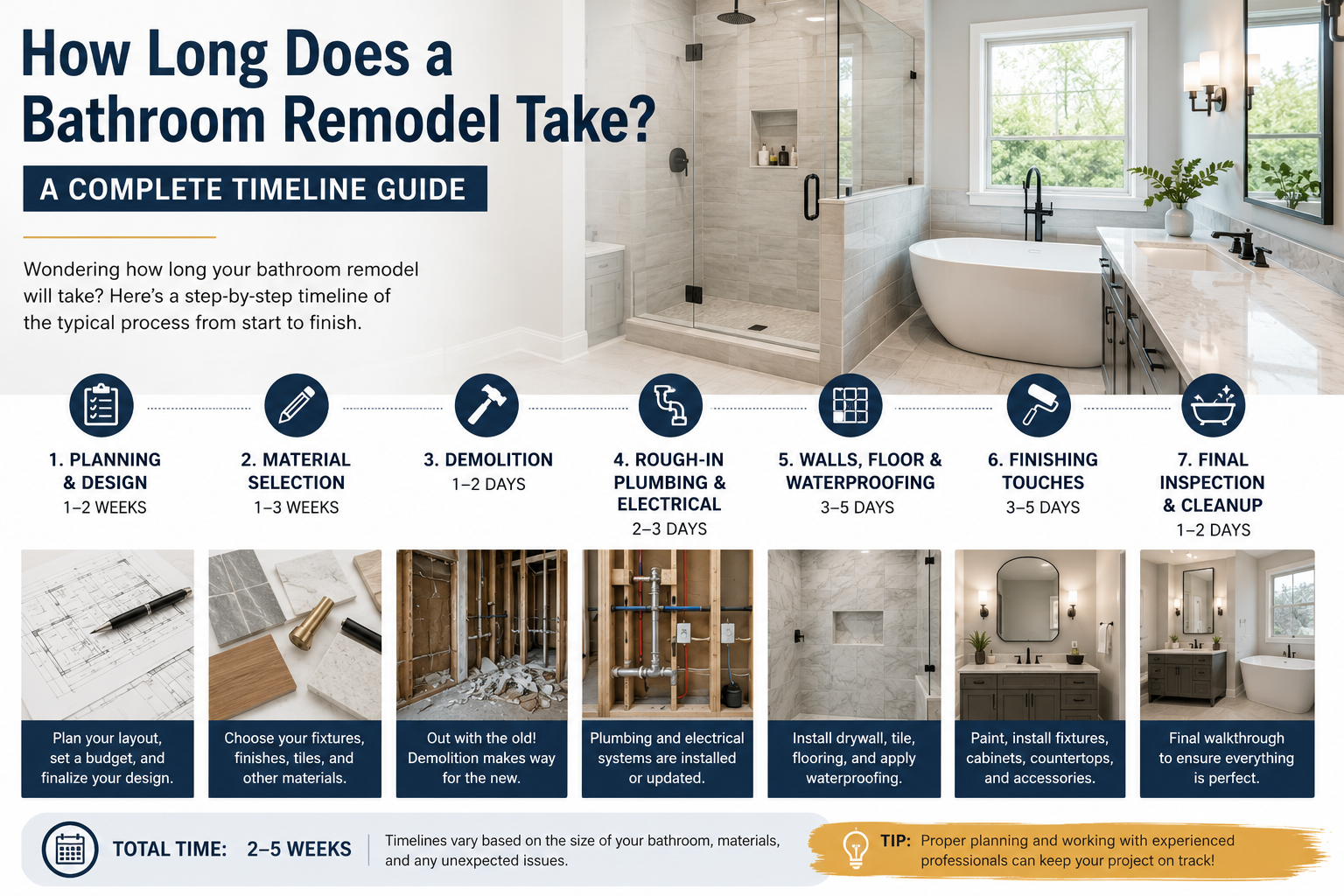
A permit for remodeling bathroom depends on the type of renovation you’re planning. Cosmetic updates often don’t require permits, while plumbing, electrical, and structural changes usually do. Understanding permit requirements before starting your bathroom remodel helps ensure code compliance, avoids delays, and protects your investment.
Do You Need a Permit for Remodeling Your Bathroom?
In most cases, you need a permit if your bathroom remodel changes plumbing, electrical wiring, ventilation, or structural components. These permits ensure the work complies with local building codes and safety standards. Simple cosmetic improvements, however, can often be completed without approval.
Even if your remodel seems minor, permit requirements can vary depending on local regulations. Checking with your local building department before work begins is the safest approach. If you’re planning a full Bathroom Remodeling project, an experienced contractor can also help determine which permits and inspections may be required.
Bathroom Remodeling Projects That Usually Require a Permit
Bathroom remodeling projects that modify your home’s plumbing system almost always require a permit. This includes moving a toilet or sink, installing a new shower or bathtub in a different location, replacing water supply lines, or altering drain pipes. Because these changes affect how water flows through your home, inspections help verify the work is safe and code-compliant.
Electrical upgrades are another common reason permits are required. Installing new wiring, adding outlets, upgrading lighting, or wiring an exhaust fan must meet electrical code requirements, especially in moisture-prone areas like bathrooms. Proper permitting helps reduce the risk of electrical hazards and ensures safety features such as GFCI protection are installed where required.
Structural changes typically require the highest level of review. Removing walls, expanding the bathroom, modifying floor framing, or changing window and door openings can affect your home’s structural integrity. Obtaining the proper permits before construction begins helps prevent costly corrections and ensures the renovation meets current building standards.
Bathroom Updates That Typically Do Not Require a Permit
Many bathroom improvements are considered cosmetic and usually don’t require a permit because they don’t alter plumbing, electrical, or structural systems. Projects such as painting walls, replacing mirrors, installing new flooring, updating cabinet hardware, or replacing a vanity in the same location are commonly completed without government approval.
Although these upgrades are generally straightforward, it’s still worth confirming local requirements before starting your project. Small remodeling jobs can sometimes expand into larger renovations that involve plumbing or electrical changes. Planning ahead helps keep your bathroom remodel on schedule and avoids unnecessary interruptions.
Why Building Permits Matter
Building permits protect both homeowners and their investment by ensuring remodeling work meets current safety and construction codes. They also provide documentation that the renovation was inspected, which can be valuable when selling your home or filing certain insurance claims in the future.
Skipping required permits may lead to fines, construction delays, or expensive repairs if the work doesn’t meet code. Many homeowners rely on professional Bathroom Remodeling and Home Remodeling services because experienced contractors understand local permit requirements, coordinate inspections, and help complete renovations correctly the first time.
How the Bathroom Remodeling Permit Process Works
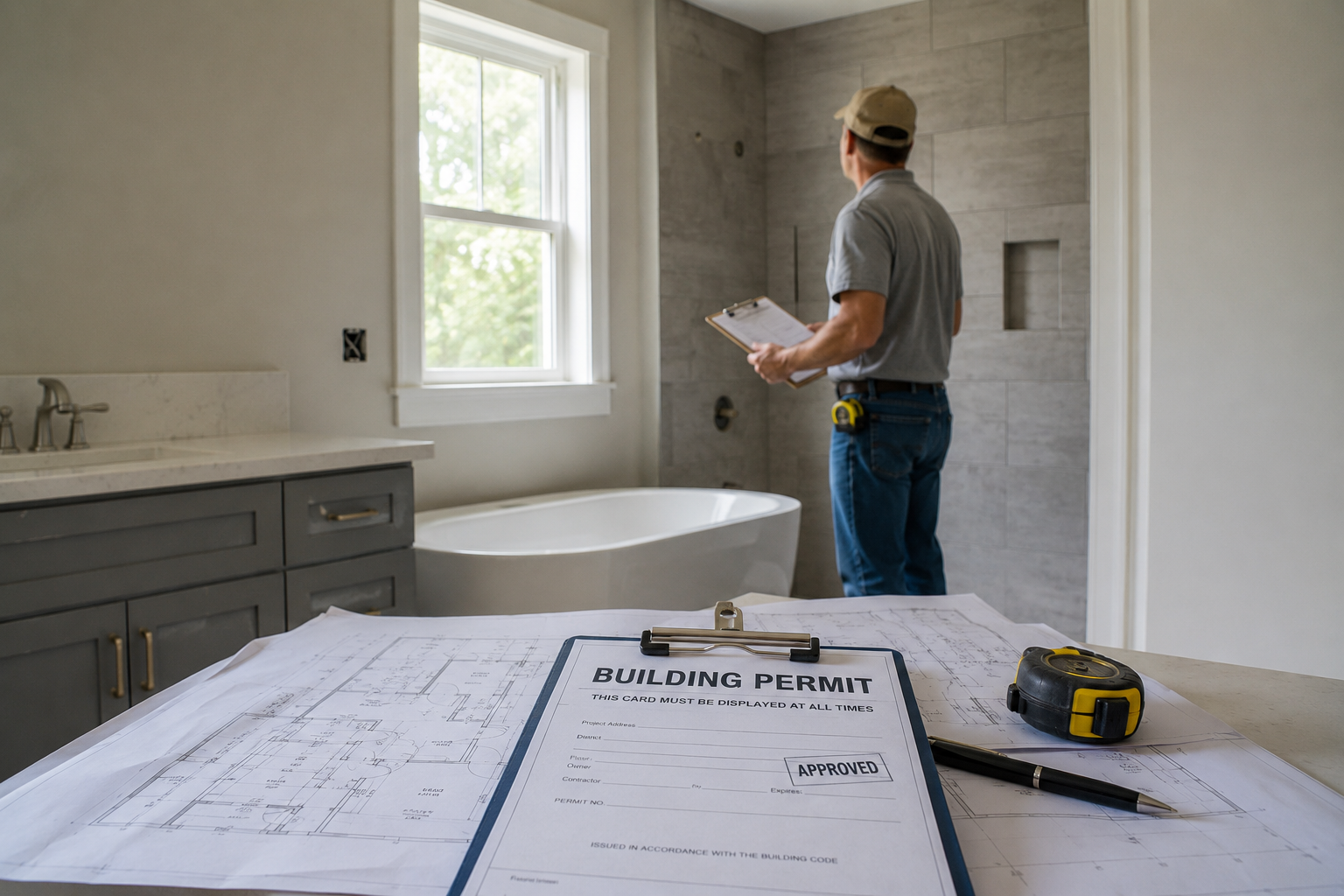
The permit process is usually straightforward, although the exact steps vary by location. Before construction begins, you’ll typically submit information about the planned remodel, including any plumbing, electrical, or structural changes. Once the plans are reviewed and approved, the permit is issued, allowing work to begin legally.
During the remodel, inspections may be required at different stages to verify that the work meets current building codes. These inspections help identify potential issues before walls, flooring, or fixtures are finished, reducing the chance of expensive repairs later. Working with a professional Bathroom Remodeling contractor can simplify this process because they are familiar with permit applications and inspection schedules.
What Happens If You Remodel Without a Permit?
Completing a bathroom remodel without a required permit can create problems long after the project is finished. If the unpermitted work is discovered, you may face fines, stop-work orders, or be required to remove completed work so inspectors can verify that it meets code.
Unpermitted renovations can also affect future home sales and insurance claims. Buyers often ask whether remodeling projects were properly permitted, and insurance companies may review code compliance when handling claims related to water damage or electrical issues. Taking care of permits from the beginning is usually far less expensive than correcting problems later.
Do DIY Bathroom Remodels Need Permits?
Many homeowners assume permits only apply when hiring a contractor, but that’s not always true. If you’re completing plumbing, electrical, or structural work yourself, you may still be responsible for obtaining the required permits and scheduling inspections.
DIY projects can save money on labor, but they must still comply with local building codes. If you’re unsure whether your renovation requires approval, consulting a remodeling professional before starting can help you avoid costly mistakes and keep the project moving smoothly.
How to Find Out If Your Bathroom Remodel Needs a Permit
The easiest way to determine whether your bathroom remodel requires a permit is to contact your local building department before construction begins. They can explain which types of work require approval and whether inspections will be necessary during the project.
Many homeowners also discuss permit requirements with a trusted Home Remodeling or Bathroom Remodeling contractor during the planning stage. An experienced professional can identify permit-related work early, coordinate inspections, and help ensure the renovation complies with local building regulations from start to finish.
conclusion
The answer to do I need a permit for remodeling my bathroom depends on the type of renovation you’re planning. Cosmetic improvements are often exempt, while plumbing, electrical, and structural modifications usually require permits to meet safety and building code requirements.
Planning ahead and verifying permit requirements before demolition begins can help prevent delays, unexpected expenses, and future legal or insurance issues. Whether you’re updating a small guest bathroom or completing a full renovation, following the proper permitting process helps ensure your investment is safe, compliant, and built to last.
FAQs
1. Do I need a permit for a small bathroom remodel?
Not always. Cosmetic updates usually don’t require a permit, but plumbing, electrical, or structural changes often do.
2. Do I need a permit to replace a bathtub with a shower?
If the plumbing is relocated or modified, a permit is typically required. Simple replacements in the same location may not need one.
3. Can I remodel my bathroom without a permit?
You can complete cosmetic improvements without a permit in many cases, but skipping required permits can lead to fines and inspection issues.
4. Does replacing bathroom tile require a permit?
Replacing tile alone usually doesn’t require a permit unless it involves waterproofing, structural repairs, or plumbing modifications.
5. Who is responsible for obtaining the permit?
If you hire a licensed contractor, they often handle the permit process. Homeowners completing DIY projects may need to apply themselves.