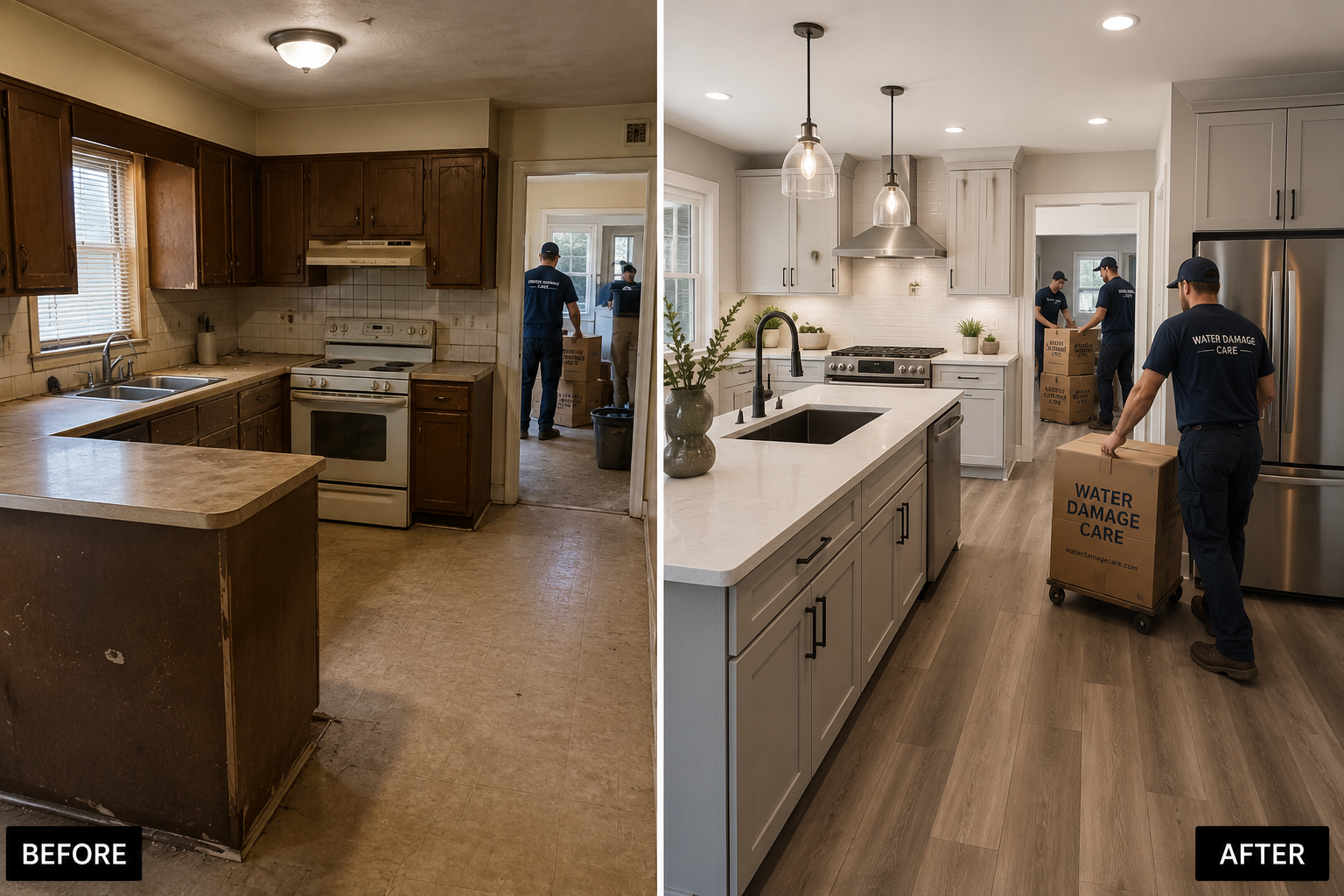
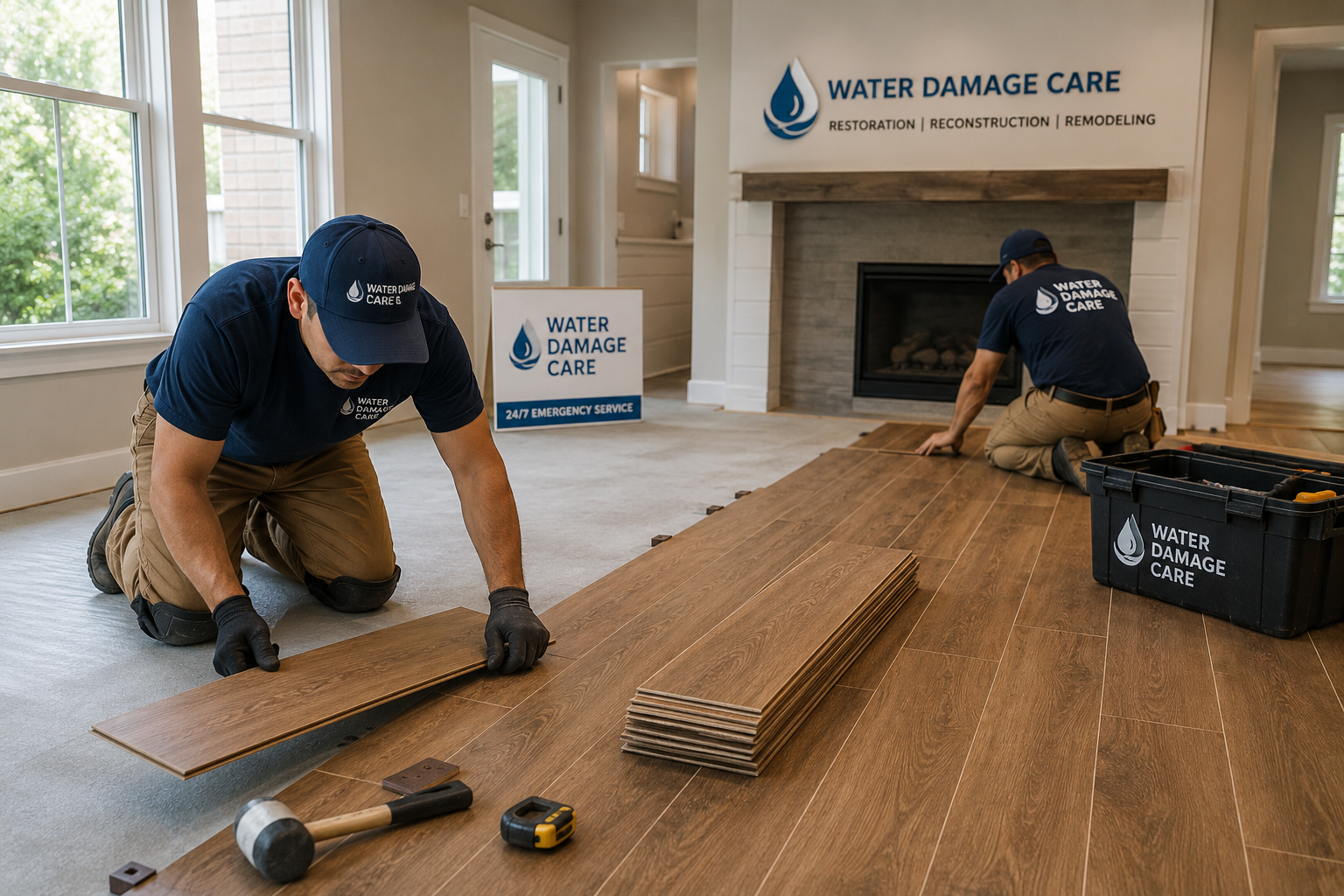
Professional flooring installation usually takes 1 to 5 days, depending on the flooring material, the size of the space, and the condition of the subfloor. While carpet, laminate, and luxury vinyl plank (LVP) can often be installed within a day or two, hardwood and tile flooring typically require additional time for preparation, installation, and finishing. Hiring experienced professionals helps ensure the work is completed efficiently without sacrificing quality.
Every flooring project is different. Factors such as room layout, furniture removal, existing flooring, moisture levels, and subfloor condition all influence the installation schedule. Understanding these variables helps homeowners plan their project with confidence and avoid unnecessary delays.
What Determines the Time Needed for Flooring Installation?
There is no single timeline that applies to every flooring project. A small guest bedroom with laminate flooring may be completed in just one day, while installing hardwood throughout an entire home can take several days. Before work begins, professional installers evaluate the flooring material, the condition of the existing floor, and any preparation work required to create an accurate schedule.
The focus is not simply on finishing the project quickly but on delivering a floor that performs well for years. Careful planning, proper installation techniques, and attention to detail help prevent common issues such as uneven surfaces, gaps, or premature wear.
Average Installation Times by Flooring Type
Different flooring materials require different installation methods, which directly affects the overall timeline.
| Flooring Type | Average Installation Time |
|---|---|
| Carpet | About 1 day |
| Luxury Vinyl Plank (LVP) | 1–2 days |
| Laminate Flooring | 1–2 days |
| Engineered Hardwood | 2–4 days |
| Solid Hardwood | 3–5 days |
| Ceramic or Porcelain Tile | 3–7 days |
Why Some Flooring Projects Take Longer
Even when two homes use the same flooring material, installation times can vary. Larger spaces require more cutting and fitting, while complex room layouts, custom patterns, or staircases add additional labor. The condition of the home also plays an important role, especially if repairs are needed before installation begins.
Factors That Can Affect Your Flooring Installation Timeline
Several factors influence how quickly a professional installer can complete the project. Identifying these factors early helps reduce delays and keeps the installation process running smoothly.
Flooring Material
Each flooring type has its own installation process. Floating floors like laminate and LVP are generally quicker to install because they require fewer preparation steps. Hardwood flooring often involves additional fastening, sanding, or finishing, while tile installation includes setting, grouting, and curing time.
Room Size and Layout
The size of the installation area has a direct impact on the timeline. Larger rooms naturally require more labor, while spaces with multiple corners, built-in cabinets, or unusual layouts demand more precise measurements and cutting.
Existing Flooring Removal
Old flooring must often be removed before new materials can be installed. Carpet is usually the quickest to remove, whereas tile and hardwood can require significantly more time because of adhesives, nails, or damaged underlayment.
Subfloor Preparation
A stable, clean, and level subfloor is essential for a successful flooring installation. If moisture damage, uneven surfaces, or structural problems are discovered, they should be repaired before installation begins. In some cases, homeowners may also need reconstruction and remodeling services to restore the affected area and ensure the new flooring has a strong, long-lasting foundation.
Acclimation and Drying Time
Certain flooring materials require additional time before or after installation. Hardwood flooring often needs to acclimate to indoor temperature and humidity, while tile and glue-down flooring require curing time before they can safely handle regular foot traffic.
Is Professional Flooring Installation Faster Than DIY?
Many homeowners consider installing flooring themselves, but professional installation is typically much faster and produces more reliable results. Experienced installers use specialized equipment and proven techniques to complete projects efficiently while meeting manufacturer guidelines.
DIY projects often take longer because homeowners must learn the installation process, prepare the subfloor, and correct mistakes along the way. Choosing professional installation can reduce delays, improve durability, and help protect the flooring manufacturer’s warranty.
Many homeowners also choose to install new flooring while completing reconstruction and remodeling projects, allowing multiple home improvements to be finished together with less disruption.
What to Expect During the Professional Flooring Installation Process
Knowing what happens during a flooring installation can help homeowners prepare for the project and understand why some installations take longer than others. Professional installers follow a step-by-step process to ensure the flooring is installed correctly, safely, and according to the manufacturer’s recommendations.
Initial Inspection and Measurements
Every project begins with an inspection of the installation area. Installers measure the space, evaluate the existing flooring, and inspect the subfloor for moisture, cracks, or uneven surfaces. This assessment helps determine the scope of work and identifies any issues that could affect the installation timeline.
Removing the Existing Flooring
If old flooring needs to be removed, this stage can add several hours or even a full day to the project. Carpet is generally the quickest to remove, while tile and hardwood often require more labor because of adhesives, nails, or damaged underlayment. Removing the old flooring carefully also helps protect the subfloor beneath it.
Preparing the Subfloor
A properly prepared subfloor is one of the most important parts of a successful flooring installation. Installers clean the surface, repair minor imperfections, and level uneven areas to create a stable base for the new flooring. If extensive damage is discovered, homeowners may benefit from reconstruction and remodeling services before installation continues.
Installing the New Flooring
Once the subfloor is ready, the new flooring is installed using techniques that match the selected material. Floating floors such as laminate and luxury vinyl plank are typically installed more quickly, while hardwood and tile require greater precision and additional finishing steps. Professional installers also leave proper expansion gaps where needed to help prevent future movement.
Final Inspection and Cleanup
After installation is complete, the flooring is inspected to ensure it meets quality standards. Installers check for proper alignment, secure seams, smooth transitions, and a clean finish before removing debris and completing the project. This final review helps ensure the flooring is ready for long-term performance.
How to Prepare Your Home Before Flooring Installation
Preparing your home before the installation team arrives can help the project stay on schedule and reduce unnecessary interruptions. A little preparation also allows installers to work more efficiently from the moment they begin.
- Remove furniture, decorations, and fragile items from the installation area.
- Provide clear access to entryways and workspaces.
- Keep children and pets away from the work area for safety.
- Ask your contractor about when you can walk on the new flooring or move furniture back into the room.
Taking these simple steps helps create a smoother installation experience and minimizes the risk of delays.
Common Reasons Flooring Installation May Take Longer
Although professional installers work efficiently, unexpected conditions can sometimes extend the project timeline. Most delays occur because hidden issues are discovered after work begins rather than because of the installation itself.
Some of the most common causes include:
- Hidden moisture or water damage beneath the flooring.
- Uneven or damaged subfloors that require repairs.
- Custom flooring patterns or intricate layouts.
- Waiting for adhesives, grout, or finishes to cure.
- Delays in material delivery or special-order products.
Addressing these issues properly may add time to the project, but it helps ensure the finished floor remains durable and performs well for years.
Frequently Asked Questions
Can professional flooring installation be completed in one day?
Yes. Small rooms with carpet, laminate, or luxury vinyl plank can often be completed in a single day, while larger or more complex projects typically require additional time.
Which flooring type installs the fastest?
Carpet, laminate, and luxury vinyl plank are generally the fastest flooring materials to install because they require less preparation and little or no curing time.
How soon can I walk on newly installed flooring?
It depends on the flooring type. Floating floors can often be walked on immediately or within a few hours, while tile and glue-down flooring may require 24 to 72 hours of curing time.
Does removing old flooring increase the installation time?
Yes. Removing existing flooring, cleaning adhesive residue, and preparing the subfloor can significantly increase the overall project timeline.
Conclusion
Professional flooring installation typically takes 1 to 5 days, but the exact timeline depends on the flooring material, project size, and condition of the subfloor. Proper preparation, skilled installation, and careful finishing all contribute to a high-quality result that lasts for years. By understanding the installation process and planning ahead, homeowners can set realistic expectations and enjoy a smoother, more efficient flooring project.
References
- National Wood Flooring Association (NWFA): https://nwfa.org/
- Floor Covering Installation Contractors Association (FCICA): https://www.fcica.com/
- Tile Council of North America (TCNA): https://www.tcnatile.com/
- National Institute of Building Sciences (NIBS): https://www.nibs.org/
- U.S. Environmental Protection Agency (EPA) – Indoor Air Quality & Flooring: https://www.epa.gov/indoor-air-quality-iaq