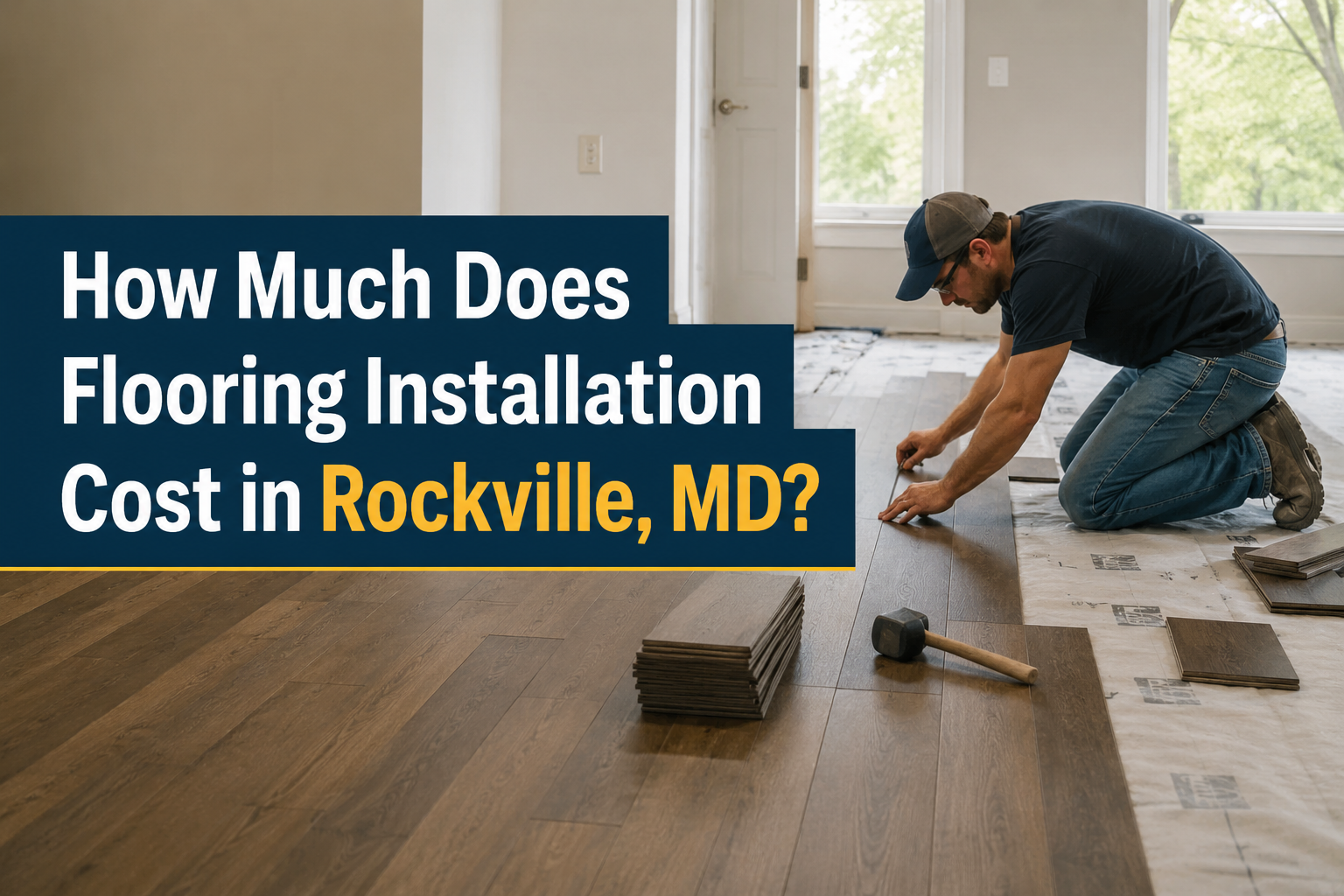
How much does flooring installation cost in Rockville, MD? Flooring installation in Rockville, MD, typically costs between $4 and $15 per square foot, depending on the flooring material, labor rates, room size, and subfloor condition. Premium materials like hardwood and tile cost more, while laminate and luxury vinyl plank are generally more budget-friendly.
Average Flooring Installation Cost in Rockville, MD
The cost of flooring installation in Rockville, MD, depends on several factors, including the type of flooring, size of the project, labor requirements, and the condition of the existing floor. On average, homeowners can expect to pay around $4 to $15 per square foot for professional flooring installation, including both materials and labor.
For a standard room, the total cost can vary significantly depending on the flooring material selected. A simple laminate or luxury vinyl installation may be more budget-friendly, while hardwood, tile, or specialty flooring options usually require a higher investment because of material costs and more detailed installation work.
Several factors can influence your final flooring installation estimate, including:
- Flooring material and quality
- Total square footage
- Labor complexity
- Removal of existing flooring
- Subfloor preparation requirements
- Finishing details such as trim and baseboards
What Factors Affect Flooring Installation Costs?
Every flooring project is different, which is why installation prices can vary from one home to another. A contractor will typically evaluate the room condition, flooring type, and installation requirements before providing an accurate estimate.
The biggest cost differences usually come from the material selected, the amount of preparation needed, and the complexity of the installation process.
Flooring Material
The type of flooring you choose has one of the biggest impacts on the overall project cost. Each material has different pricing, durability, maintenance needs, and installation requirements.
For example, luxury vinyl plank (LVP) and laminate flooring are popular choices for homeowners looking for durability at a lower price point. Hardwood flooring and natural stone tile typically cost more because of material quality, installation techniques, and finishing requirements.
Common flooring options include:
- Hardwood flooring for a classic and long-lasting appearance
- Luxury vinyl plank for moisture resistance and easy maintenance
- Laminate flooring for affordable style options
- Ceramic or porcelain tile for bathrooms, kitchens, and high-moisture areas
- Carpet for bedrooms and comfortable living spaces
The best flooring choice depends on your budget, lifestyle, room usage, and long-term goals for your home.
Room Size and Layout
The size and design of a room also affect flooring installation costs. Larger areas require more materials and labor, but smaller or complicated spaces may require additional cutting and detailed work that increases installation time.
Rooms with unusual layouts, multiple corners, closets, stairs, or transitions between different flooring types often require more precision during installation.
Before installation begins, professionals usually measure:
- Total square footage
- Room shape and layout
- Number of transitions between flooring types
- Areas requiring additional finishing work
Accurate measurements help prevent material shortages and unexpected expenses during the project.
Condition of the Existing Floor
The condition of your current flooring and subfloor can significantly affect installation costs. If the existing surface is damaged, uneven, or affected by moisture, additional preparation may be necessary before installing new flooring.
A properly prepared surface helps prevent problems such as uneven flooring, movement, squeaking, or premature damage after installation.
Common preparation work may include:
- Removing old flooring materials
- Repairing damaged subfloors
- Leveling uneven surfaces
- Installing underlayment or moisture barriers
- Addressing hidden structural issues
If major damage is discovered beneath the flooring, additional Reconstruction and Remodeling may be required to restore the area before new flooring can be installed safely.
Flooring Installation Cost by Material
Choosing the right flooring material is one of the most important decisions when planning your project. Each option offers different benefits in terms of cost, durability, appearance, and maintenance requirements.
| Flooring Type | Average Installed Cost | Durability | Best For |
|---|---|---|---|
| Hardwood | Higher cost option | Long-lasting | Living rooms, dining areas, premium upgrades |
| Engineered Hardwood | Moderate to high | Durable and stable | Homes needing natural wood appearance |
| Luxury Vinyl Plank (LVP) | Budget-friendly to moderate | Water-resistant and durable | Kitchens, basements, busy areas |
| Laminate | Affordable | Good durability | Budget-conscious renovations |
| Ceramic Tile | Moderate to high | Extremely durable | Bathrooms and kitchens |
| Porcelain Tile | Higher cost | Very durable | High-traffic and moisture areas |
| Carpet | Lower to moderate | Comfortable | Bedrooms and living spaces |
While material pricing is important, homeowners should also consider installation requirements, maintenance costs, and expected lifespan. A slightly higher upfront investment may provide better value over time through improved durability and fewer repairs.
Hidden Costs Many Homeowners Don’t Expect
When planning a flooring installation project, many homeowners focus only on the cost of flooring materials and labor. However, additional expenses can appear during the preparation and finishing stages. Understanding these potential costs helps you create a more accurate budget and avoid unexpected surprises.
A professional flooring contractor will usually inspect the existing surface before installation begins. This inspection helps identify issues that may affect the final price, such as damaged subfloors, moisture problems, or the need for additional finishing work.
Common additional costs may include:
- Removing and disposing of old flooring
- Repairing damaged subfloors
- Installing underlayment or moisture barriers
- Replacing baseboards or trim
- Moving furniture before installation
- Additional preparation for uneven surfaces
Addressing these issues before installing new flooring helps ensure better performance and prevents future problems that could damage your investment.
Is Professional Flooring Installation Worth the Cost?
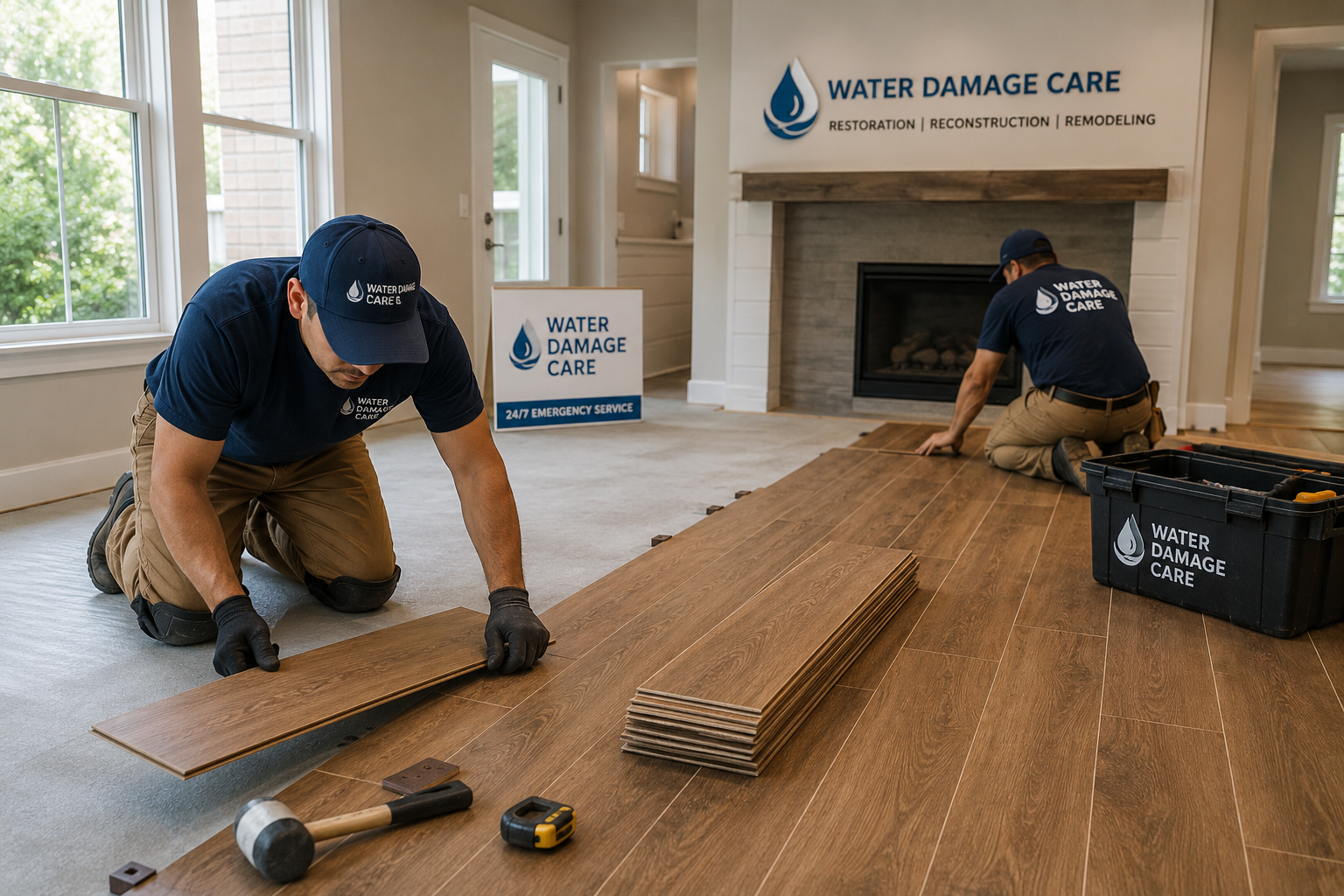
Many homeowners consider DIY flooring installation to save money, especially with materials like laminate or vinyl plank. While some flooring projects may appear simple, professional installation requires experience, proper tools, and knowledge of different installation methods.
Professional installers understand how to prepare the surface, handle material expansion, create proper transitions, and avoid common mistakes that can affect the appearance and lifespan of your flooring.
The benefits of professional flooring installation include:
- Better installation quality and finishing details
- Proper handling of complex layouts
- Reduced risk of material damage
- Faster project completion
- Manufacturer warranty protection
For larger projects or homes with damaged surfaces, hiring experienced professionals can help prevent costly repairs later. If flooring problems reveal deeper damage, homeowners may need Reconstruction and Remodeling services to restore the area properly before completing the flooring upgrade.
How to Save Money Without Sacrificing Quality
Reducing flooring installation costs does not always mean choosing the cheapest materials or lowest estimate. A smarter approach is to balance affordability, durability, and long-term maintenance needs.
Homeowners can control costs by comparing options carefully and planning the project before installation begins. Choosing the right flooring for each room can also prevent unnecessary replacements in the future.
Some practical ways to save include:
- Compare multiple professional estimates
- Choose durable materials that fit your lifestyle
- Install flooring in phases if needed
- Prepare the space before contractors arrive
- Select cost-effective alternatives with similar appearances
For example, luxury vinyl plank can provide the look of hardwood while offering better moisture resistance and a lower installation cost. The right material choice depends on where the flooring will be installed and how the space will be used.
Does New Flooring Increase Home Value?
New flooring can significantly improve the appearance, comfort, and overall appeal of a home. Since floors cover a large portion of the interior space, updated flooring can create a noticeable difference for both homeowners and potential buyers.
High-quality flooring improvements may increase home value by improving:
- Interior appearance and first impressions
- Functionality of living spaces
- Comfort and durability
- Buyer interest during resale
The return on investment depends on factors such as material selection, installation quality, and the overall condition of the property. Durable options like hardwood, engineered flooring, and quality luxury vinyl are often attractive choices because they combine appearance with long-term performance.
How to Get an Accurate Flooring Installation Estimate
A reliable flooring estimate should include more than just the price of materials. Professional contractors evaluate several details to determine the true cost of completing the project correctly.
During an estimate, contractors typically review:
- Room measurements and total square footage
- Existing flooring condition
- Subfloor stability
- Material selection
- Installation method
- Removal and disposal requirements
- Finishing details such as trim and transitions
A detailed estimate helps homeowners understand where their money is going and prevents unexpected costs during the project.
When comparing estimates, focus on experience, workmanship, materials, and overall value rather than selecting the lowest price alone.
conclusion
The cost of flooring installation in Rockville, MD, depends on many factors, including flooring type, room size, labor requirements, and the condition of the existing surface. While budget is important, choosing quality materials and professional installation can help ensure your flooring lasts for many years.
Before starting your project, consider your home’s needs, the purpose of each room, and any preparation work required. A properly planned flooring installation can improve your home’s comfort, appearance, and long-term value.
FAQs
How much does flooring installation cost in Rockville, MD?
Flooring installation in Rockville, MD, usually costs around $4 to $15 per square foot, depending on the material, labor, and preparation work.
What is the cheapest flooring to install?
Laminate and luxury vinyl plank are usually among the most affordable flooring options while still offering durability and style.
How long does flooring installation take?
Most flooring projects take 1–3 days, but larger homes or projects requiring subfloor repairs may take longer.
Does old flooring removal increase the cost?
Yes, removing and disposing of existing flooring can add to the total installation cost.
Is hardwood flooring more expensive than vinyl?
Yes, hardwood generally costs more than vinyl because of material quality, installation requirements, and long-term durability.
Should I repair my subfloor before installing new flooring?
Yes, damaged or uneven subfloors should be repaired to prevent future flooring problems.
Can new flooring increase my home’s value?
Quality flooring can improve your home’s appearance, comfort, and resale appeal when professionally installed.
Reference
- Home improvement and flooring project guidance:
U.S. Department of Energy – Home Improvement Resources - Flooring materials, installation guidance, and maintenance information:
- National Wood Flooring Association Flooring standards, installation guidelines, and industry resources:
- Floor Covering Institute Home improvement and flooring project guidance: