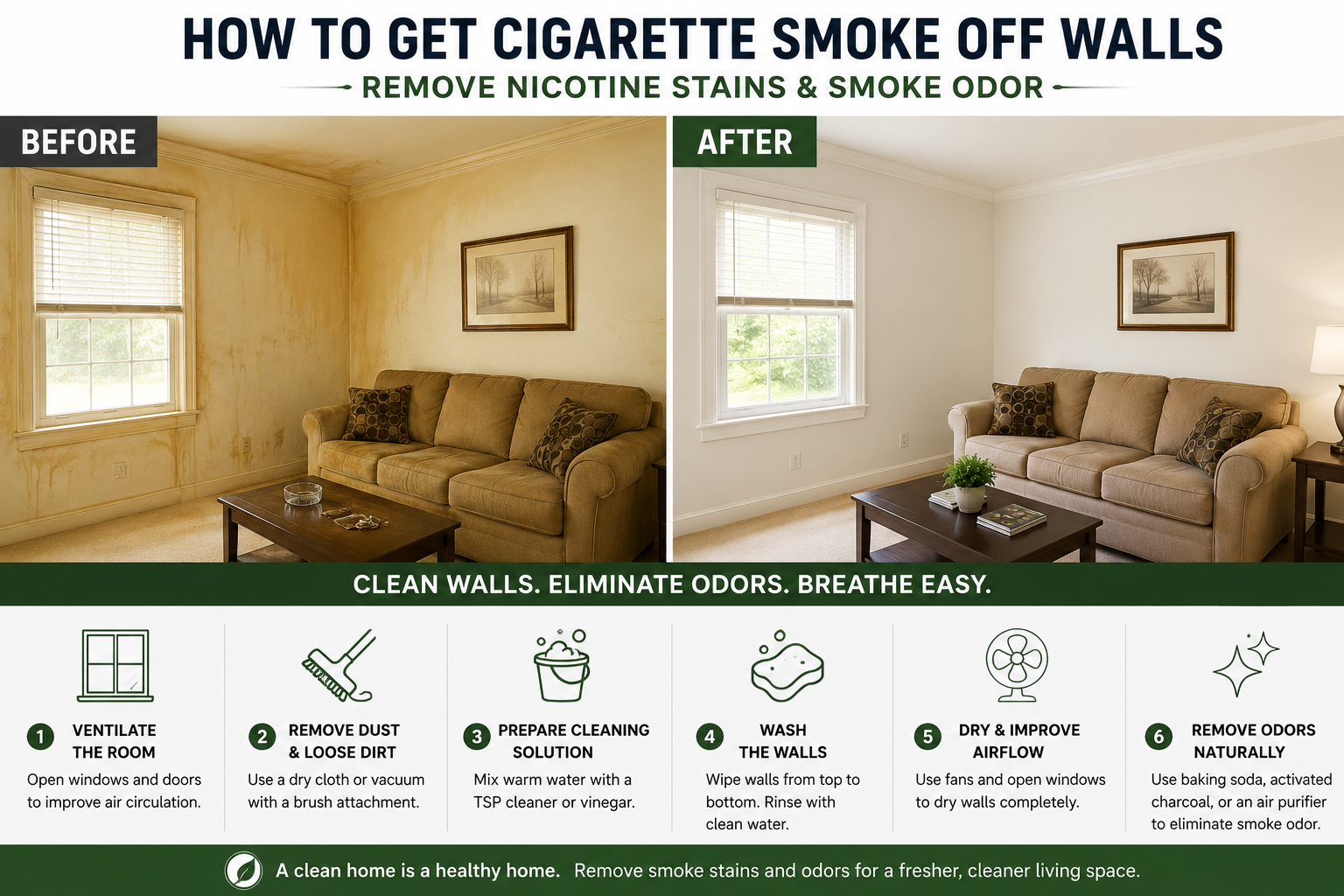
How to get cigarette smoke off walls involves using warm water, vinegar, mild degreasers, or TSP cleaners to break down nicotine and tar residue. Start by dusting the surface, gently wash the walls from bottom to top, rinse thoroughly, and allow proper ventilation to help eliminate lingering smoke odors.
Cigarette smoke can be removed from walls using warm water, vinegar, mild degreasers, or TSP cleaners to break down nicotine and tar residue. Start by dusting the surface, gently wash the walls from bottom to top, rinse thoroughly, and allow proper ventilation to help eliminate lingering smoke odors.
Why Cigarette Smoke Sticks to Walls
Cigarette smoke does more than create an unpleasant smell inside a home. Over time, smoke releases sticky particles made of nicotine, tar, oils, and chemicals that attach to walls, ceilings, and other surfaces. These particles slowly build up and create yellow or brown stains that can become difficult to remove if left untreated.
Homes with poor ventilation often experience heavier smoke buildup because the particles remain trapped indoors. The residue does not only affect painted walls. It can also collect on baseboards, ceilings, cabinets, vents, and even light fixtures. In many cases, people notice the smell first before seeing visible staining.
Another common problem is that cigarette smoke penetrates porous materials. Drywall, textured paint, wallpaper, and wood surfaces can absorb odor particles deeply over time. This is why basic surface wiping may not completely eliminate the smell.
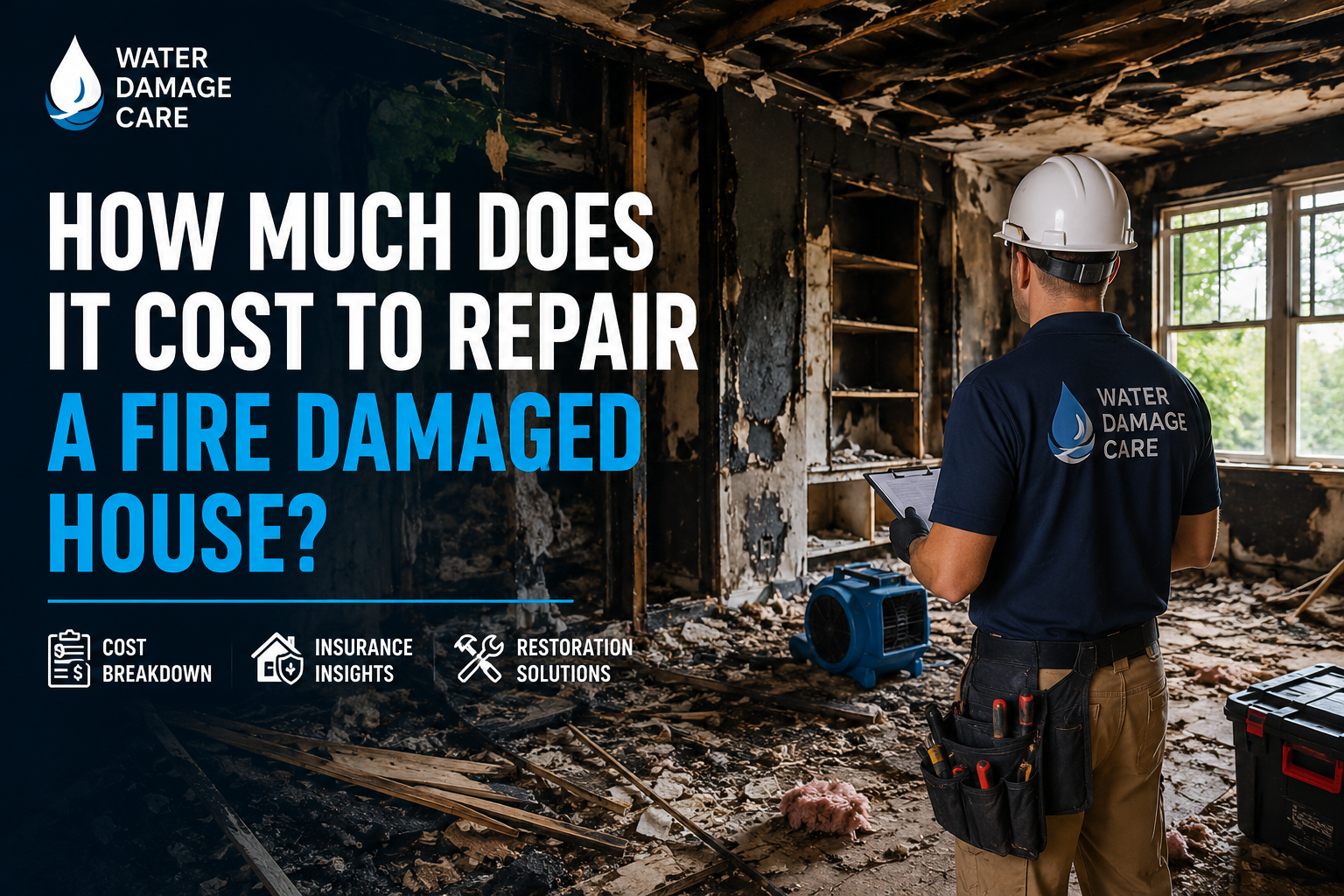
In severe situations where smoke contamination spreads throughout the property, professional Fire and Smoke Damage Mitigation services may become necessary to fully restore indoor surfaces and air quality.
What Causes Yellow Nicotine Stains
Nicotine stains develop gradually. Every time someone smokes indoors, tiny smoke particles float through the air and settle onto nearby surfaces. Heat, humidity, and poor airflow make the buildup happen faster.
The stains usually appear:
- Near ceilings
- Around vents
- Behind furniture
- Around windows
- Near light switches and door frames
At first, the discoloration may look light yellow. Over time, it can darken into brown patches or streaks. In homes with years of indoor smoking, the residue may even feel sticky or oily to the touch.
Flat paint tends to absorb smoke faster than semi-gloss or satin finishes. Textured walls can also trap more residue because smoke particles settle into small grooves and uneven surfaces.
Why Smoke Odor Lingers Indoors
One of the biggest challenges is removing the smoke smell completely. Even after cleaning visible stains, odors can remain trapped inside walls and porous materials.
Smoke odor lingers because:
- Nicotine particles penetrate drywall
- HVAC systems circulate contaminated air
- Soft materials absorb odor molecules
- Residue remains hidden in corners and ceilings
When temperatures rise or humidity increases, the smell can become stronger again. Many homeowners notice this during warm weather or after turning on heating systems.
Air circulation helps reduce odor buildup, but deep contamination often requires more detailed cleaning methods. In some cases, specialized Odor Control and Deodorization techniques are needed to remove lingering smells from indoor spaces.
Difference Between Smoke Residue and Soot
People often confuse cigarette smoke residue with soot, but they are not exactly the same.
Cigarette smoke residue mainly contains:
- Nicotine
- Tar
- Oils
- Sticky airborne particles
Soot is usually produced by:
- House fires
- Burned materials
- Heating malfunctions
- Smoke damage events
Nicotine residue often appears yellow or brown and feels greasy. Soot is usually black, powdery, and spreads more easily when touched.
Understanding the difference matters because cleaning methods can vary depending on the contamination type. Heavy soot damage may require specialized Soot and Smoke Removal procedures to prevent permanent staining and air quality problems.
Signs Your Walls Have Cigarette Smoke Buildup
Smoke residue can develop slowly, making it difficult to notice at first. Many homeowners become accustomed to the smell and staining over time. However, there are several common warning signs that indicate cigarette smoke has collected on walls and indoor surfaces.
Common Signs of Smoke Buildup
- Yellow or brown wall discoloration
- Sticky or greasy wall texture
- Persistent cigarette smell indoors
- Dark staining near vents or ceilings
- Uneven wall color behind pictures or furniture
- Discolored air vents and ceiling fans
In severe cases, cleaning one small section of the wall may reveal a dramatic color difference compared to untreated areas.
Areas Where Smoke Residue Builds Up Fast
Certain parts of a home collect smoke particles faster because warm air naturally rises and circulates through enclosed spaces.
These areas include:
- Ceilings
- Corners of rooms
- Hallways with limited airflow
- Around HVAC vents
- Kitchens
- Bathrooms with weak ventilation
Residue also builds around electronics and light fixtures because heat attracts airborne particles.
Supplies Needed to Clean Cigarette Smoke Off Walls
Before starting the cleaning process, it is important to gather the right supplies. Using proper cleaning materials helps break down nicotine residue safely without damaging paint or drywall.
Basic Cleaning Supplies
Most light smoke buildup can be cleaned using:
- Warm water
- White vinegar
- Mild dish soap
- Baking soda
- Microfiber cloths
- Non-abrasive sponges
- Rubber gloves
- Spray bottles
These materials are commonly used for mild to moderate residue and routine wall cleaning.
Heavy-Duty Cleaning Products
For stronger staining, homeowners may need:
- TSP cleaner (trisodium phosphate)
- Degreasing wall cleaners
- Odor-neutralizing products
- HEPA air purifiers
Strong cleaning agents should always be used carefully because some products can damage paint finishes if applied incorrectly.
Safety Tips Before Cleaning
Before washing smoke-stained walls:
- Open windows for ventilation
- Wear gloves to protect skin
- Avoid mixing bleach with ammonia or vinegar
- Test cleaners on a small hidden area first
- Protect floors and furniture with towels or plastic coverings
Preparing properly helps prevent accidental paint damage while making the cleaning process safer and more effective.
Step-by-Step: How to Get Cigarette Smoke Off Walls
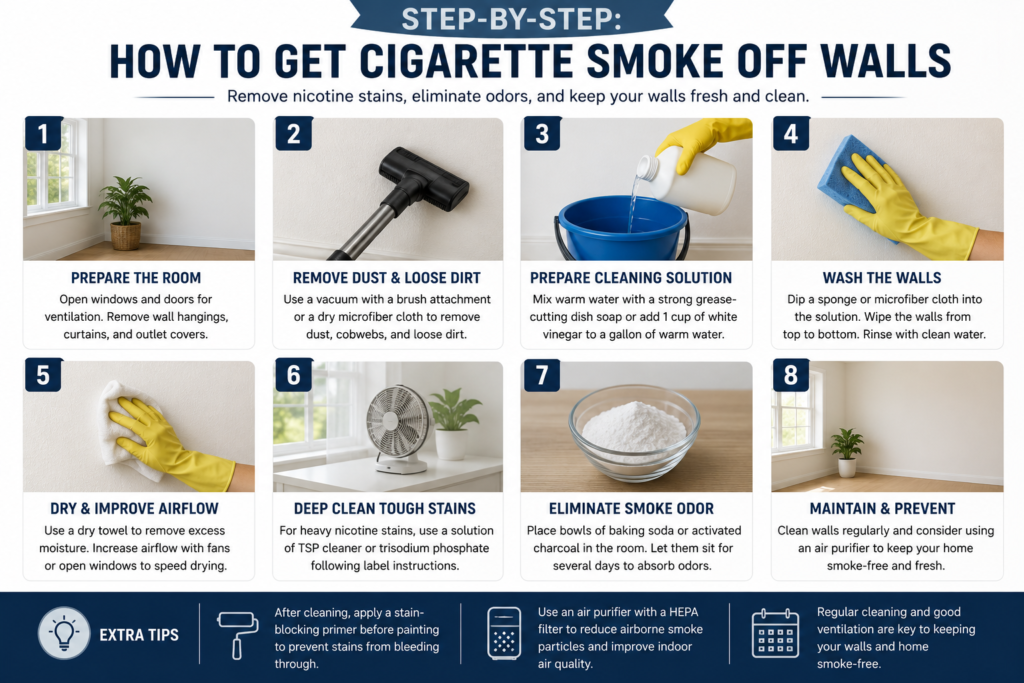
Cleaning cigarette smoke from walls requires patience because nicotine and tar residue can spread easily if cleaned incorrectly. Using the right process helps remove stains while reducing lingering odors throughout the home.
Cleaning Walls With a Vinegar Solution
White vinegar is one of the most common household solutions for light smoke residue. Its acidic properties help break down nicotine buildup while neutralizing odors on painted surfaces.
To create a simple cleaning solution:
- Mix equal parts warm water and white vinegar
- Fill a spray bottle or bucket
- Use a microfiber cloth or soft sponge
Start cleaning from the bottom of the wall and move upward. This helps prevent dirty streaks from running down onto untreated areas. Gently wipe the surface without scrubbing too hard, especially on flat paint finishes.
After cleaning a section, rinse it with clean water and dry it using a towel or cloth. Repeating the process may be necessary for walls with years of smoke exposure.
For mild staining, adding a small amount of dish soap to the mixture can improve grease removal without damaging most painted surfaces.
Using Baking Soda for Smoke Odor
Baking soda can help absorb lingering cigarette smells after cleaning. Many homeowners sprinkle baking soda near walls, carpets, or furniture overnight to reduce odors naturally.
Other helpful odor-control methods include:
- Opening windows for ventilation
- Running ceiling fans
- Replacing HVAC filters
- Using activated charcoal odor absorbers
Although these methods help reduce smells, deeply contaminated walls may still hold trapped smoke particles beneath the surface.
Using TSP for Heavy Nicotine Stains
When smoke buildup becomes thick or sticky, stronger cleaning products may be needed. Trisodium phosphate, commonly called TSP, is often used to remove heavy nicotine residue from walls and ceilings.
TSP works as a powerful degreaser that breaks down tar and smoke oils more effectively than standard household cleaners.
How to Clean Walls With TSP
Before using TSP:
- Wear gloves and eye protection
- Open windows for ventilation
- Cover floors and nearby furniture
Mix the cleaner according to the manufacturer’s instructions. Dip a sponge into the solution and gently wipe small wall sections at a time.
Do not oversaturate drywall because too much moisture can damage paint or weaken the wall surface. After cleaning, rinse thoroughly with clean water to remove leftover residue.
TSP is especially useful in:
- Homes with years of indoor smoking
- Apartments with yellow ceiling stains
- Rooms with heavy odor buildup
- Areas near vents and air returns
Some surfaces may still require repainting if stains have penetrated deeply into the paint layer.
In severe situations where smoke contamination affects multiple rooms, professional Structural Cleaning services may help restore surfaces more thoroughly.
How to Rinse and Dry Walls Properly
Rinsing walls after cleaning is an important step that many people overlook. Leaving cleaning residue behind can attract dirt and sometimes create dull streaks on painted surfaces.
After washing:
- Wipe walls with a clean damp cloth
- Remove remaining cleaner residue
- Dry surfaces with towels or microfiber cloths
- Allow fresh airflow into the room
Fans and ventilation can speed up drying while helping reduce indoor humidity levels.
Avoid using excessive water because drywall absorbs moisture quickly. Overwetting walls may lead to peeling paint, soft drywall, or mold growth in hidden areas.
How to Remove Cigarette Smoke Smell From Walls
Even after visible stains disappear, smoke odors can remain trapped indoors. Cigarette smoke particles are extremely small and often settle deep into porous materials such as drywall, insulation, and textured ceilings.
Removing the smell completely may require several cleaning and deodorizing steps.
Improve Indoor Air Circulation
Fresh airflow plays a major role in reducing lingering smoke odors.
Helpful methods include:
- Opening windows regularly
- Using box fans or ceiling fans
- Running exhaust fans
- Replacing dirty HVAC filters
Air movement helps remove contaminated indoor air while preventing stale smoke smells from settling back onto surfaces.
Using Air Purifiers and Odor Neutralizers
HEPA air purifiers can capture airborne smoke particles that continue circulating throughout the home. Activated carbon filters are especially effective because they absorb odor molecules rather than simply masking smells.
Odor-neutralizing sprays may also help temporarily, but strong fragrances often cover odors instead of eliminating them completely.
When smoke odors persist despite repeated cleaning, professional Odor Control and Deodorization methods may become necessary to target deeply embedded contamination.
Common Mistakes to Avoid When Cleaning Smoke Residue
Many homeowners accidentally make smoke staining worse by using improper cleaning techniques.
Common Cleaning Mistakes
Scrubbing Too Aggressively
Hard scrubbing can damage paint finishes and spread sticky nicotine residue across larger areas.
Using Too Much Water
Oversaturating walls may damage drywall and increase the risk of mold growth behind painted surfaces.
Mixing Harsh Chemicals
Combining bleach, ammonia, or vinegar incorrectly can create dangerous fumes.
Painting Over Smoke Residue
Painting without cleaning and sealing walls first often allows stains and odors to return through the new paint layer.
Ignoring HVAC Contamination
Smoke particles inside ventilation systems can continue spreading odors even after walls are cleaned.
When Professional Smoke Cleaning May Be Necessary
DIY cleaning methods work well for light to moderate smoke buildup, but severe contamination may require professional restoration services.
Signs professional help may be needed include:
- Strong smoke odor that returns repeatedly
- Thick yellow staining on ceilings
- Smoke contamination in multiple rooms
- Sticky residue throughout the property
- Long-term indoor smoking exposure
Professionals use advanced cleaning equipment, commercial-grade deodorization systems, and deep-cleaning techniques designed for smoke-damaged environments.
In some cases, Soot and Smoke Removal specialists can help restore surfaces that standard household cleaning methods cannot fully treat.
How to Prevent Cigarette Smoke Residue in the Future
Preventing smoke buildup is easier than removing years of accumulated residue later.
Helpful prevention tips include:
- Smoking outdoors whenever possible
- Improving indoor ventilation
- Cleaning walls regularly
- Using washable paint finishes
- Replacing HVAC filters frequently
- Running air purifiers indoors
Routine cleaning and airflow management can significantly reduce nicotine buildup while helping maintain better indoor air quality over time.
FAQs
What is the best way to clean cigarette smoke off walls?
Warm water, vinegar, mild dish soap, or TSP cleaners are commonly used to remove nicotine residue and smoke stains from walls.
Can cigarette smoke permanently stain walls?
Yes, long-term smoke exposure can cause deep yellow or brown stains that may require sealing and repainting.
Does vinegar remove cigarette smell from walls?
Vinegar helps neutralize smoke odors and break down residue, especially for light to moderate contamination.
How often should smoke-stained walls be cleaned?
Walls exposed to indoor smoking should be cleaned regularly to prevent heavy nicotine buildup and lingering odors.
Can I paint over cigarette smoke residue?
Walls should be fully cleaned and sealed first, or stains and odors may bleed through the new paint.
When should I call professionals for smoke cleanup?
Professional cleaning may be necessary if strong odors, sticky residue, or heavy staining remain after DIY cleaning.
Conclusion
Learning how to get cigarette smoke off walls can help improve both the appearance and air quality of a home. Smoke residue, nicotine stains, and lingering odors often build up slowly over time, especially in poorly ventilated spaces. Using the proper cleaning methods, safe products, and ventilation techniques can make a noticeable difference in removing stains and reducing odors.
For severe smoke contamination, deeper cleaning and deodorization may sometimes be necessary to fully restore indoor surfaces. Regular maintenance and better airflow can also help prevent smoke residue from returning in the future.
References
- EPA Indoor Air Quality Guide
Information about indoor air pollutants, ventilation, and smoke contamination. - CDC Secondhand Smoke Information
Health and surface contamination information related to cigarette smoke exposure. - NIH Smoke Residue Research
Research explaining thirdhand smoke residue and indoor contamination.